Category Archives: Country Life

The Anatomy of a Bird Box

© J.N. Urbanski – Usage prohibited without consent

A base layer of dirt, then grass, then a thick wedge of insulation and finally, twigs topped off with a small, vacated wasp’s nest and a large insect exoskeleton, probably a caterpillar/butterfly. A once crowded bird box now getting repaired and cleaned out for new tenants.

Links: Food & Drink

© J.N. Urbanski

Despite wearing a watch, and having several electronic gadgets that will automatically tell me the time, I have been doing things an hour earlier since the clocks went back at the weekend. How long has it been? Only 48 hours you say? Feels like forever. Having been a city dweller for most of my life, it feels like city living forces the time on you where as country life coerces you into succumbing to nature’s rhythms (and the weather). I’ve hardly left the house in the past few weeks, but that’s about to change. Meanwhile, here are some links to past Upstate Dispatch posts to some recipes and food reviews to keep you occupied until I get back out into the Catskills.

Recipes:

Beberts Chicken Tagine

Jeanette Bronée’s Roasted Carrots & Prunes

The Bull & Garland Pub in Hobart.

Supper Club at Heather Ridge Farm in Schoharie County.

Fish & Chips in the Catskills.

The best burger in the Catskills (at the time of writing).

Oh, and by the way:

We already knew that temperatures were ten degrees warmer than last year, making fall a little disappointing, but here’s Bloomberg’s official report.

Local Elections & Proposals on the Ballot: November 7th

© J.N. Urbanski

Local elections take place next week here in Delaware County, Upstate New York, Tuesday November 7th. Here’s a list of all the offices on the ballot.

There are also three propositions, or “Proposals”, on the reverse side of the ballot that are easy to miss. It’s also difficult to find information on these proposals, even if you don’t have three jobs. Flip over the ballot and vote on these proposals which are, in brief, the following:

1. New York State should have a Constitutional Convention. This is proposed because in the NYS Constitution its required that every twenty years we should have a Constitutional Convention, so there is a public vote required.

2. A public official found guilty of a felony should be stripped of their pension (if that has a direct and actual relationship to the performance of the public officer’s existing duties).

3. Constitutional Amendment that would create a modest land bank for Catskill (and Adirondack) community health and safety projects involving roads crossing the Forest Preserve. Basically, this will allow local communities to use forest land to re-build their infrastructure, like for example, a bridge that washed away, if they can prove that the land on which the bridge was on, is not viable. Right now it takes years to get permission to re-build a bridge if the land underneath it has been washed away by flooding and the proposed land is in the forest preserve because the forest preserve is protected. The proposal proposes to make it easier for communities to rebuild with one simple amendment.

The Catskill Center supports this amendment. Read their blog post about it.

Go to the Delaware County website to read all three propositions in full.

John Burroughs Needs Our Help!

His woodshed is falling down…

The cost to rebuild Mr. Burroughs’ woodshed is $2000. John Burroughs’ Woodchuck Lodge thanks the O’Connor Foundation for a $1000 grant. Please help us match it.

Find the Woodchuck Lodge donation page here or contribute by mail to Woodchuck Lodge, Box 492, Roxbury, NY 12474

Help Mr. Burroughs rebuild. It’s the neighborly thing to do.

Winter Reading List

© J.N. Urbanski – Usage prohibited without consent

The cold snap has me scrambling for a pile of books. The winter reading list has been hastily assembled from the wish list after a visit to the library.

Agatha Christie, a good teacher for the writer of scripts or dialogue-focused narrative; Pullman, to get lost in someone else’s magical universe; Eddie Izzard, for English humor; Neil DeGrasse Tyson makes astrophysics easy and engaging; Tim Marshall makes geopolitics fun; Salman Rushdie, just because I’ve had this first edition for ten years and never read it; Ta-Nehisi Coates, because he explains it so well in such beautifully written non-fiction; John Burroughs, because that’s required reading for a board member at John Burroughs’ Woodchuck Lodge; Mark Twain, because a dip into Roughing It is as refreshing as a cool drink of local ale.

In the world of physics, you are immortal because the light (photons?) that bounced off you while you were alive will still be hurtling through the universe after you’re gone. I imagine it being a three-dimensional traveling x-ray, but I’m hoping DeGrasse Tyson will let me know. You think about these things when you’re so close to nature and you don’t think she’s watching. Walking the dog on a clear night on top of a ridge is like wading through stars.

Find more local reading at The Purple Mountain Press on Main Street in Fleischmanns. Buy local. Support your local library.

Tick Update

© J.N. Urbanski

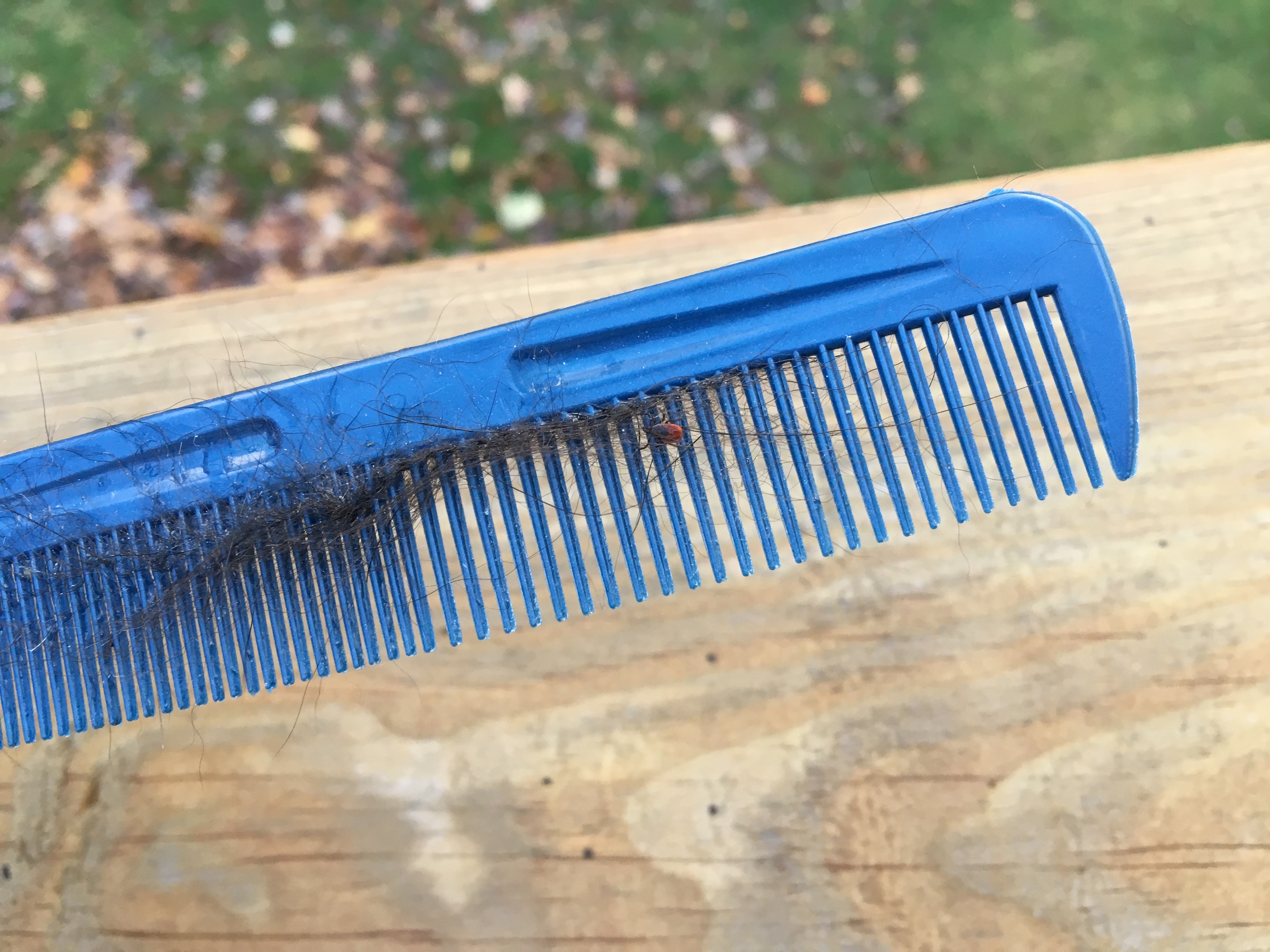
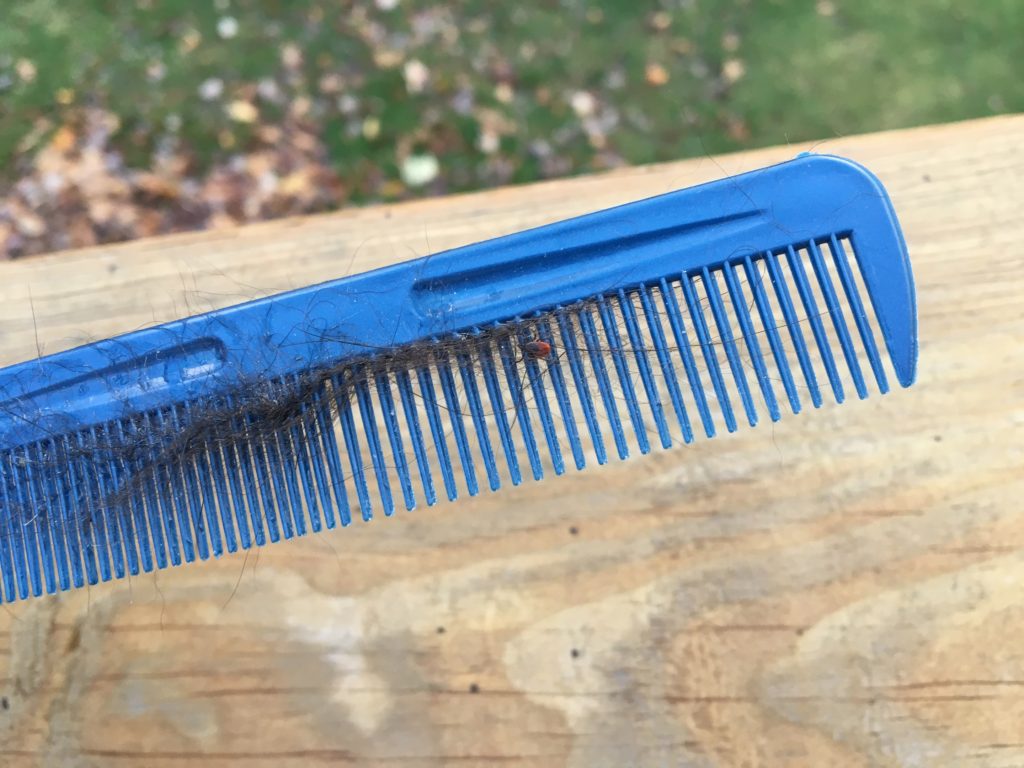
There’s a saying that goes something like this: “you see what you want to see” and what I’m seeing lately are ticks. Loads of them. I see ticks on my dog from ten paces and now hike with a comb, and remove them before they have a chance to burrow in.

Some observations: I thought that the first tick I pulled off my dog’s hair was a piece of lint, but after looking at it, I issued a shriek and wiped the bug onto the dog bed. The thing then burrowed into the dog bed and, in hindsight, I should have waited to see how long it would take it to realize the bed was not a body. Alas, I just wanted it gone.

I combed a tick off the dog today and the tick is still on the comb, wondering what happened, ten minutes later.

Here are my latest observations:

1. Ticks are easy to spot if you study them for a while. You’re looking for something no bigger than lint, but the big difference between ticks and lint is that ticks are shiny and hard. Moreover, they are always moving, so they might be the size of, or smaller than, lint, but they writhe, and as they do so, they catch the light like little, tiny pieces of polished onyx. They stand out against even black fur, but perhaps that’s because I’m obsessed with them.

2. Ticks are like velcro: very hard to flick off. Don’t flick them. You risk flicking them on yourself, or having them cling to your finger and climb up your arm without you noticing. Use a comb to drag them off. Or firmly grab them and wipe them off onto a tree. Trying to coax them onto a stick will not work.

3. Hike in light colored clothing and be vigilant about checking.

4. Always wear a hat, because once ticks get in your hair, they’re almost impossible to spot until they’re burrowed in and blowing up. Avoid having twigs brush against your neck and shoulders. If you do, be wearing a hoodie or something.

5. To check dark clothing, hold the clothing perpendicular to a light source and watch to see if the lint moves and catches the light.

5. Ticks are killed after ten minutes in the dryer on high. I’ve always used drying racks, but if it’s a choice between Lyme Disease and using more energy, I’m using the dryer. After hiking, disrobe outdoors. Throw your hiking clothes in the dryer, including – especially – the undies. Ticks love the groin “area”. Don’t EVER just air-dry your undies after laundering if you’re an avid outdoorsperson. (Why isn’t outdoorsperson a word?) Ticks can survive any washing machine.

6. Ticks loathe essential oils. Use the oil to kill ticks or repel them. A few drops of lavender oil will kill a tick. Here’s my recipe for the repellent.

Here are links to all my other posts about ticks. Tick tubes, essential oils, and more tick tubes. Get to know these little bugs before they get to know you.

Planting Garlic

© J.N. Urbanski
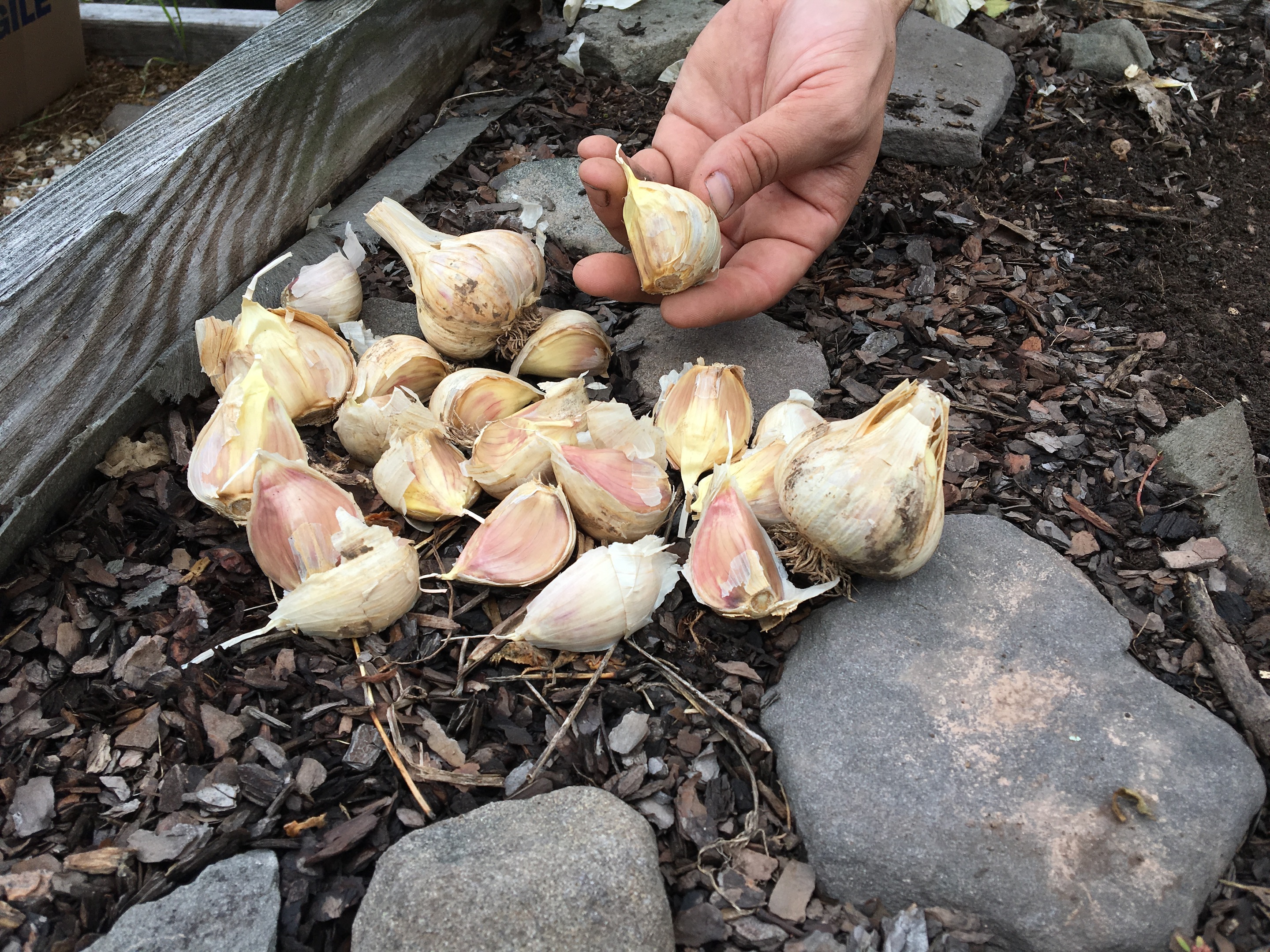
Garlic goes in about a month before the first frost of the season. One clove, planted two inches deep (with four inches between cloves) will grow into one bulb of garlic by next spring. The garlic pictured above is German hard neck garlic and the cloves are huge and juicy. The reason farmed garlic is so much bigger than wild garlic is that every year the largest cloves are planted, yielding bigger and bigger produce. Go to our Instagram feed to see footage of the planting.

Saving Seeds: Sunflowers

© J.N. Urbanski – Usage prohibited without consent

Sunflowers are astonishingly beautiful and uplifting, towering over the farm like sentry guards radiating happiness, accumulating and distributing sunshine. They’re also packed with thousands of highly nutritious, edible seeds. Once they start to droop towards the ground, you may have to compete with the birds, chipmunks, and squirrels, who climb up them in search of the seeds and break the stems. When the blooms are resting on the ground, like they’re on some floral time-out, they seeds are fair game. You can either wrap the live heads in paper to stop animals from eating them, or you can cut the heads off completely even before they’re ready to harvest.

The seed is the white pellet underneath the yellow face of the bloom (pictured above). They develop a black strip as the flower dies, eventually turning a dusky, dark grey/black (pictured below). They are even delicious like this without any cooking, and packed full of raw nutrients like iron, calcium, vitamin B-6 and high in potassium and magnesium. Continue reading

Heritage Apple Cake

© J.N. Urbanski – Usage prohibited without consent

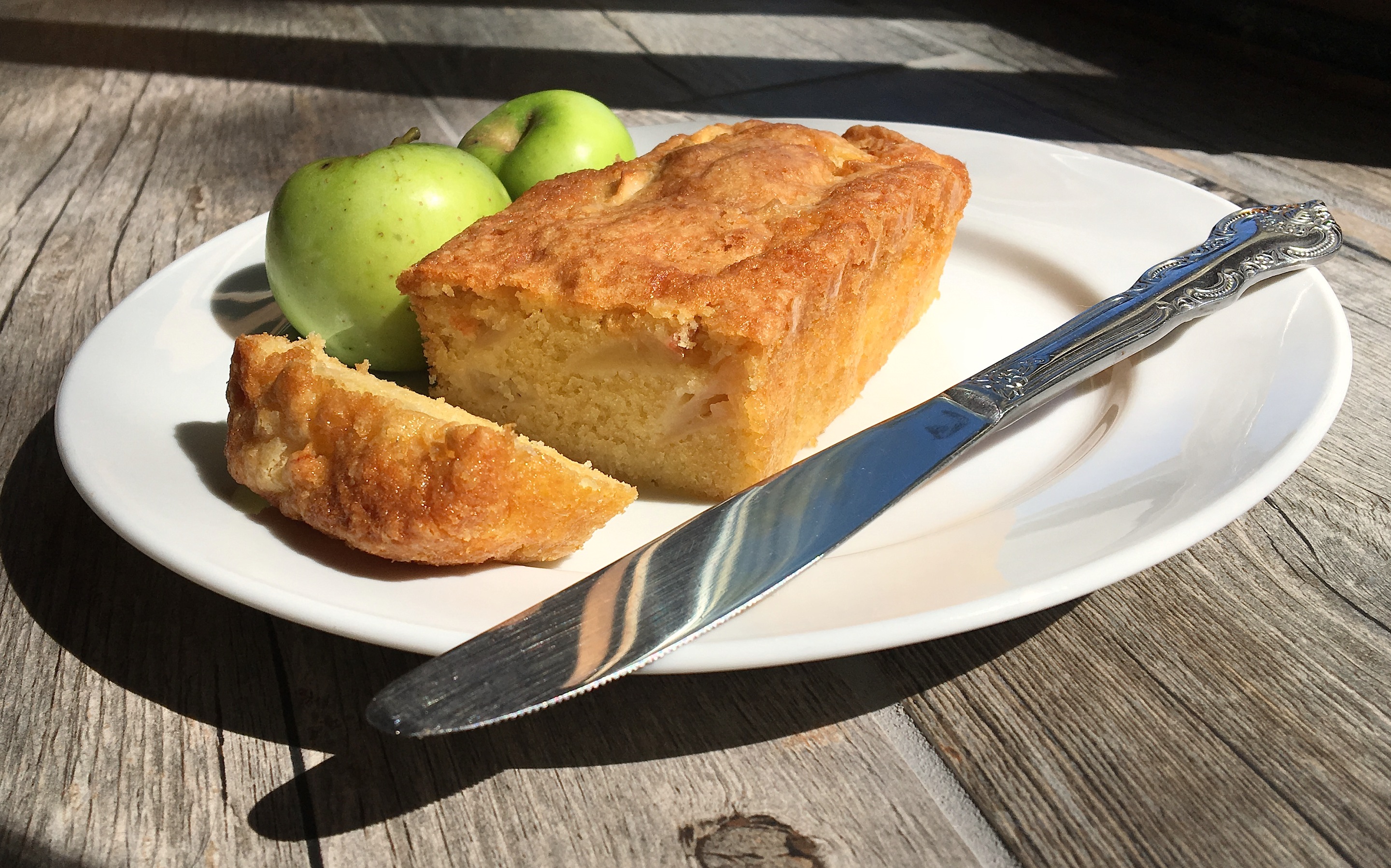
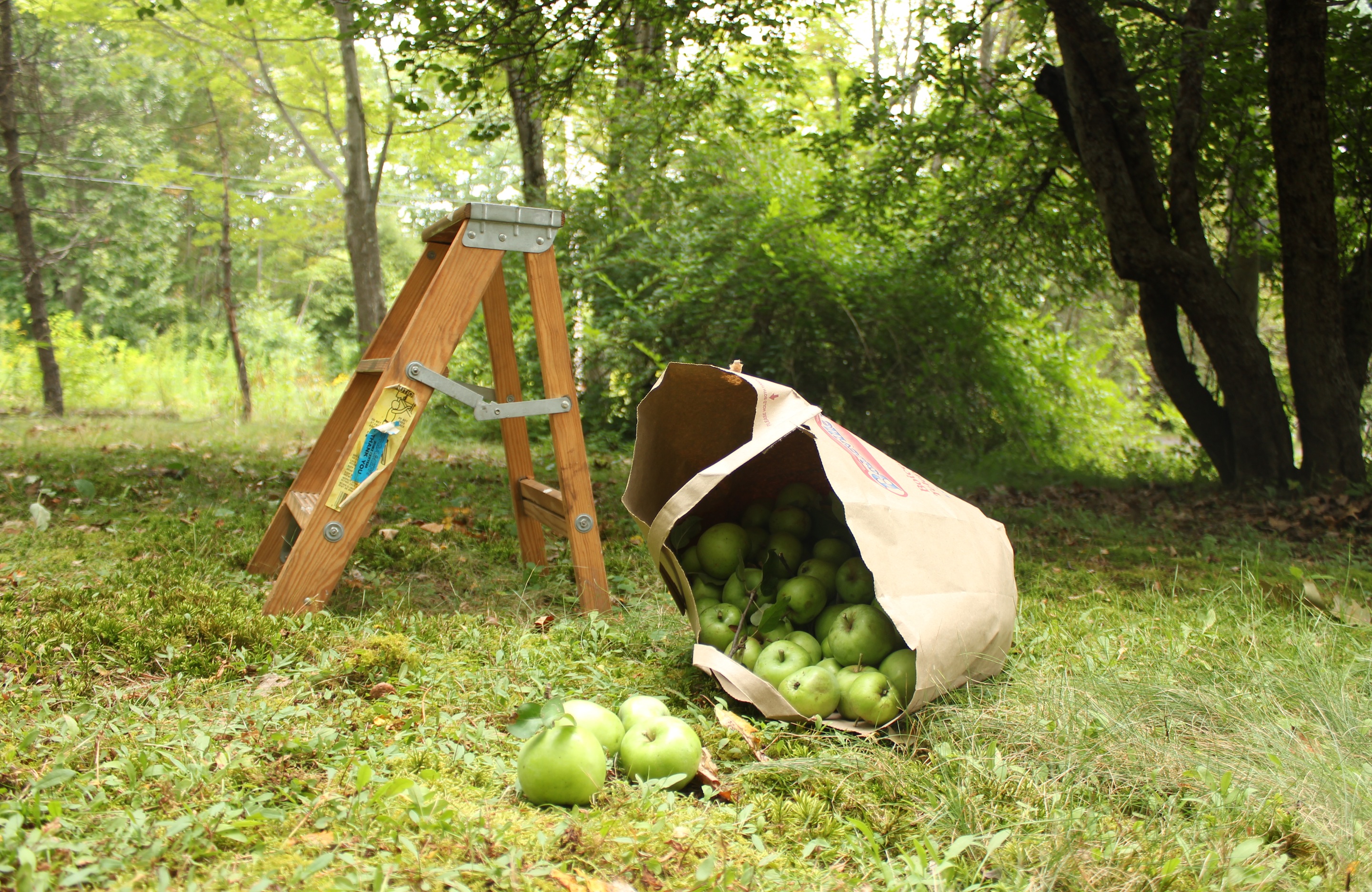
If you need something to do with all the heritage apples that are falling all over the Catskills now, here’s a recipe passed on to me by Tamara Ehlin of the Forsyth BnB in Kingston. This recipe is gorgeous because a sugary, chewy crust forms on the top of the cake and gradually softens all the way down to its fruity bottom.This cake is as wild as our apples.

However you add the fruit, it still ends up at the base of the cake. I didn’t put enough apples in the little loaf pictured above because whenever you do this recipe it will feel like you’re putting too much fruit in. The batter barely covers the apples and you have to press the mixture down before you put it in the oven. I made a larger cake by doubling the ingredients and it came out perfectly with all the fruit sunk to the bottom.

This recipe is good for soft and stone fruit too.

Fruit Cake

1 cup AP flour
1 tsp baking powder
1/2 tsp salt
4 oz butter (1 stick)
1 cup sugar
1 tsp vanilla
3/4 tsp almond extract
2 eggs
2 cups sliced fruit (a mix of tart and sweet works best, like sour cherries, plums, peaches, blueberries, or peeled apple)

Soften the butter and whip it together with the sugar, vanilla, almond extract. Add the two eggs and beat them in. Mix the whole mixture well. Sift the flour and baking powder and add it into the butter/sugar mix gradually. Mix until you have a batter. The batter will be very stiff. Once you have a smooth batter, stir in the apples and mix well. Add to a greased loaf tin and bake on 350 for about 40 minutes. (Note that cooking time could be longer or shorter depending on the depth or shape of the pan. If the pan is a flatter cake pan, cooking time will be less.)

© J.N. Urbanski Noon


Tick Tube Update

© J.N. Urbanski – Usage prohibited without consent

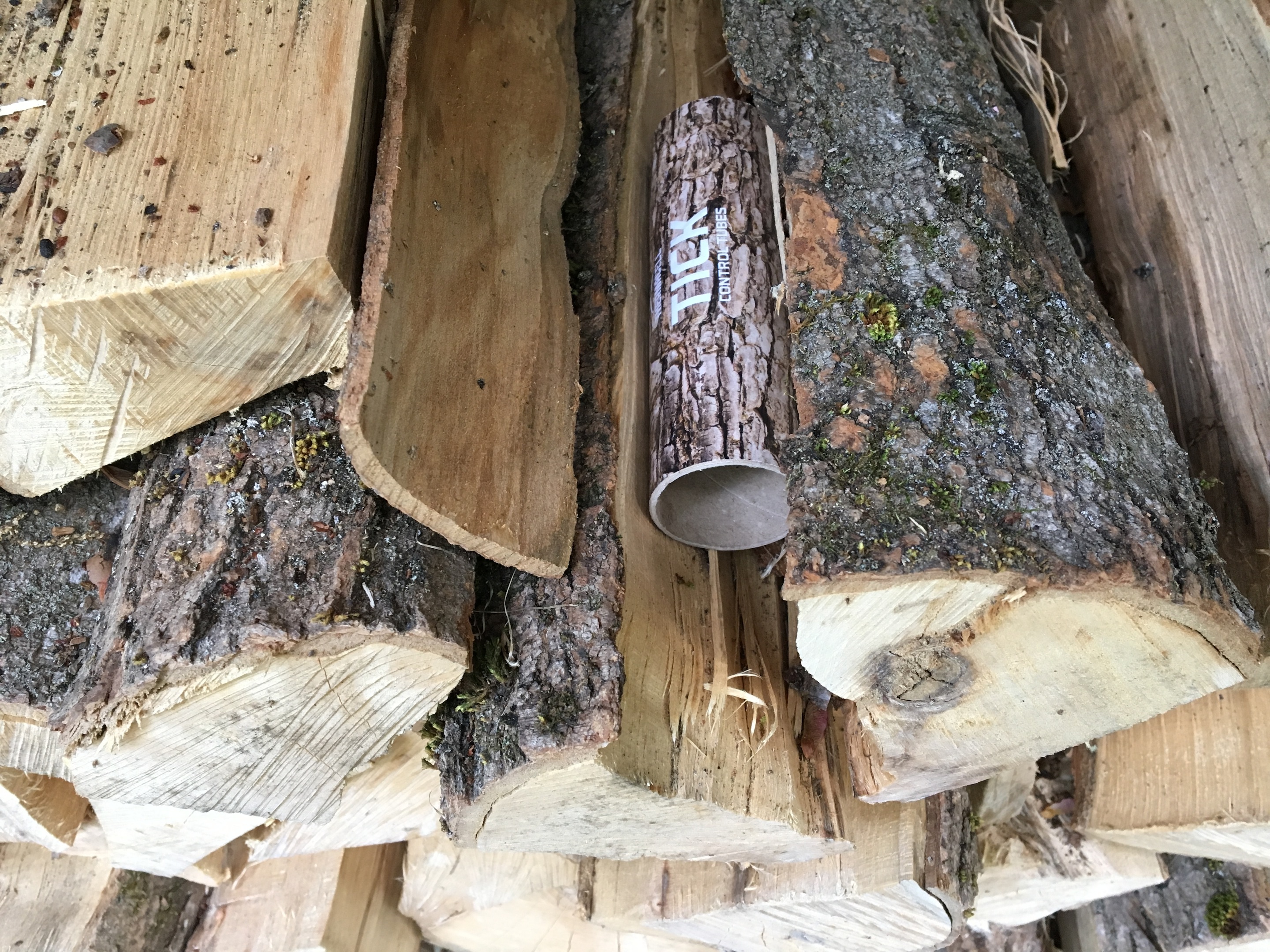
Readers have asked for an update on my experience with tick tubes, so here it is. In June, I wrote a post about how we installed “tick tubes” around our house, in the woodshed, and flower beds. Pictured above, the tubes are filled with permethrin-laced cotton wool, which mice and chipmunks take and use to make their nests. White footed mice and other small rodents living on the edge of forests are believed to be the main vector for ticks, according to most sources. The permethrin on the cotton wool kills the ticks on the rodents.

Summer is coming to a close, and we have not seen a tick anywhere, on us or the dog, since we put out the tubes. Less than half of our land is forest, but we do live on the edge of it, making our house a hotbed for tick action. Continue reading

Do It Yourself

© J.N. Urbanski – Usage prohibited without consent

One minute your making nut butter out of hazelnuts and saving seeds; the next minute you’re replacing the siding on the house. Country living is the great educator.

Hazelnut Harvest

© J.N. Urbanski – Usage prohibited without consent

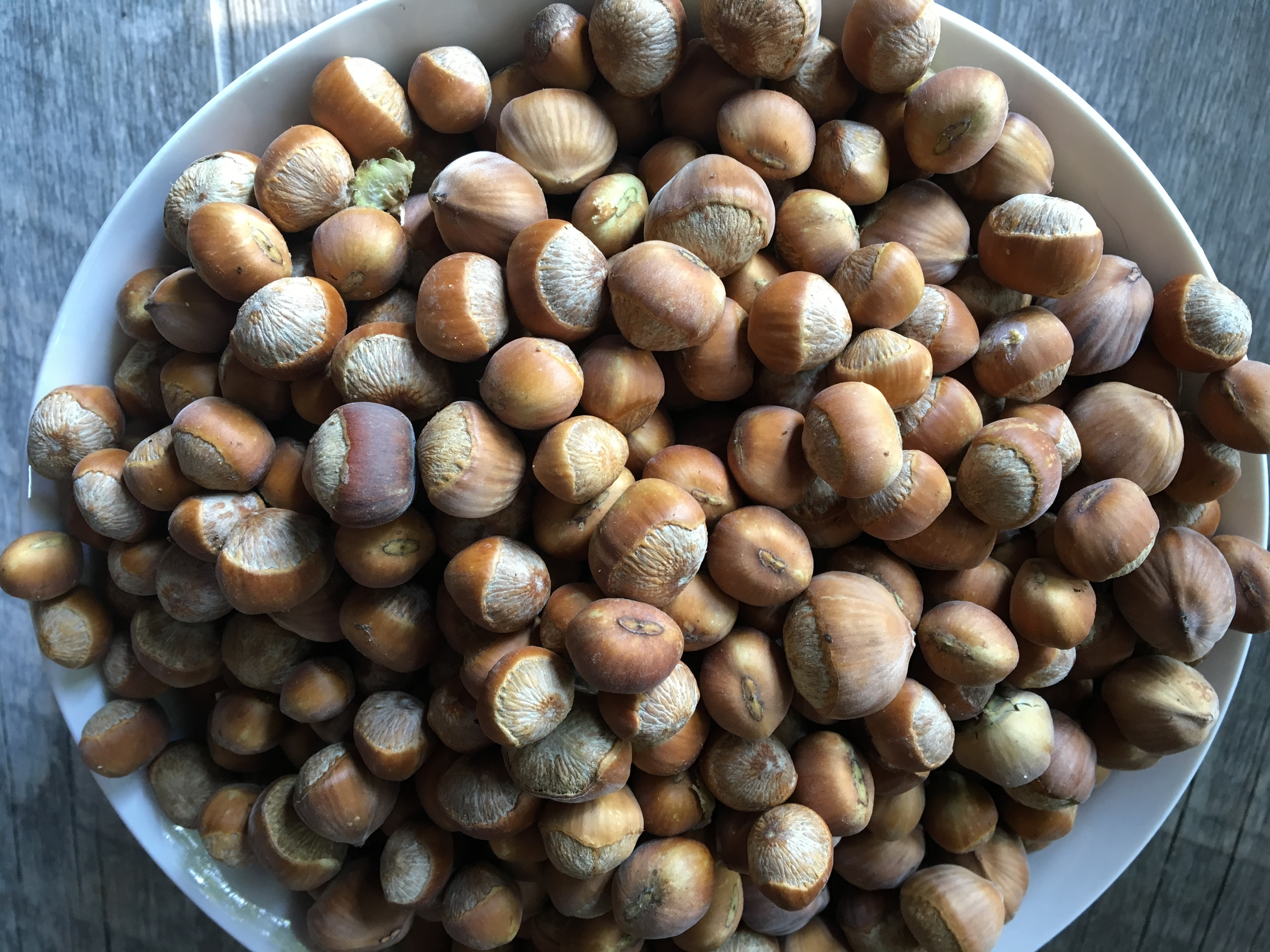
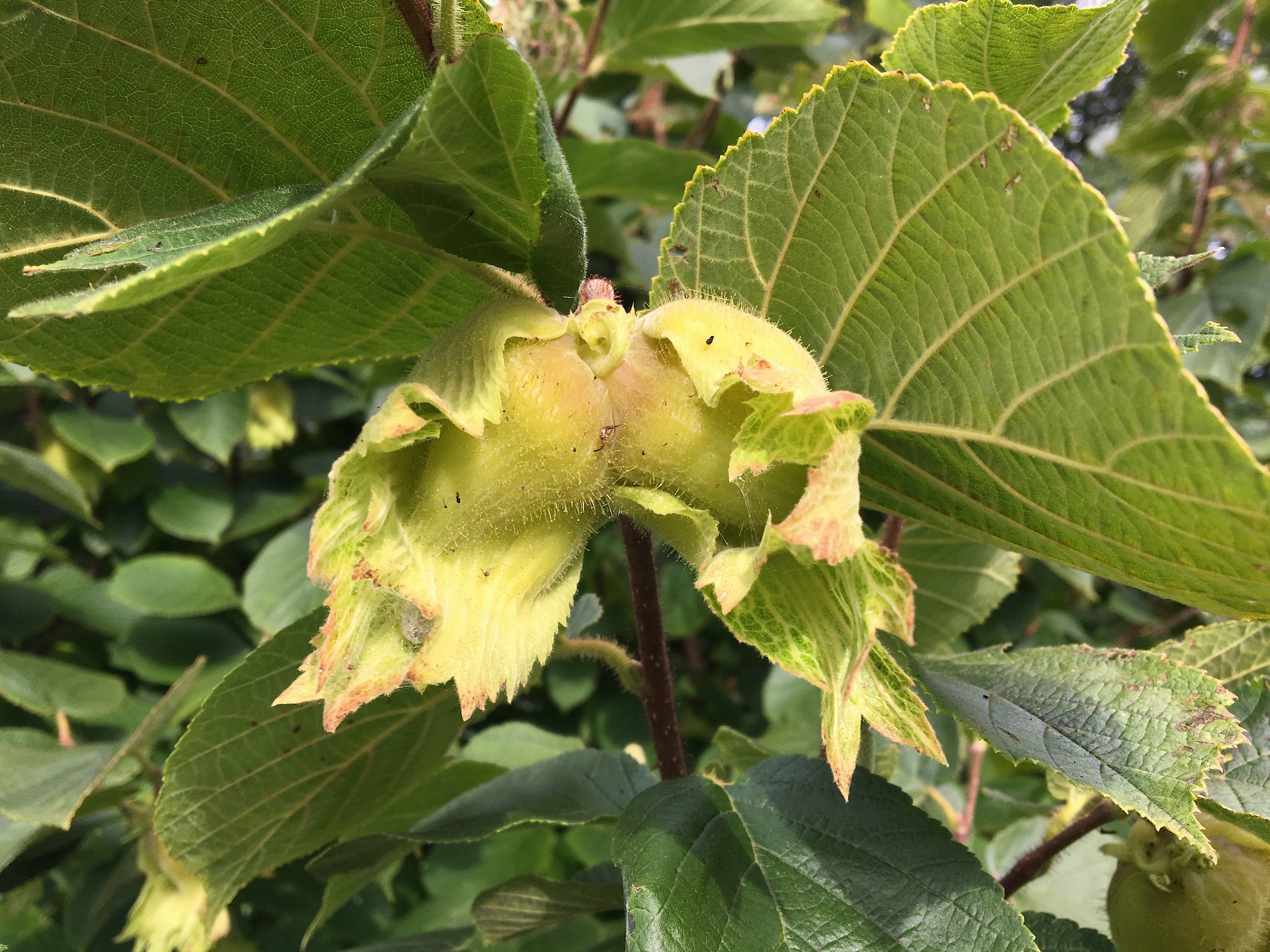
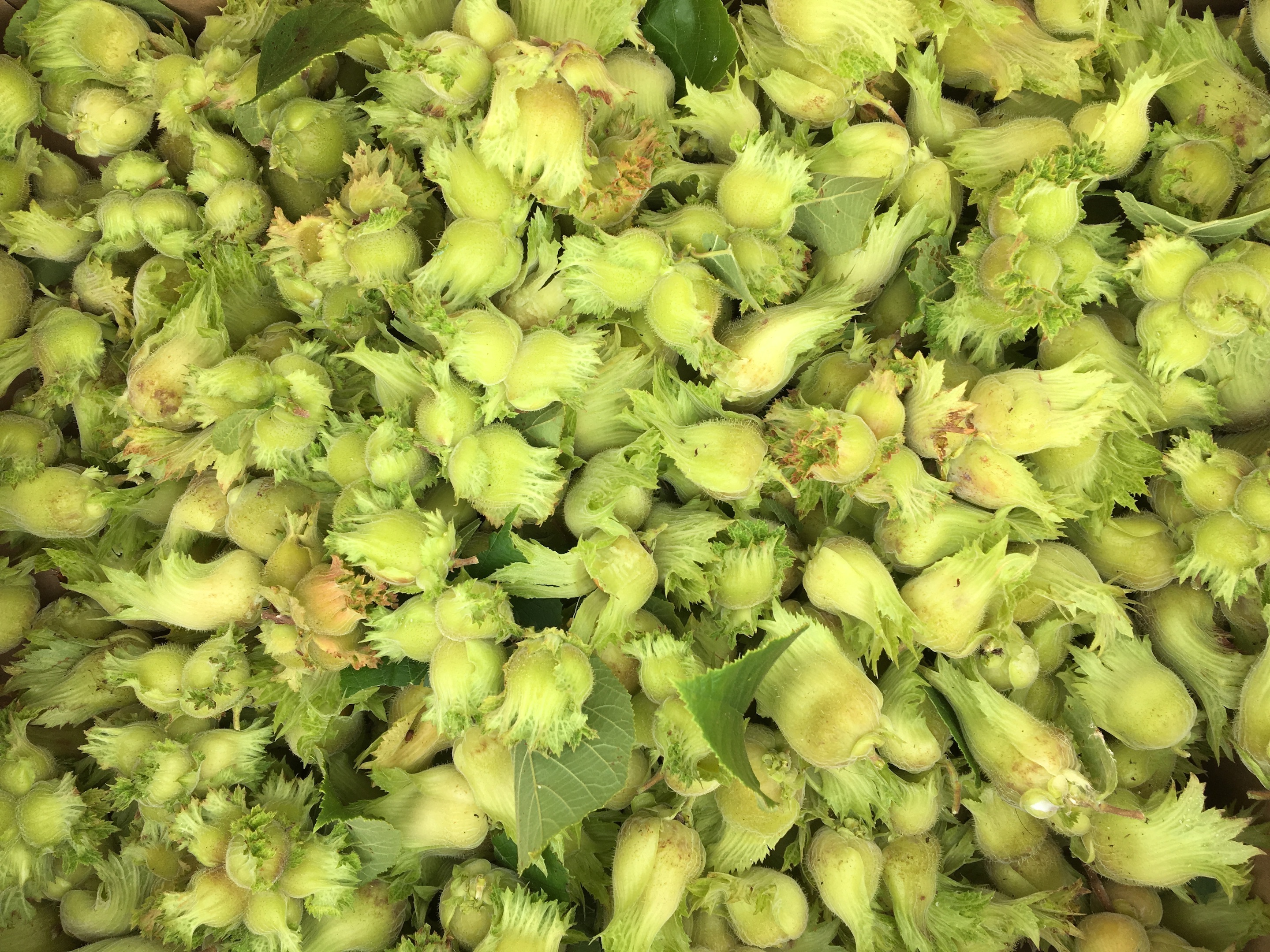
The hazelnut bushes are thriving in the orchard and we got hundreds more nuts this year than last year. We have about four or five pounds. They grow in beautiful pods that are like frilly fingers on green hands that offer you the fruit. Once picked, the green frills dry into a husk which you have to peel off to reveal the hazelnut.

Like all nuts, hazelnuts are high in fat, but also a good source of magnesium, iron, fiber, calcium and vitamin D. Hazelnuts are the basis of Nutella, a delicious European chocolate spread. While the nuts dry, we’ll decide what to do with them.

© J.N. Urbanski – Usage prohibited without consent

© J.N. Urbanski – Usage prohibited without consent


Saving Seeds: Arugula & Bok Choy

© J.N. Urbanski – Usage prohibited without consent

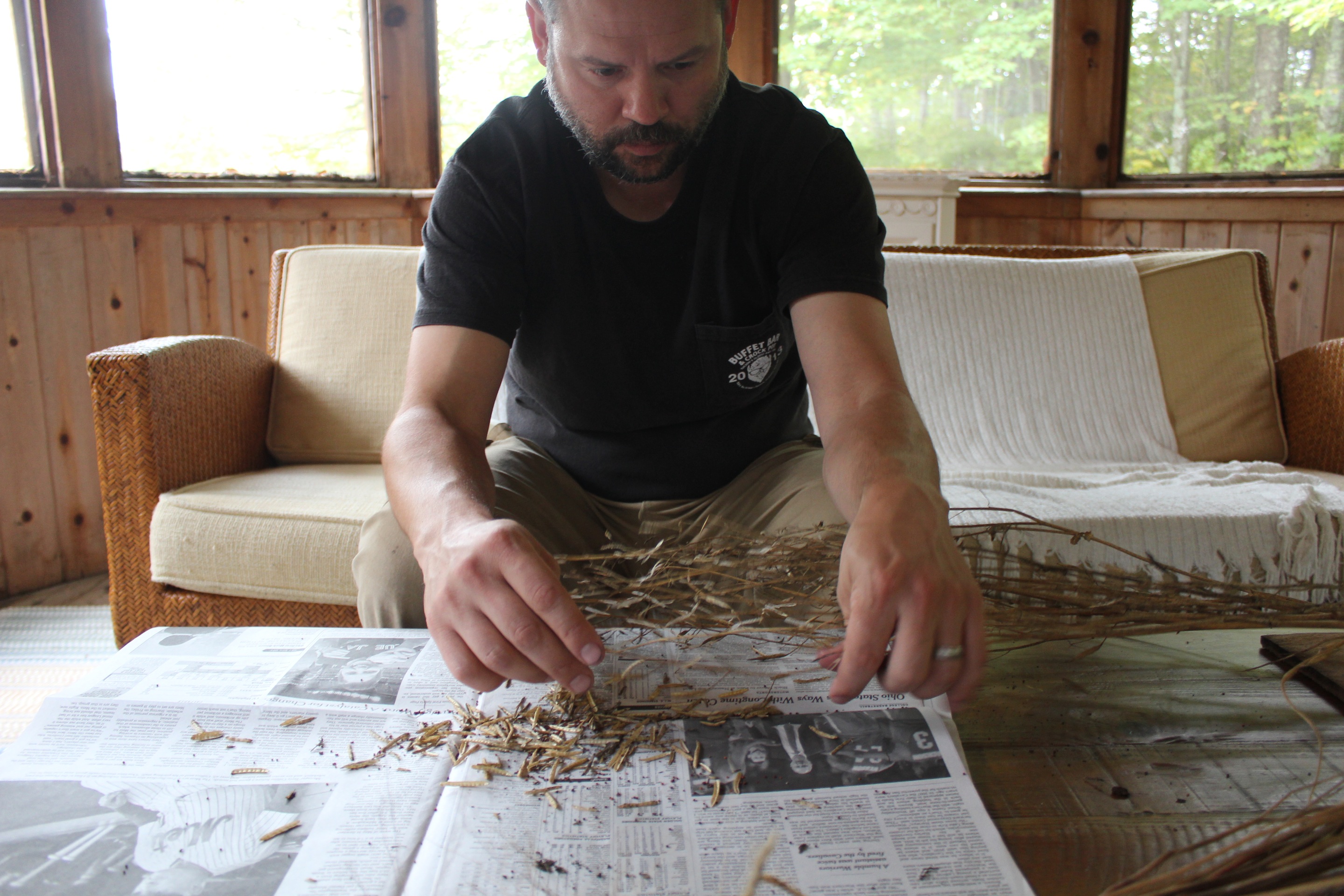
Both the arugula and the bok choy quickly went to seed in the summer heat. A happy accident that yielded thousands of free seeds, shaken from the dry plants, to be planted when it’s a little cooler. Find the video on our instagram feed. Continue reading

Foraging: Lion’s Mane

© J.N. Urbanski – Usage prohibited without consent

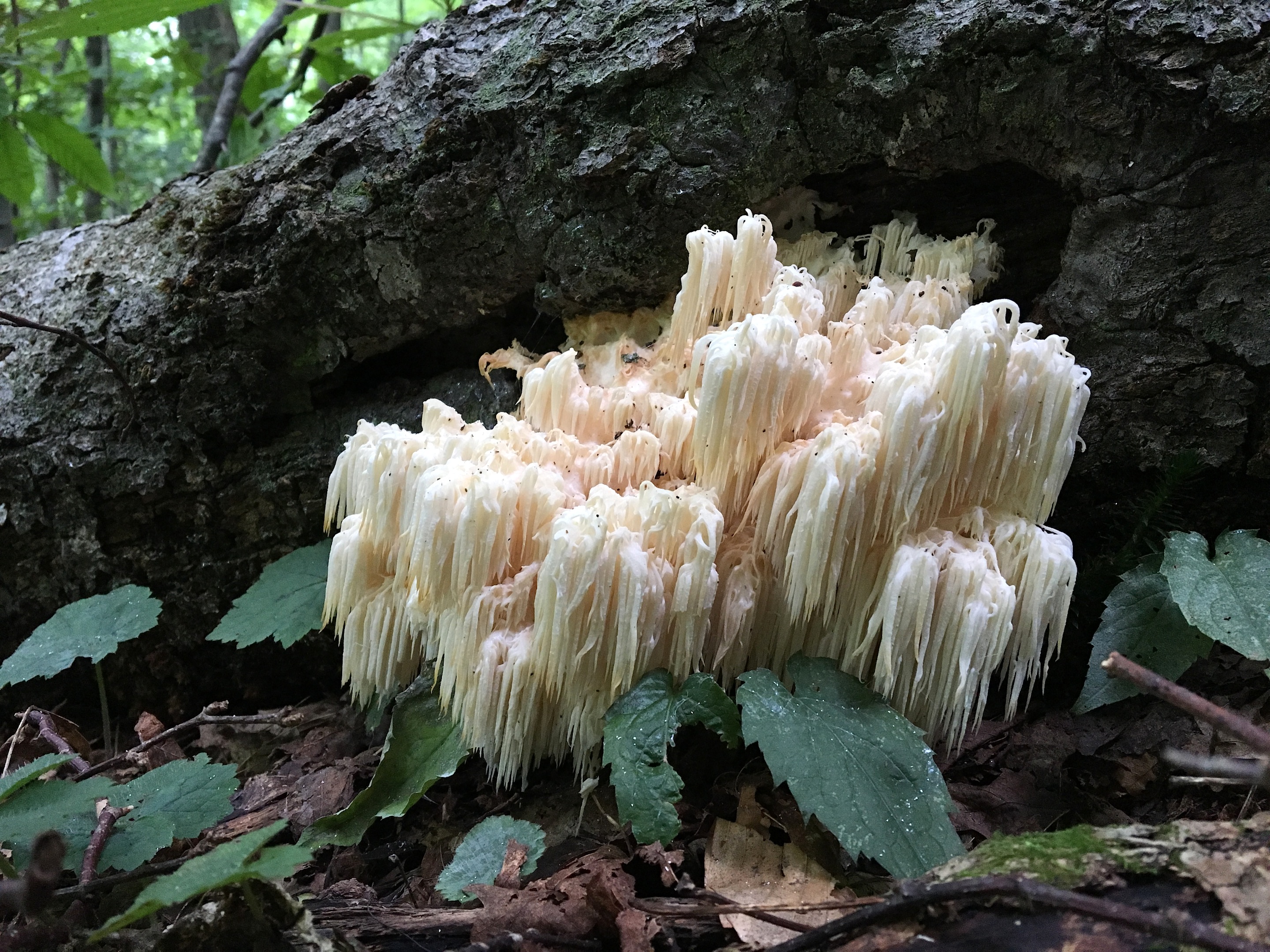
There are several reasons to get excited about Lion’s Mane. First of all, it’s arrestingly beautiful, and when you spot it in the forest it appears to be luminous, as if a beam of light is shining through the forest canopy directly onto it. Lion’s Mane cascades over a log like a dreamy waterfall, frozen in time, with it’s milky stalactites. It’s also called the pom-pom mushroom for the obvious reason.

Second, it can’t really be mistaken for anything else. Some guides tell you to compare it to the poisonous yellow-tipped coral because when Lion’s Mane gets old the tips turn yellow, but the coral grows upwards. Even as a novice mushroom hunter though, I was pretty certain that what I had found (pictured above) was the real thing and that thought was backed up by two others more experienced than I am. (I have just eaten it, so if it’s not, it was nice knowing you.)

Furthermore, you can cultivate Lion’s Mane and it is widely said to have medicinal benefits, like Shitake and Reishi. Experts say that it improves neurological function and alleviates anxiety.

On top of that, it’s utterly delicious, tasting (raw) like a more meaty, fragrant, cooked lobster, with exactly the same texture.

If you’re looking to eat less seafood, you can buy kits to cultivate this exquisite delicacy and grow it yourself. Once you’ve tasted it, it’ll seem like a no-brainer. This mushroom is about 20% protein.

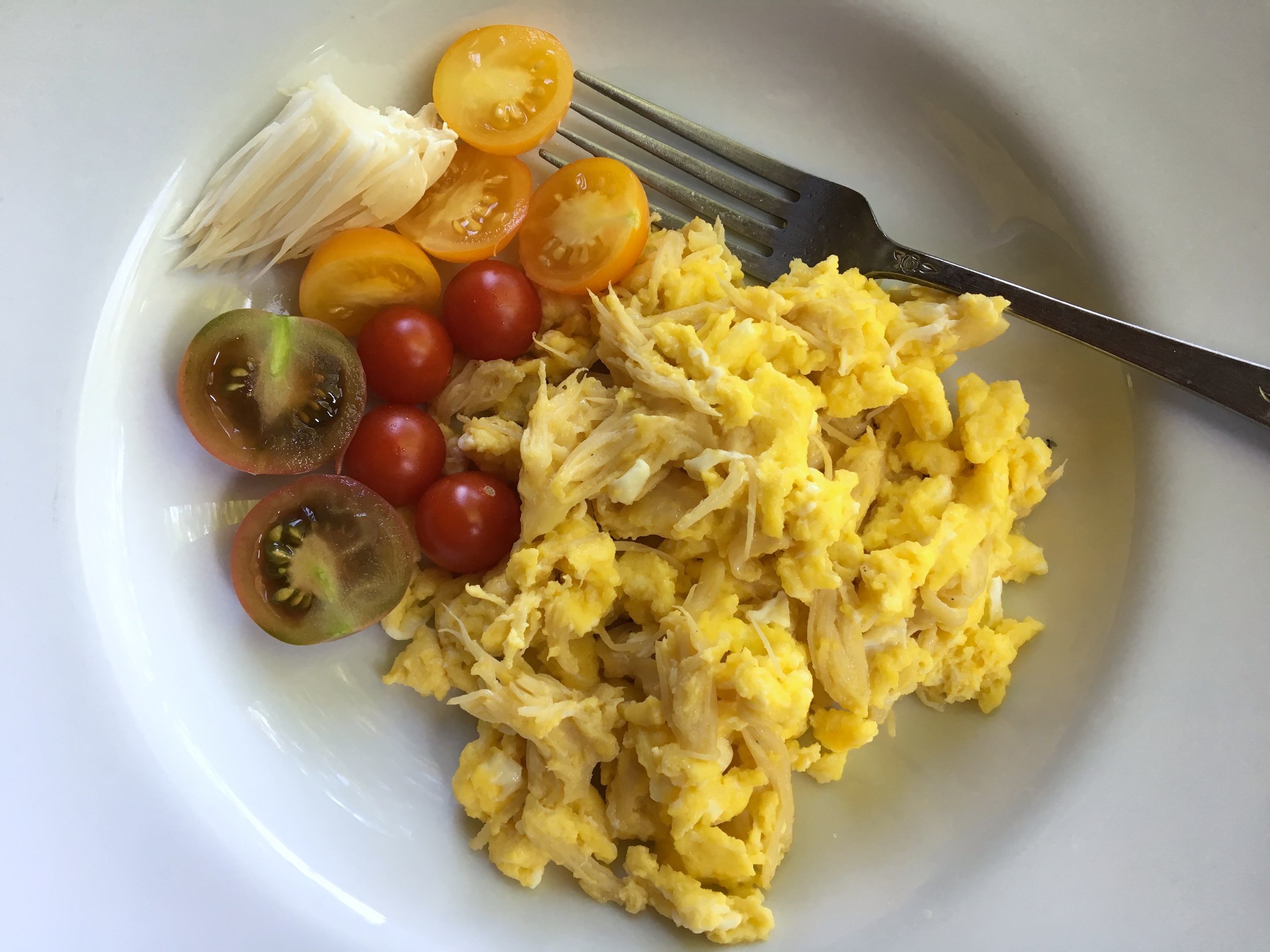
To prepare it, I sliced off the top part that had a lot of forest debris in it. Then broke off about five clumps of the tendrils and washed them thoroughly. (You never know what animal might have peed on it.) Then I separated the tendrils until I had what looked like about almost a cup of loose lobster meat and sweat it in butter. Then I added three beaten eggs and scrambled the mixture. You can see a piece of raw mushroom top left (below).

© J.N. Urbanski – Usage prohibited without consent

Foraging: The Year of the Mushroom

© J.N. Urbanski – Usage prohibited without consent

The natural world breathes its seasons’ wild crops like a vital, forceful green lung and you never can tell what will blow in with the wind. When it breathes in, we get wild apples the size of a man’s fist; when it breathes out, the result is a vast rash of mushrooms, some the size of dinner plates. On this part of the world at least, a wide ridge at the top of a Catskills mountain, we can’t seem to have both. This year, the wild apples are half the size they were last year and less sweet, but you can find your way home through the forest by the trail of mushrooms of myriad varieties. It’s like the forest floor got a very vivid case of acne. The mushrooms are mushrooming, because we’ve had so much rain and humidity. I have about a hundred of what I think are blewits behind my house.

It seems like a sign, so I’m following it, as if my woods have handed me a purpose: mushroom identification, and it’s not like I like things simple anyway. It’s a good thing because there are so many variables to consider. It’s a practice like yoga or medicine: you’ll always be learning and that’s also a decent rule by which to live. Don’t think you know it all. Last year, I found four huge boletes on my property, each one almost the size of my foot, and made a mushroom gravy with them, but this haul was an anomaly on our property, except one huge, fine specimen I found in the same place yesterday. This guy’s too old, however, but he’s probably lain a million spores in the immediate vicinity. Continue reading

Breakfast in the Catskills

© J.N. Urbanski – Usage prohibited without consent

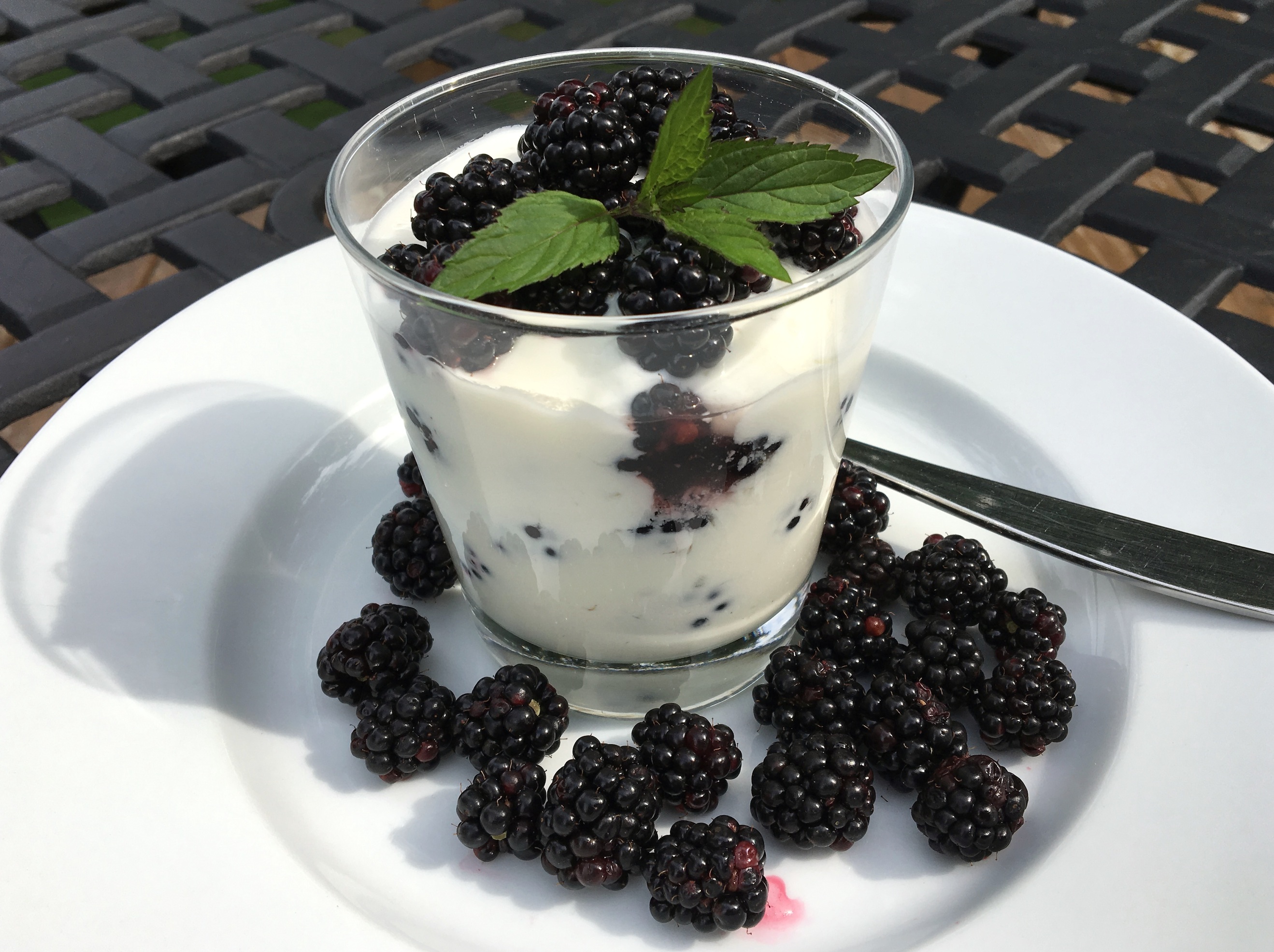
It’s blackberry season and they are sweeter and juicier this year. Berries in general grow well in the Catskills’ rocky soil and high elevation. A few years ago, a local farmer gave sage advice: grow whatever grows the best on your property and grow a lot of it. Blackberries are in abundance this year in the forests too and in fields we are seeing more huckleberries, a blueberry type fruit. We are also having a good apple season, although the apples on the heritage apple trees are not yet ripe.

Weekend Links: Food & Drink Edition

© J.N. Urbanski 4.50pm

Come to a party at Ella’s Mercantile in Halcottsville on Saturday August 12th beginning at 4pm.

Booze your way to good health with Laura Silverman’s recipe for a thyme cocktail for Well and Good Magazine: “if you feel the inkling of a late-summer cold coming on, it’s the perfect reason to get out your cocktail shaker”. If you need a reason, that is.

I’ve said it before, Pakatakan Farmer’s Market is full of scrumptious food and beverages like sausage pie, vodka, kimchee, restorative herbs and fresh royal jelly in addition to your farmer’s market staples like meat, vegetables, dairy, baked goods, mushrooms, and more booze. Nearby, just up the road, you will find Outsider’s Cafe for breakfast too.

Peace, love and food trucks in Bethel.

A blueberry pie eating contest in Woodstock next Wednesday.

The Farmer’s Market

© J.N. Urbanski – Usage prohibited without consent

This week is National Farmer’s Market week. The invaluable, local farmer’s market that is sorely missed all winter is more than just a Saturday errand, it’s a living legend, a place where all the hard work, sweat and tears of production finally gets its showcase. Shopping at farmer’s markets greatly stimulates the local economy, creating jobs and increasing access to fresh, healthful food.  Continue reading

A Summer Party in Halcottsville

© J.N. Urbanski 2.30pm

On Saturday August 12th at 4pm, Ella’s Mercantile is having a summer party in Halcottsville, a favorite haunt of mine. It’s an exquisitely picturesque haven on a large boating lake, through which the historic railroad (DURR) runs. It’s postcard perfect. I’ve taken watercolor classes there; participated in a plein air painting group (with or without attendant goats); interviewed the reverends of the church for a local publication; exhibited my prints in The Grange and tasted tea with a friend. You can stay at Susan’s Pleasant Pheasant Farm and kayak on Lake Wawaka. There’s even a fledgling Shakespeare Company in the works. The whole village is arguably one of the Catskills most beautiful places. Continue reading

Golden Eagles in the Catskills: A Talk By Peg DiBenedetto

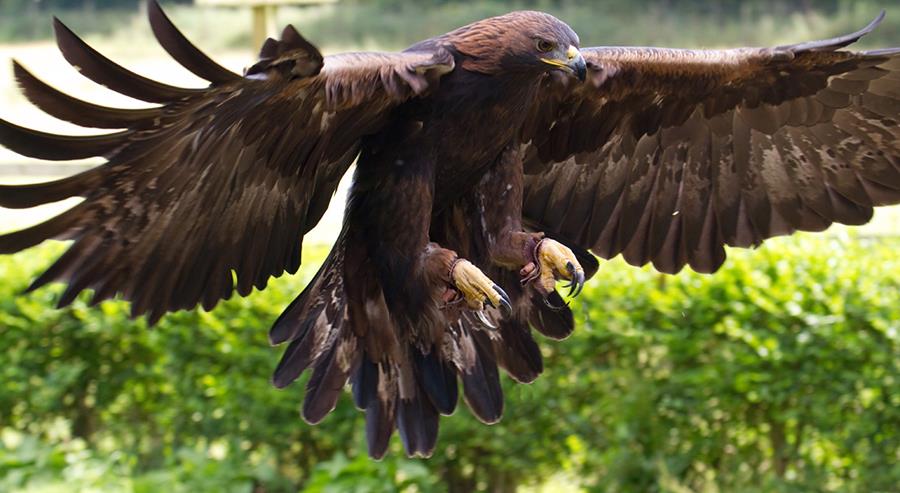
Photo courtesy of the Catskill Center, used under Creative Commons License

As recently as just a few years ago, a winter report of a Golden Eagle in the Catskills was thought to be an anomaly – a bird that was in the wrong place at the wrong time.

However, through efforts of the Delaware-Otsego Audubon Society, in conjunction with the Eastern Golden Eagle Project, a population of over-wintering Golden Eagles in New York State was discovered.  The size and extent of the population are still being explored — with camera trap photos and telemetry data, the natural history of this “new” species is slowly unfolding.

Peg DiBenedetto will present an overview of eastern Golden Eagles; their local habits and behaviors, and migratory routes, as well as the methods used and experiences she and her husband Michael have had, working with the Eastern Golden Eagle Project.

This will be the second offering of the 2017 Member Program Series. Become a member of the Catskill Center, a non-profit organization devoted to the environment, and you can enjoy multiple perks and benefits like access to the Catskill Center’s archive, workshop, seminars and training opportunities and volunteer opportunities.

Saturday, August 12, from 7 -8 pm

at The Emerson
5340 New York Route 28
Mount Tremper, NY 12457

Peg DiBenedetto is a multi-generational native of the Catskills. She holds a Bachelor’s degree in Ecological Sciences from Oneonta State University, and has had varied experiences working with raptors and studying the natural history of eagles- both Bald and Golden.  As Co-Chair of the Research Committee for the Delaware-Otsego Audubon Society, Peg has worked on songbird habitat preservation in the Dominican Republic and is involved in on-going studies of the Golden Eagles of New York State. She is Co-Chair of the DOAS Research Committee, a DEC Volunteer, and a member of the Eastern Golden Eagle Working Group.

Peg works in Land Management for the NYC DEP, is a Trustee for the Michael Kudish Natural History Preserve, and is on the Board of Directors of the Catskill Center for Conservation and Development. She lives with her husband in Halcott Center on the dairy farm where she grew up.

Catskills Weekend: July 28th & 29th

© J.N. Urbanski

EVENTS in the Catskills tonight and this weekend:

Tonight, Friday 28th, there will be music at Wayside Cider in Andes.

Saturday July 29th at 1pm, join trustees at the annual meeting of Woodchuck Lodge, John Burroughs last home built by his brother on the Burroughs’ ancestral home. The board of Woodchuck Lodge works to preserve this historic site and runs its popular Wild Saturday program on the first weekend of every month. Location: 1633 Burroughs Memorial Road, Roxbury, NY 12474. Free tours are also offered on the first weekend of every month from 11am to 3pm.

The Catskill Center for Conservation and Development and the Woodstock Land Conservancy are teaming up for a “Bio Blitz” at the Thorn Preserve in which participants can “volunteer to do a bit of citizen science” until 10pm tonight July 28th. The project continues tomorrow July 29th from 9.30am to 5.30pm at 55 John Joy Road, Woodstock, NY. Meet scientists and expert naturalists to study the wildlife, plants and biodiversity at the Catskill Center’s Thorn Preserve, a beautiful 60-acre locale containing a stream, pond, wetlands, forest and open meadow. A great opportunity to get involved. Continue reading

On Mushroom Hunting

After yesterday’s torrential rain, our forest floor erupted with mushrooms, of all shape, size, name and color, like twinkling jewels amidst the undergrowth and quite an extraordinary sight to behold.

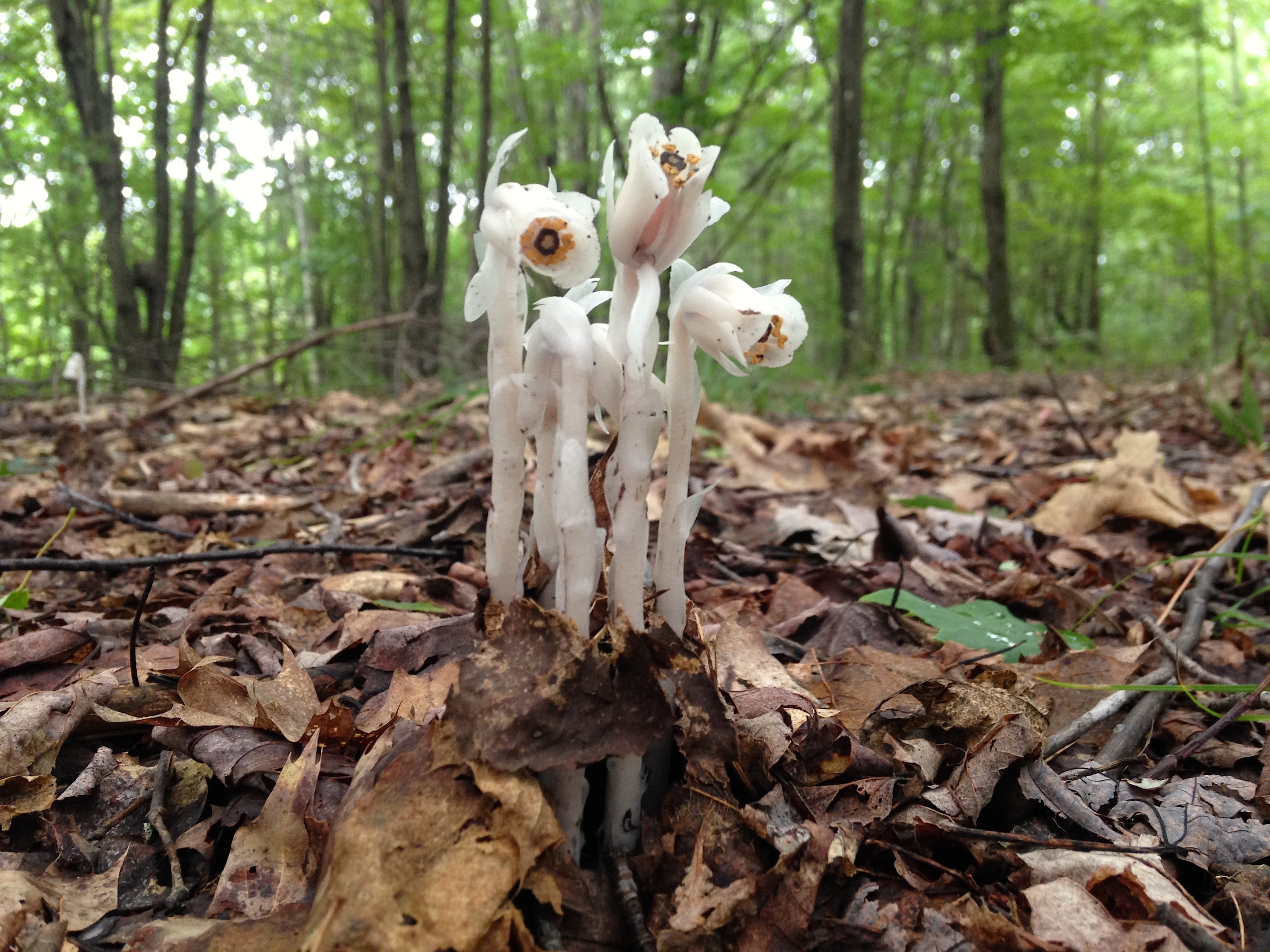
Beautiful, ethereal Ghostpipe (or Indian Pipe, pictured above) has proliferated like never before seen in our forest. To see a venerable plant that is ordinarily quite rare, this seems magical. Not technically a mushroom, it’s rather a plant that doesn’t photosynthesize, devoid of chlorophyll and taking its nutrients from a delicate balance of conditions: decaying deciduous leaf matter, conifer trees and an underground fungus network, in perfect measure. It’s pretty much impossible to cultivate because it’s so sensitive and venerated because it’s an analgesic, for physical and emotional pain, that is over harvested. To be presented with such a plant in abundance feels like a gift, so I’ll be harvesting a small amount this year to make a tincture. Continue reading

Tick Tubes

© J.N. Urbanski – Usage prohibited without consent

Widely available from Amazon and other places, these tick tubes (pictured above) are stuffed with cotton wool that is laced with the insecticide Permethrin. Hide them around the yard at no less than 10 yard intervals and the cotton inside the tube will be stolen by mice who will use it to build their nests. It’s been reported widely that white-footed mice are the main vectors for Lyme Disease and these mice typically live very close to, or in, the home in addition to on the edge of forests. Put as many as these tubes out around your home as you can, once in Spring and once in the Summer. The permethrin will kill the ticks but not the mice. They appear to work, but it’s not clear from our experiment whether they are being taken by chipmunks or mice.

Over the winter, it was crystal clear that either mice or chipmunks were sleeping or nesting in our wood piles. Each log was covered in mouse (or chipmunk) droppings.

You can also make your own tick tubes, by saving the toilet or paper towel tube and stuffing it with your own permethrin-laced cotton balls. However, permethrin is notoriously toxic, so I haven’t been brave enough to try that yet. If you are getting bitten while gardening, you can spray your gardening boots with Permethrin as small nymph ticks are rampant this year and they are so small they can hitch a ride on your shoes into your house.

Farm to Belly: Garlic Scape Pesto

© J.N. Urbanski – Usage prohibited without consent

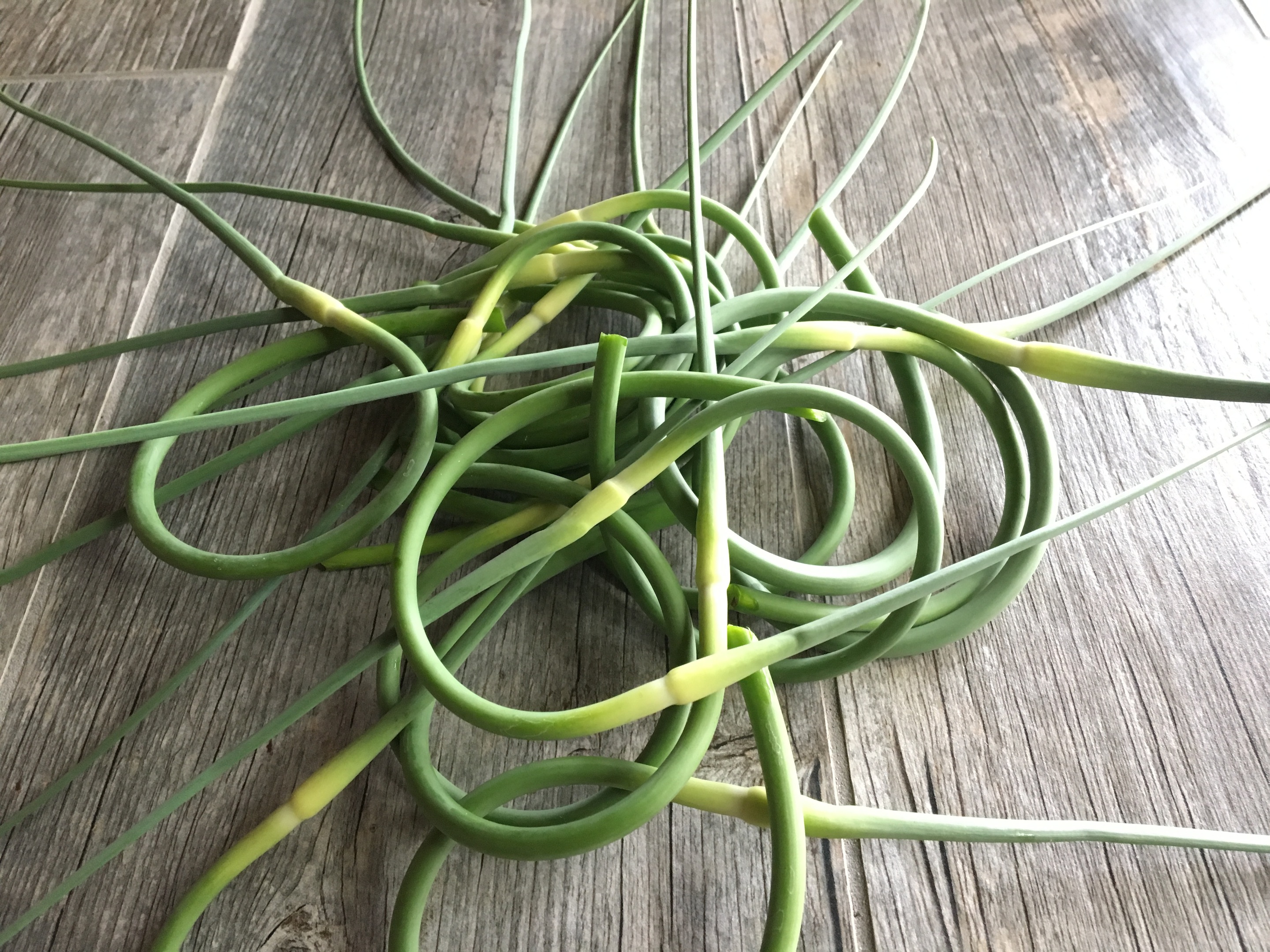
It’s garlic scape season! A scape is the bud of the spring garlic bloom that has yet to flower. We cut off these very long buds in order to encourage the plant to focus on growing the actual garlic bulb that grows in the ground. In the picture at the bottom of the page, you’ll see the garlic growing in the ground and there’s a long leaf with a light colored bud on it that has curled over and is pointing left. This is the scape before it’s cut off. Continue reading

Catskills Sandwich: The Goods Filet

© J.N. Urbanski 3.30pm – Usage prohibited without consent

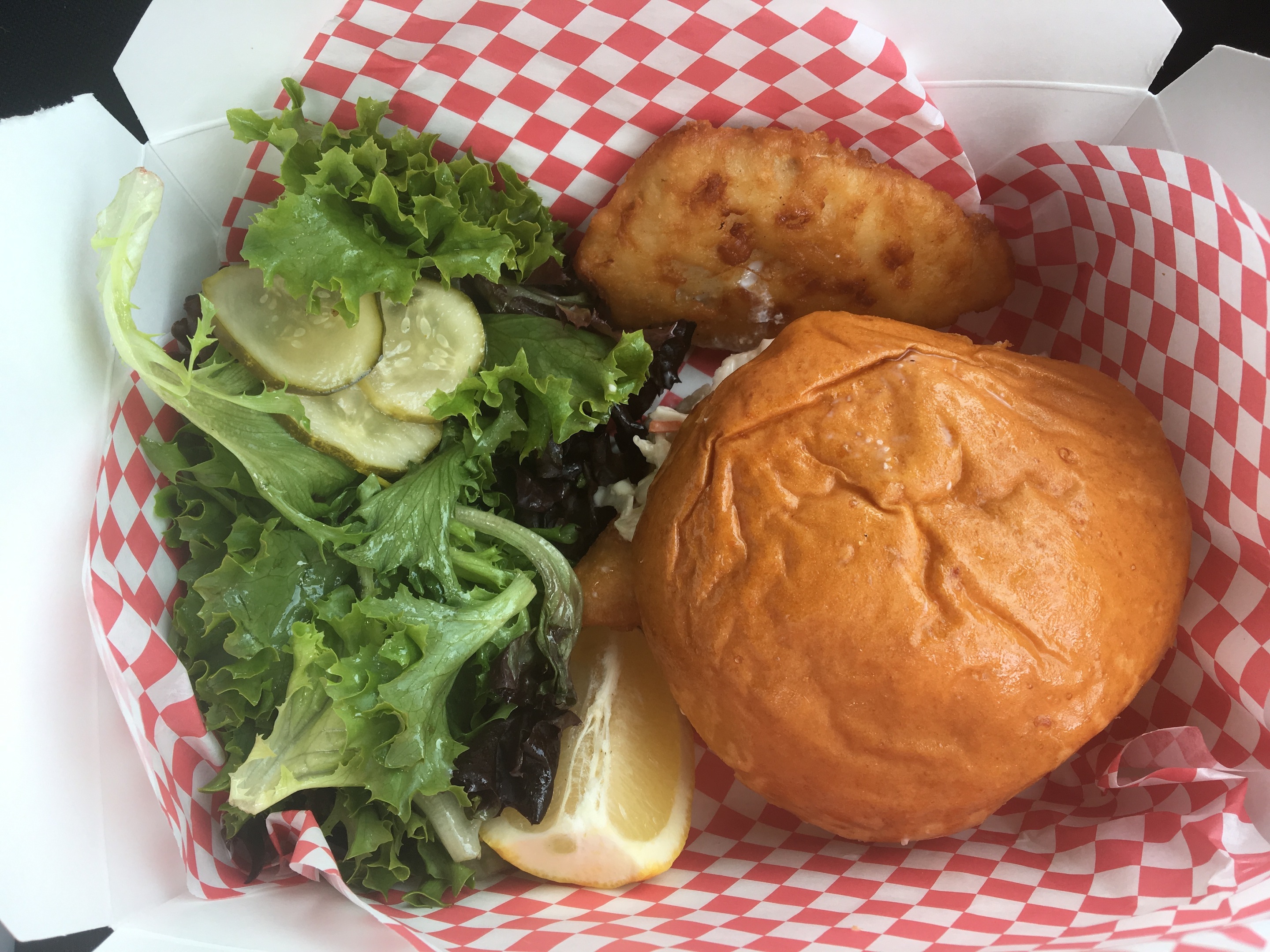
If you’re looking for a scrumptious fish sandwich, and you’re around Boiceville, look no further than The Goods Luncheonette, where you’ll find a snappy fish filet with creamy, tangy sauce, plus a dollop of coleslaw, in a soft, brioche bun.

Continue reading

Rhubarb

© J.N. Urbanski – Usage prohibited without consent

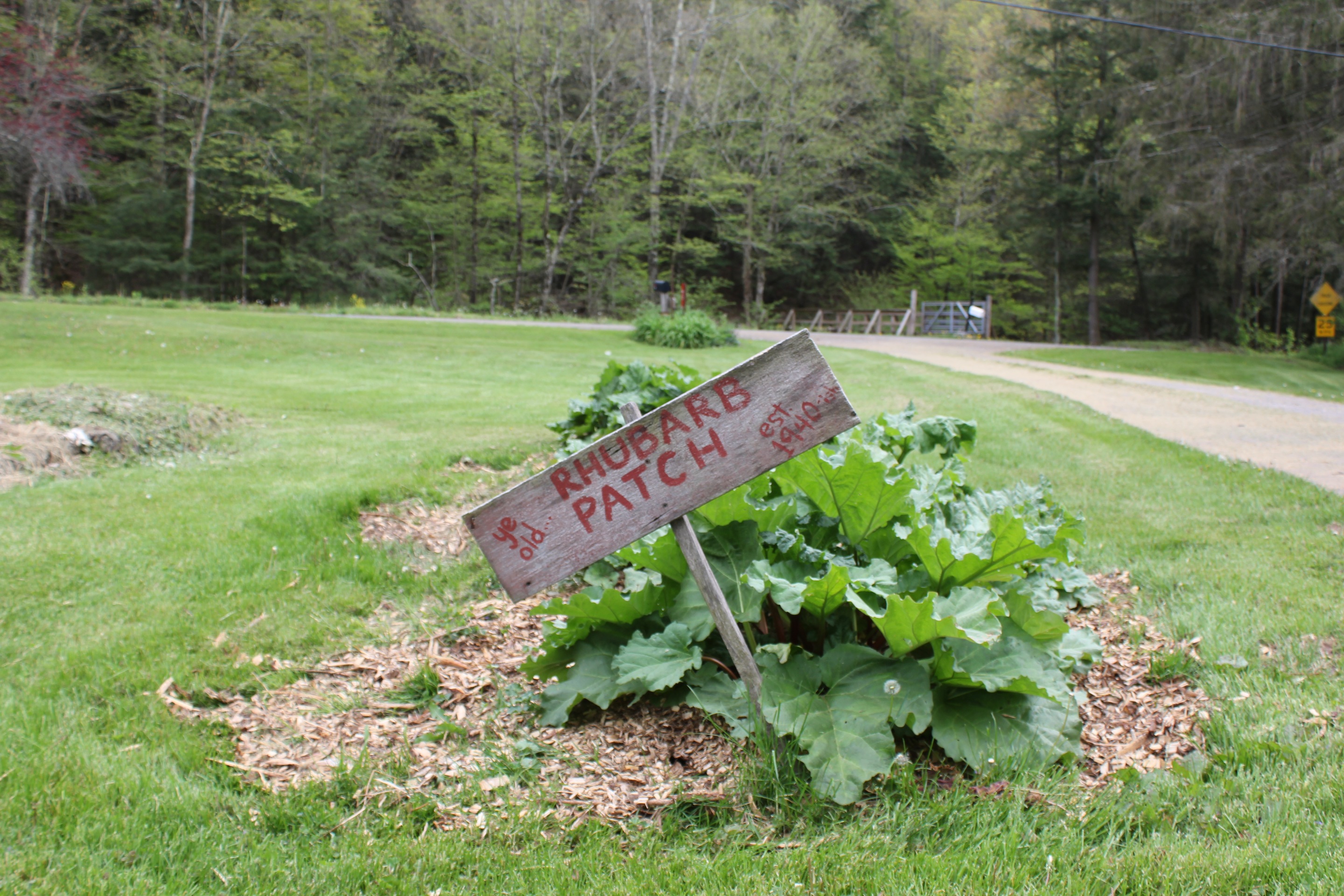
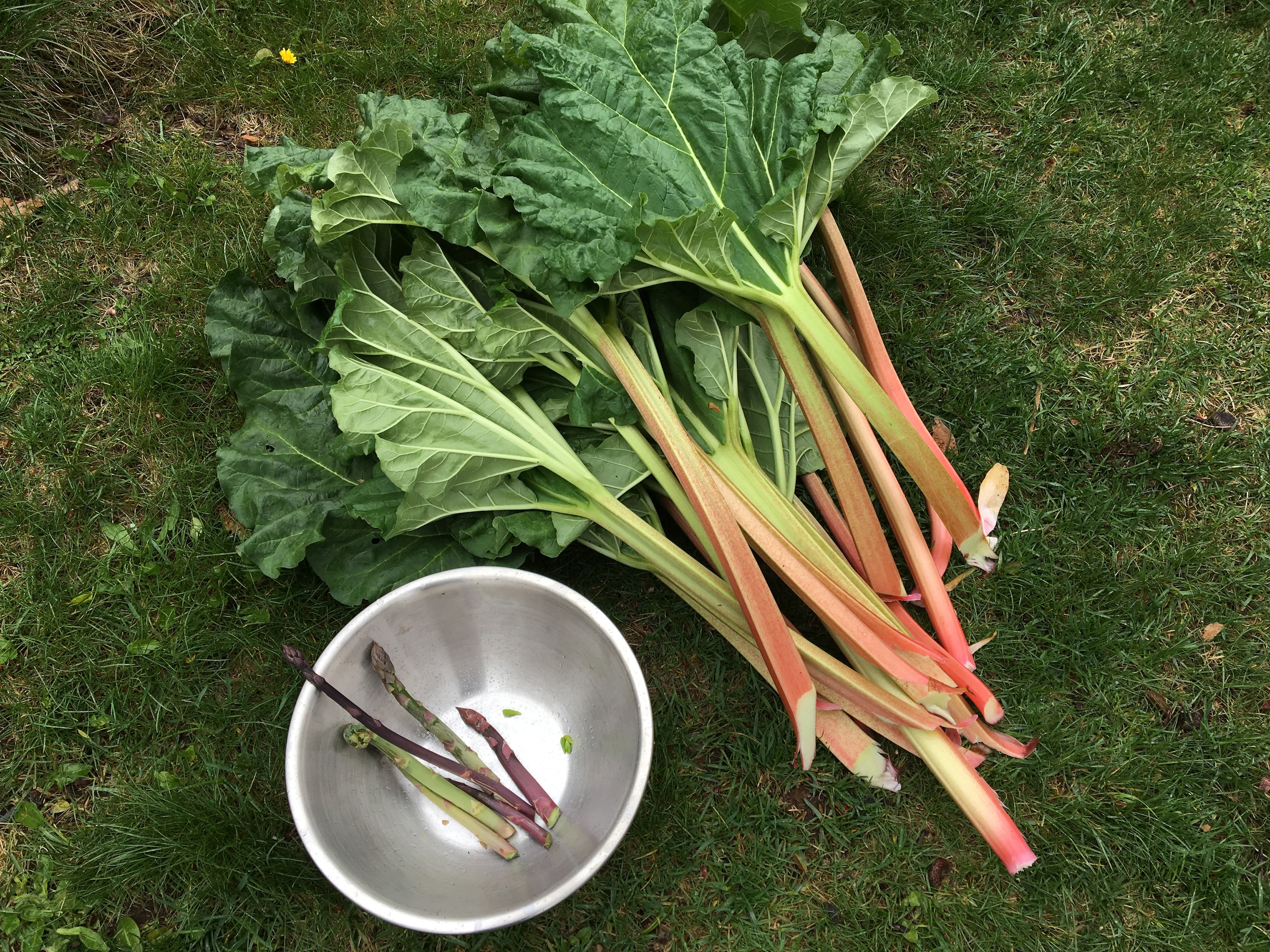
Years ago, when we were losing our crops to blight and other things, our neighbor Alan White, told us to find out what grows well on our ridge and plant a lot of it, then swap for other produce you might need with neighbors. Rhubarb loves it here, as do potatoes, asparagus, garlic, asparagus and berries. This year, my husband is trying arugula, because I spend money on that stuff and it’s imported from god knows where. That’s not to say that I don’t eat our weeds like sheep sorrel and dandelion, because I do. Our mint has also gone quite rogue and I’m picking new growth in our lawn along with the other weeds.

Continue reading

John Burroughs’ Bookshelf

© J.N. Urbanski – Usage prohibited without consent

Since I became a trustee of Woodchuck Lodge, John Burroughs’ last home and site of his final resting place in Roxbury, NY, I’ve become fascinated with his bookshelves. He left behind a vast collection of Atlantic Monthly magazines and (pictured above) a sturdy collection of Encyclopaedia Britannica. Atlantic Monthly is still published to this day and is a progressive periodical devoted to covering “news and analysis on politics, business, culture, technology, national, international and life”, but what was it like back then? Last month, at one of Woodchuck Lodge’s Wild Saturday events, I had just about enough time to flick through most of an Atlantic Monthly magazine from April 1923 and took photographs of what I considered the most interesting bits (below). I cannot help but wonder what John Burroughs himself thought when he read about Mrs A trying desperately to avoid “social suicide”. Continue reading

Catskills Cocktails: Gin & Spruce

© J.N. Urbanski – Usage prohibited without consent

If you’re a regular reader, you’ll know that I’ve been making natural sodas with forsythia and spruce tips. I’ve discovered that spruce tip syrup goes particularly well with whiskey, too, like the forsythia, which made a tasty Catskills Collins. I’m also working on rhubarb juice that makes a first-rate bitter addition to cocktails for people who find bitters too intense or overpowering for their taste. Here are a couple more refreshing cocktails for the summer.

Continue reading

Spruce Tip Syrup

© J.N. Urbanski – Usage prohibited without consent

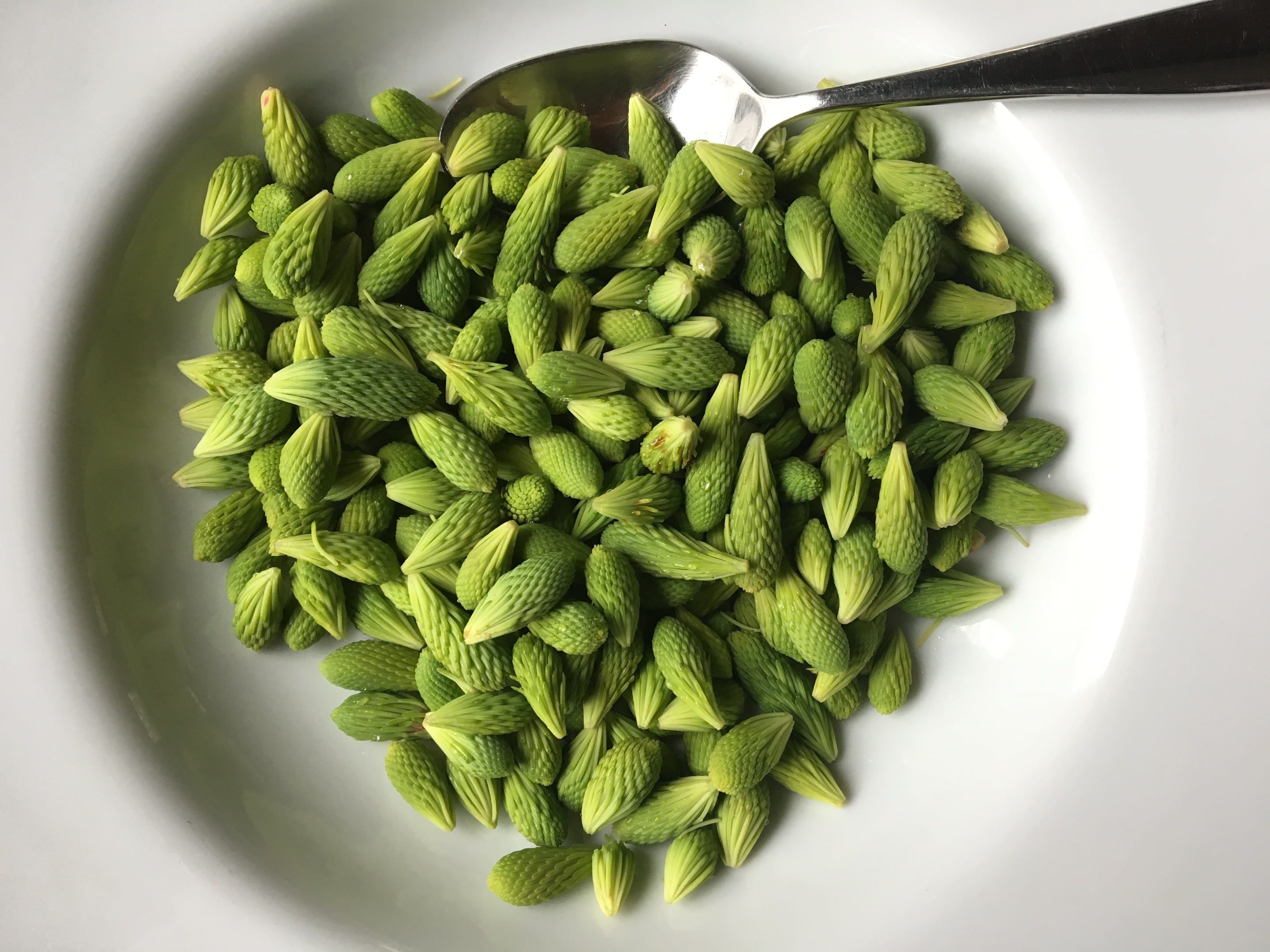
It’s spruce tip season: fresh, new tree growth at the tips of the branches of evergreen conifer trees present as vibrant, brilliant green nuggets about the size of a nut, varying between the sizes of a peanut and a pecan. They are instantly recognizable as a completely different color than the rest of the needles on the branch, from a distance looking like a Christmas tree has come down with forest chicken pox. For the past few weeks, they have been encased in a papery brown or fleshy red covering (that ejects clouds of a dense, yellow pollen when shaken), which they are now shedding to reveal the green tips. Continue reading

Zephyr’s Chili Bowl

© J.N. Urbanski – Usage prohibited without consent

The Zephyr’s Chili on the dinner menu stands out for its lightness, uncharacteristic for a chili bowl, achieved by the addition of sweet, juicy chunks of tomato amongst the beans. You won’t go home with a brick in your stomach, but you’ll have enough fuel for a long walk in the country air, the wet, wet, gloomy country air. I took a couple of bites of the cheesy biscuits, wrapped the rest up in a napkin and ate them later. Where’s spring? Yesterday was warmer at 62F and cloudy with some late afternoon sun. Today: more rain. My seasonal affective disorder is only just held at bay by remembering how low the Catskills reservoirs were last year and how much they need replenishing. Spring has been more of a gastronomical tour around the mountains, ducking into restaurants, sitting at the bar and trying some of the Catskills’ best fare. Try also, Traveler’s White Tea with Hibiscus, (which also goes well as a vodka mixer).

Local Catskills Foraging Guides

© J.N. Urbanski – Usage prohibited without consent

Foraging is not only an excellent way to supplement your diet, but it reduces your carbon footprint. I hear a lot of people complaining about climate change and foraging is a way to be some part of the solution. Eating whatever’s in your garden is the best way to put your money where your mouth is. Why have that salad sent from California when you have wood sorrel, dandelion greens, ramps, thistle roots, winter cress, burdock, plantain and wild lettuce on your property? Don’t spray your weeds; eat them. Some hardcore carnivores would be surprised to find that these foraged greens have any nutrition at all, but if you spend dark winters watching the deer battle on through a driving blizzard at zero degrees, knowing that they only eat vegetation, you have all the proof you need. Foraging is fun and hiking is the best exercise, gentle enough for everyone. Sorrel is has the taste of spinach with a lemony zing. Spruce tips, which are out now, are a little unusual with a taste reminiscent of citrus.

Continue reading

Catskills Cocktails: Scotch & Forsythia

© J.N. Urbanski – Usage prohibited without consent

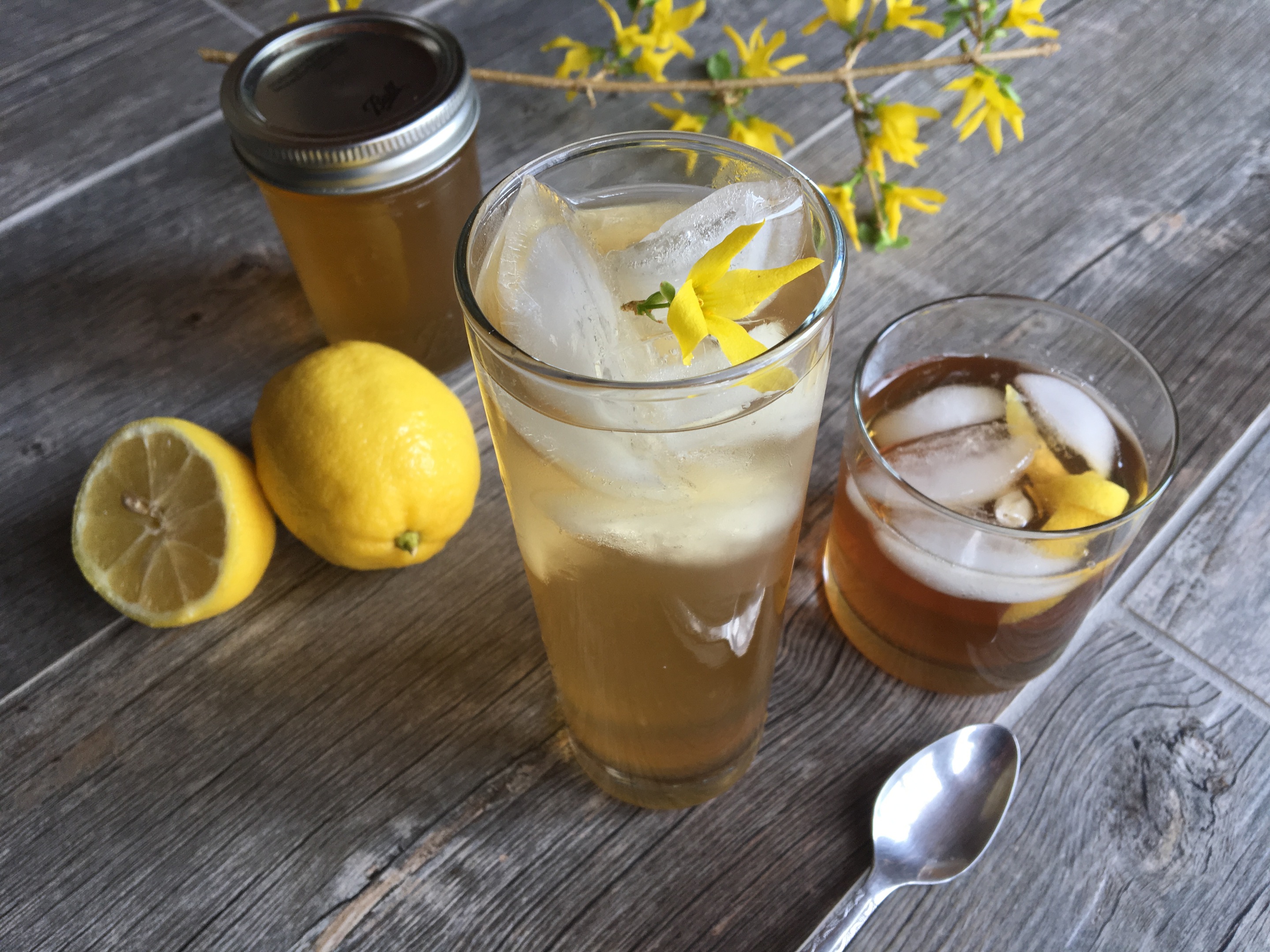
Did someone yell Cocktail? I have all this forsythia syrup and didn’t preserve it, so I need to use it all up before it goes bad. What better way to put syrup to good use than a twist on a couple of classic whiskey cocktails: a John Collins and a New York Cocktail. The simple syrup is replaced in both cocktails by forsythia syrup, the earthy tones of which are compatible with a good Scotch and the lemon. Find my forsythia syrup recipe here.

This first is similar to a John Collins, but made with Scotch and missing the fruity garnishes. The second is a New York Cocktail without the grenadine.

Continue reading

Zephyr’s Zucchini Fritters

© J.N. Urbanski – Usage prohibited without consent

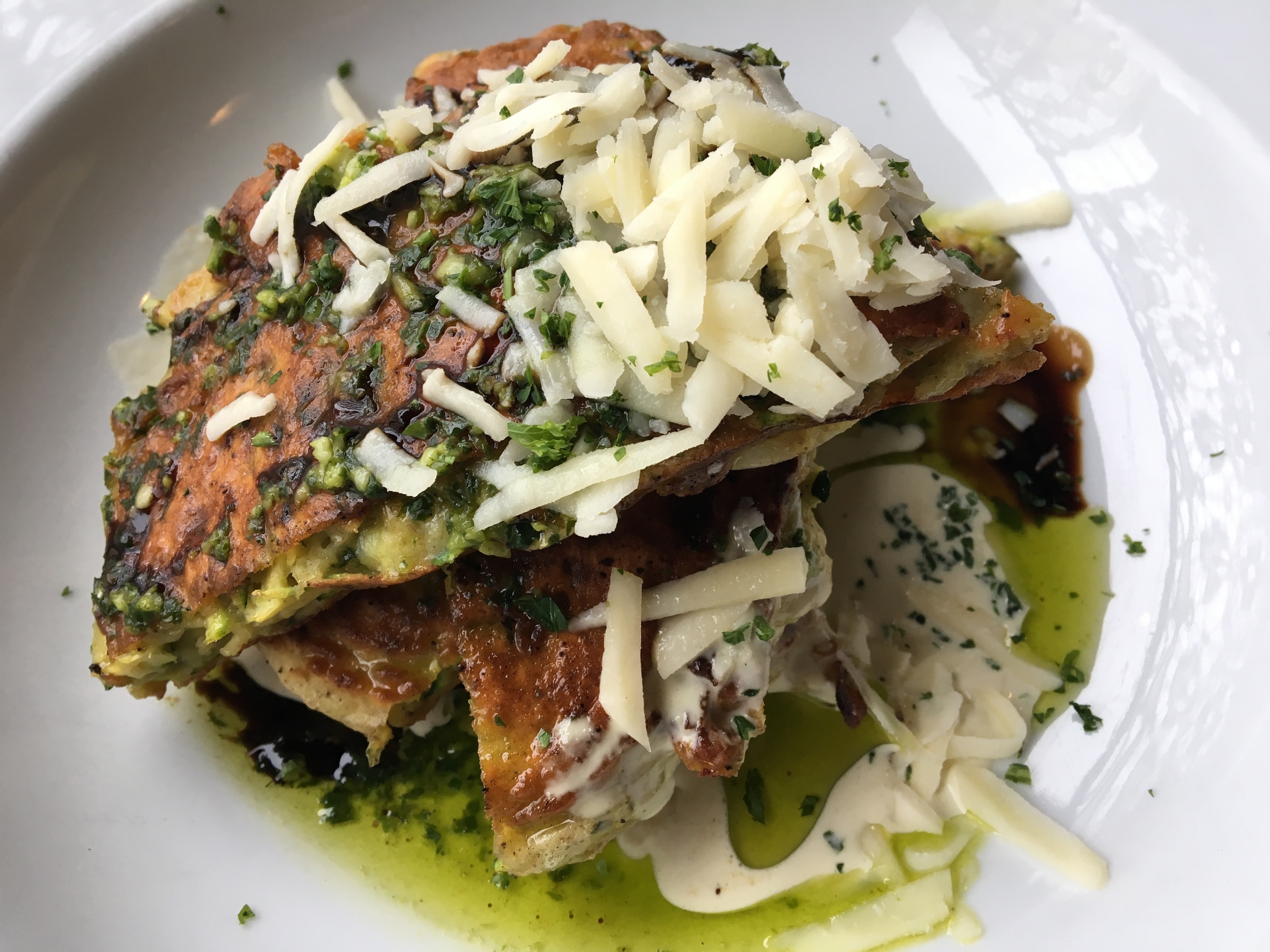
Another gigantic pile of deliciousness from The Zephyr in Pine Hill: their zucchini fritters. Two medium-plate-sized fritter rounds cut into halves is the entrée version (and half as much food for the starter dish). The image above, taken on the fly, does not do the fritters justice. They were not too doughy; just the right combination of firm and moist; sprinkled with cheese; drizzled with three sauces: a creamy garlic sauce, thick balsamic vinegar and some sort of herb oil. The whole thing was to die for, washed down with Traveler’s white tea with hibiscus. A memorable dish on the luscious list.

Spring Asparagus

© J.N. Urbanski – Usage prohibited without consent

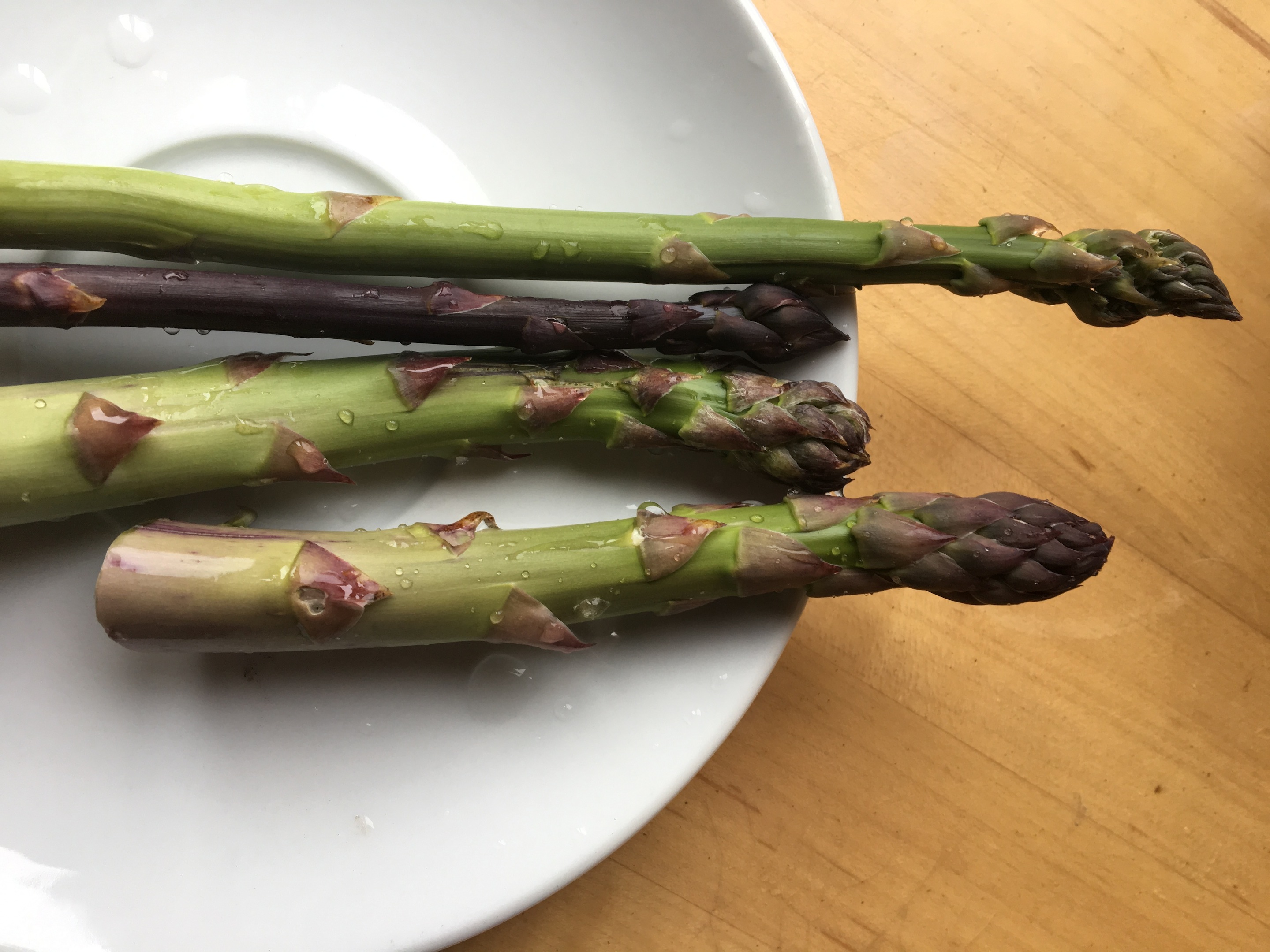
One of our first spring crops: a stand of asparagus. There’s nothing like cutting off a fresh stalk and eating it raw, still warm from the sun. Surprisingly juicy, the first bite of raw asparagus is also a satisfying crunch.

Local Eggs: Sweet & Delicious

© J.N. Urbanski – Usage prohibited without consent

It’s been a long time since I’ve had an egg as delicious as this: bright orange yolks, rich, sweet and creamy, almost like a dessert when soft-boiled on toast and in yesterday’s salad! Leigh Melander, a colleague at WIOX and founder of Spillian bought a bucket of eggs into the radio station to share. Leigh says her hens, who are completely free range, are very happy and I believe her. They were presented with some art a few days ago and all flocked around to inspect it.

Part of the lure to the country or Upstate New York, apart from the fresh air, is the local food. It’s worth battling five months of winter for glorious food like this. When wholesome food of this calibre becomes an expensive luxury in the city, it’s time to move upstate where your neighbors bring you eggs, cheese, bread, jam or any number of spring items that they have produced on their homestead. Just the fragrant aroma of a homegrown tomato feels like a miracle.Local, country board meetings are never without something homemade to pass around like goat’s cheese or bread. This second rainy and gloomy day of the week has been lit up like a summer’s day by simple eggs on toast using local bread.

Winter is tough up here, but the spring rewards are like Sunday Best, not taken for granted and savored all the more.

Forsythia Syrup

© J.N. Urbanski – Usage prohibited without consent

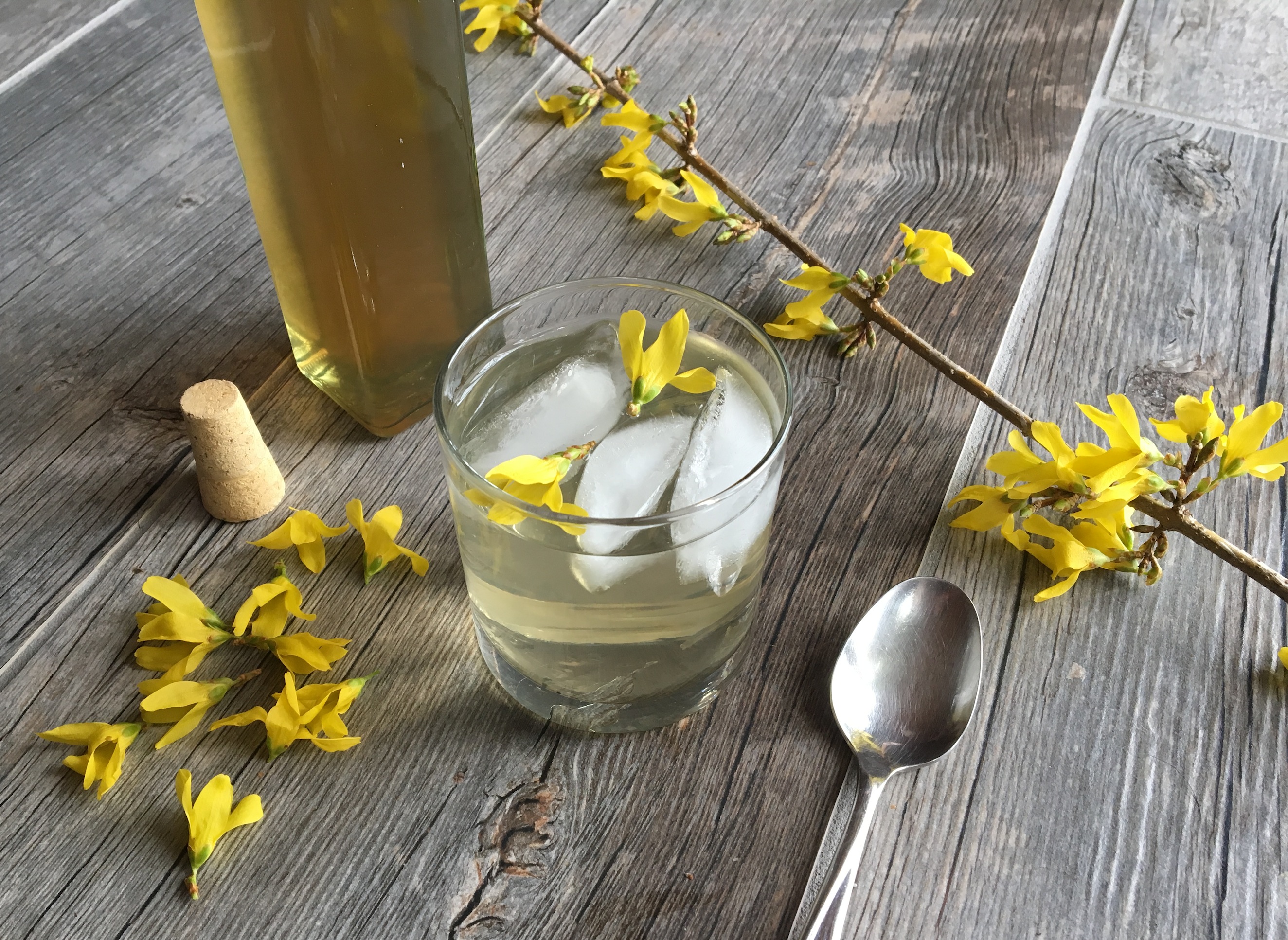
Forsythia, which is in bloom at the moment, is a shrub that produces gorgeous bright yellow flowers in the spring before its leaves start to shoot. After attending Rob Handel’s Wild Edibles class last week, I discovered that I had a huge forsythia bush on my property and that now is the time to make forsythia syrup with the flowers on this shrub.

Continue reading

John Burroughs and Woodchuck Lodge

© J.N. Urbanski

What an honor to be on the Board of Trustees at Woodchuck Lodge and what a privilege to be able to peruse his 100-year-old collection of Atlantic Monthly magazines, a magazine that is still in existence today. For the writer, this is a rare treat; though the copies are tattered and fading, they still adequately convey the times. Burroughs was published by The Atlantic his nature essays appeared regularly in his life and career. It’s a co-incidence that on Earth Day, April 22nd, I had access to his entire collection of magazines when on The Atlantic website there are details of today’s climate march for science in New York City. 


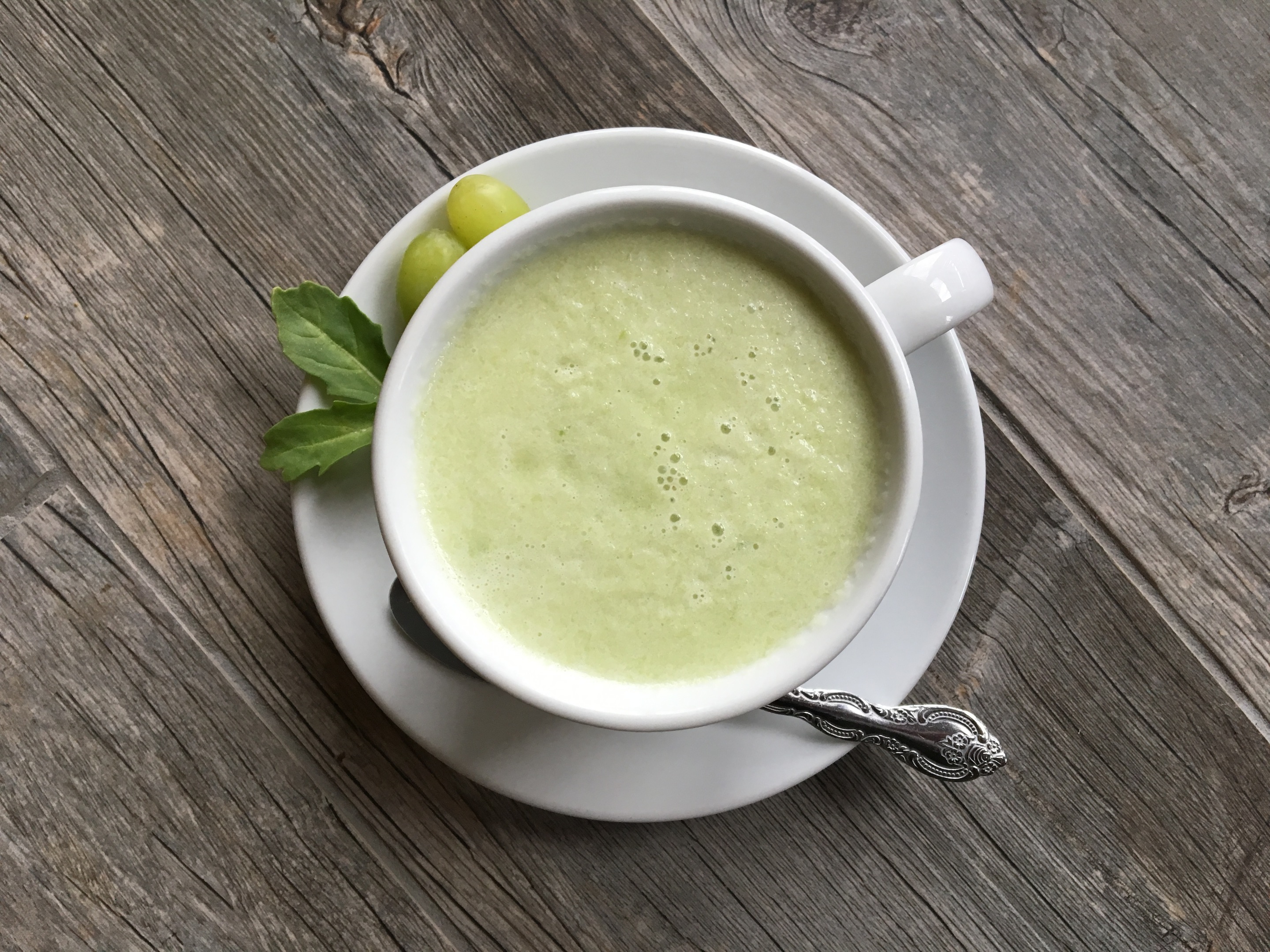
Peekamoose’s Cucumber Gazpacho

© J.N. Urbanski

Back in the day, Peekamoose Restaurant made this incredibly delicious cucumber gazpacho, which is no longer on the menu, that reminded me of England, where we love our cucumber in all its forms because it’s so refreshing. English cucumbers are different to the cucumbers that you find here in the US. They are lighter, softer, less dense and go well in smoothies. Years ago, Marybeth, the owner, once reeled off a list of ingredients for their gazpacho and the next day I tried to remember what they were. (I’d had a couple of drinks). After some experimentation, I believe I have mastered it. To continue the theme of giving the gut a spring clean, here’s another raw, vegan recipe that’s cooling, simple, easy and nutritious.

Cucumber Gazpacho

Three medium sized English cucumbers
Half cup of raw almonds
Half cup of water
10 grapes or half an apple
Three teaspoons of olive oil
Half teaspoon of salt
Half teaspoon of pepper

Continue reading

Taste Buds Gone Wild

© J.N. Urbanski

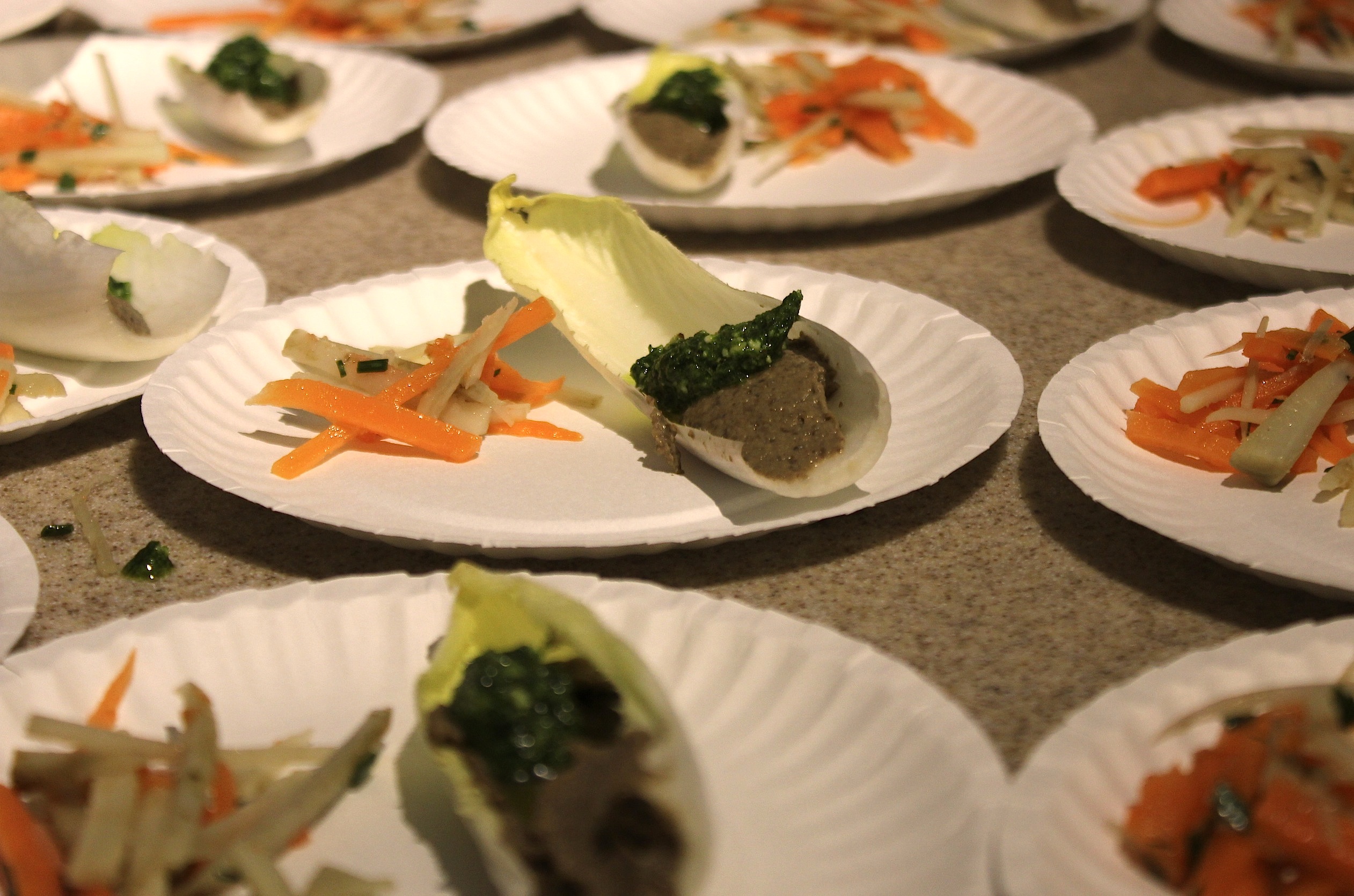
Last night, Rob Handel, chef at Heather Ridge Farm, impressed a large crowd packed into the Catskill Center with his knowledge on wild edibles and foraging. After conducting a talk on how to incorporate wild vegetables into our diet by producing tinctures, ferments and syrups, he brought out some delicious, earthy, wholesome food to taste that made the taste buds come alive.

Endive stuffed with porcini mushroom pate topped with ramp pesto accompanied by carrot, burdock root and garlic grass salad (pictured above).

A pickled milk weed pod

Forsythia Syrup with Soda

Nettle Soup

Some of the ingredients in last night’s tasting were foraged recently: forsythia is available now and ramps are coming up. The nettle soup was fresh and exquisite. Some ingredients were preserved; the pickled milk weed pod tasted like a larger, yet much more subtle, caperberry. The crowd was so large for this event, not only because Rob is so knowledgable, answering everyone’s follow-up – and non-follow up/general experience – questions with ease, but because wild edibles are becoming very popular. Gradually, people are turning away from traditional foods and taking a keen interest in the wildly diverse tastes of foraged herbs, funghi and vegetables that they can find on their property like garlic mustard, burdock, nettle leaf, sumac, dandelion, sheep sorrel, milk weed, porcini and more. This kind of rare, unusual – and FREE! – food excites the taste buds. Plus, it’s fun to forage. Rob recommended a few books, one of which was The Joy of Foraging by Gary Lincoff.

Peekamoose’s Ramen Bowl

© J.N. Urbanski

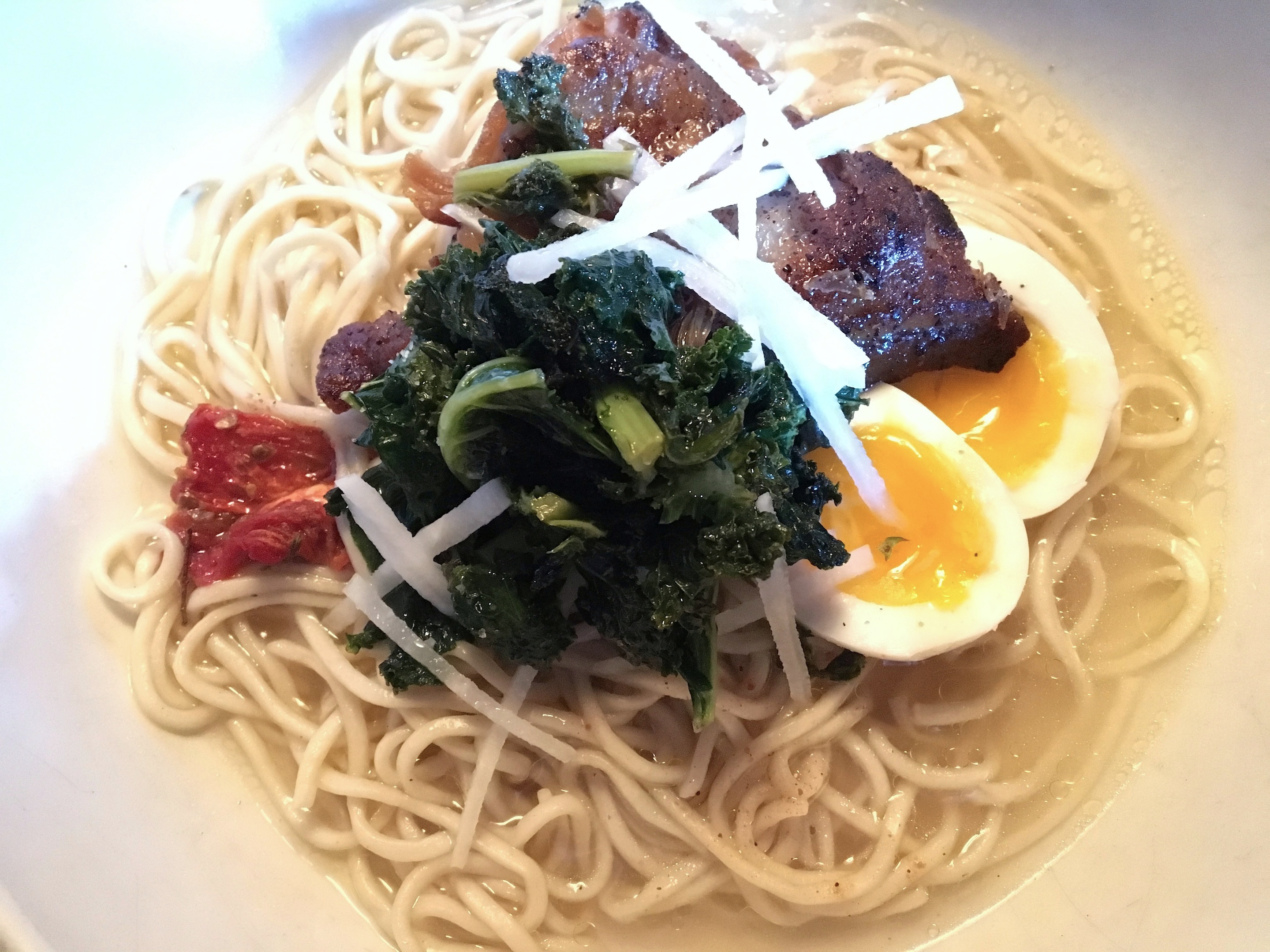
The new bowl on the block: the sensational ramen with braised pork at Peekamoose. Ramen can be too salty but not this one. House made noodles with a soft boiled egg, kale and some very tender braised pork, all in a mouthwateringly delicate chicken broth. Move over, charcuterie board, you are no longer the go-to. Wait, I didn’t mean that.

Catskills Restaurant Week: Ate-O-Ate at Union Grove

© J.N. Urbanski

It’s Catskills Restaurant Week this week and today, April 14th, is the final day. Last night’s dinner by Ate-O-Ate Food Truck catered at Union Grove Distillery was a choice of two delicious full course meals for $35 plus tax and tip. Drinks were separate.

Continue reading

Spring Links

© J.N. Urbanski

Letters to a Young Farmer is both a compelling history and a vital road map – a reckoning of how we eat and farm; how the two can come together to build a more sustainable future; and why now, more than ever before, we need farmers”. And:We are about to witness the largest retirement of farmers in U.S. history. There are now more farmers over the age of 75 than between the ages of 35 and 44″.

A story with a happy conclusion – an urban farmer saves his “gangsta garden”.

An article on how to combat ticks around your property.

The New Farmer’s Almanac Volume III from The Greenhorns, “360 pages of original agrarian content, essays, cartoons, imagery and historical snippets—harnesses the wisdom of over 120 contributors from our community of new farmers and ranchers”.

Will our senator, farm-friendly Kirsten Gillibrand run for President?

The US military “marches forward on clean energy”. New York State sees an 800% growth in solar power according to CNBC. On solar power and renewable energy for new jobs; a new solar experiment in Brooklyn; Panasonic makes a new solar panel for Tesla.

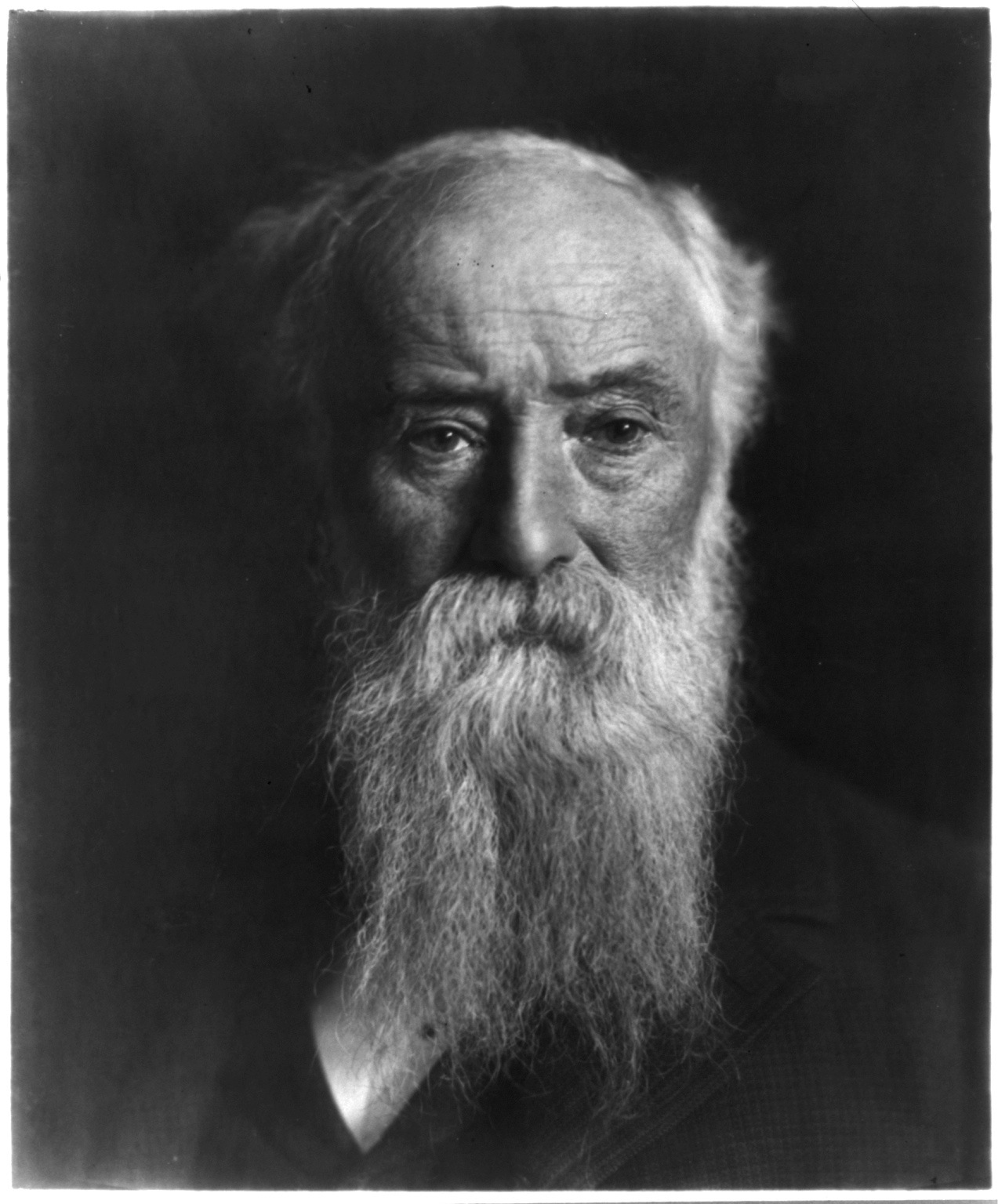
I have thought that a good test of civilization, perhaps one of the best, is country life.” John Burroughs

Spuds Gone Wild

© J.N. Urbanski

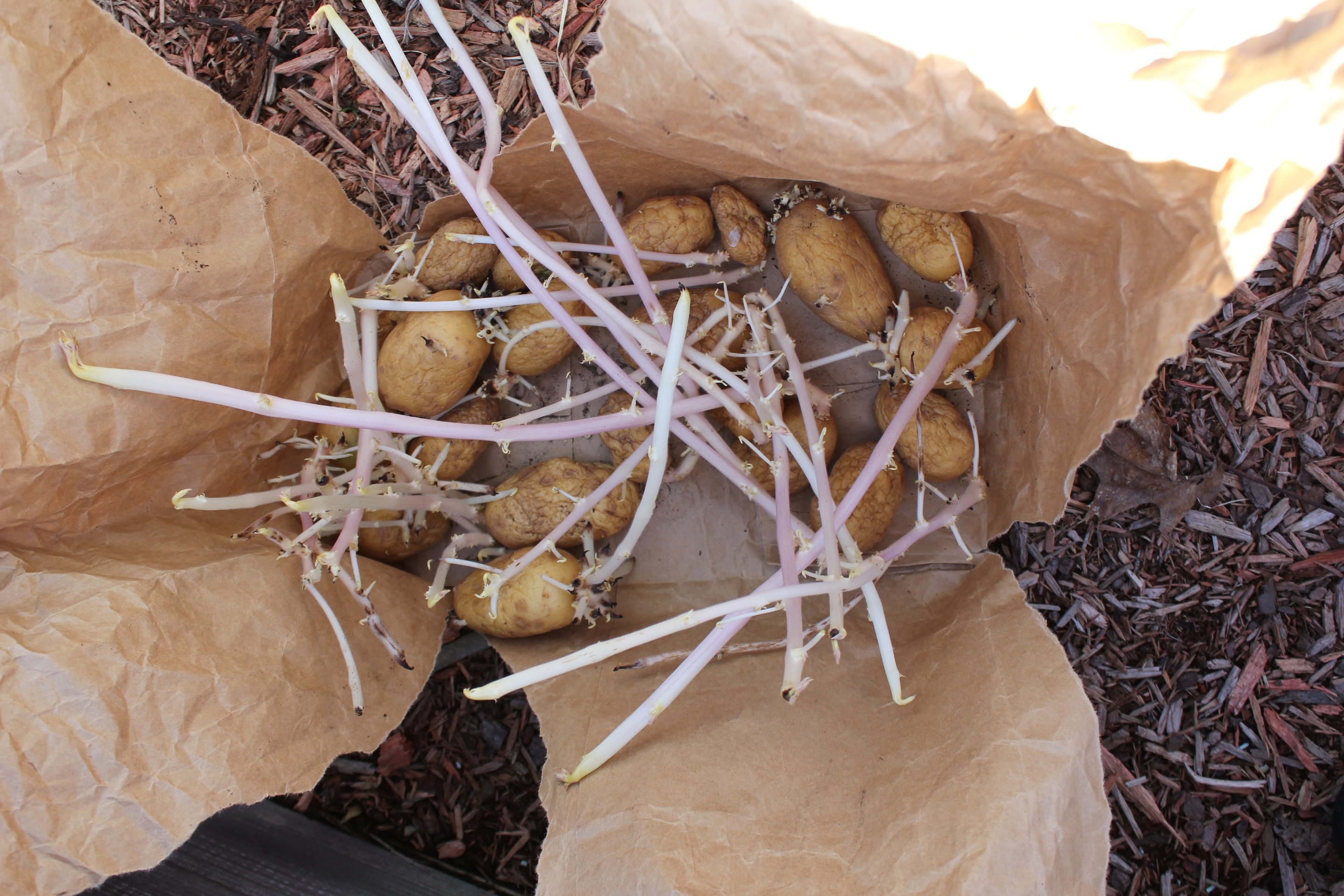
Seedling potatoes stored in a paper bag in the basement started shooting straw-like tubers over the winter. Apparently, this is a vegetational hazard; you’re supposed to check your spuds mid-winter. If they sprout you can add soil to the bag and plant them in spring. We’ll see if these spuds survive.

Continue reading

4th Annual Burroughs Catskill Mountain Community Day Lecture

Writer John Burroughs is a local legend. After a long and accomplished life, Burroughs moved back to the small cabin called Woodchuck Lodge on his ancestral home and is buried there. On Saturday, we commemorate his birthday with a Community Day Lecture at the Catskills Center.

John Jay Wadlin, a retired local attorney, will speak on the relationship between Burroughs and Alton B. Parker, the 1904 US Presidential Candidate (who lost to Teddy Roosevelt). Parker and his contemporary, John Burroughs, lived not far from each other in the Town of Esopus, NY. John explores the times and lives of these two important Americans.

Saturday, April 8th 2017 1pm at the Erpf Center, 43355 Route 28, Arkville, NY 12406. (Directions in link.)

Sponsored by John Burroughs’ Woodchuck Lodge, 1633 Burroughs Memorial Road, Roxbury, NY 12474.

Vegan Chocolate Oat Pudding

© J.N. Urbanski

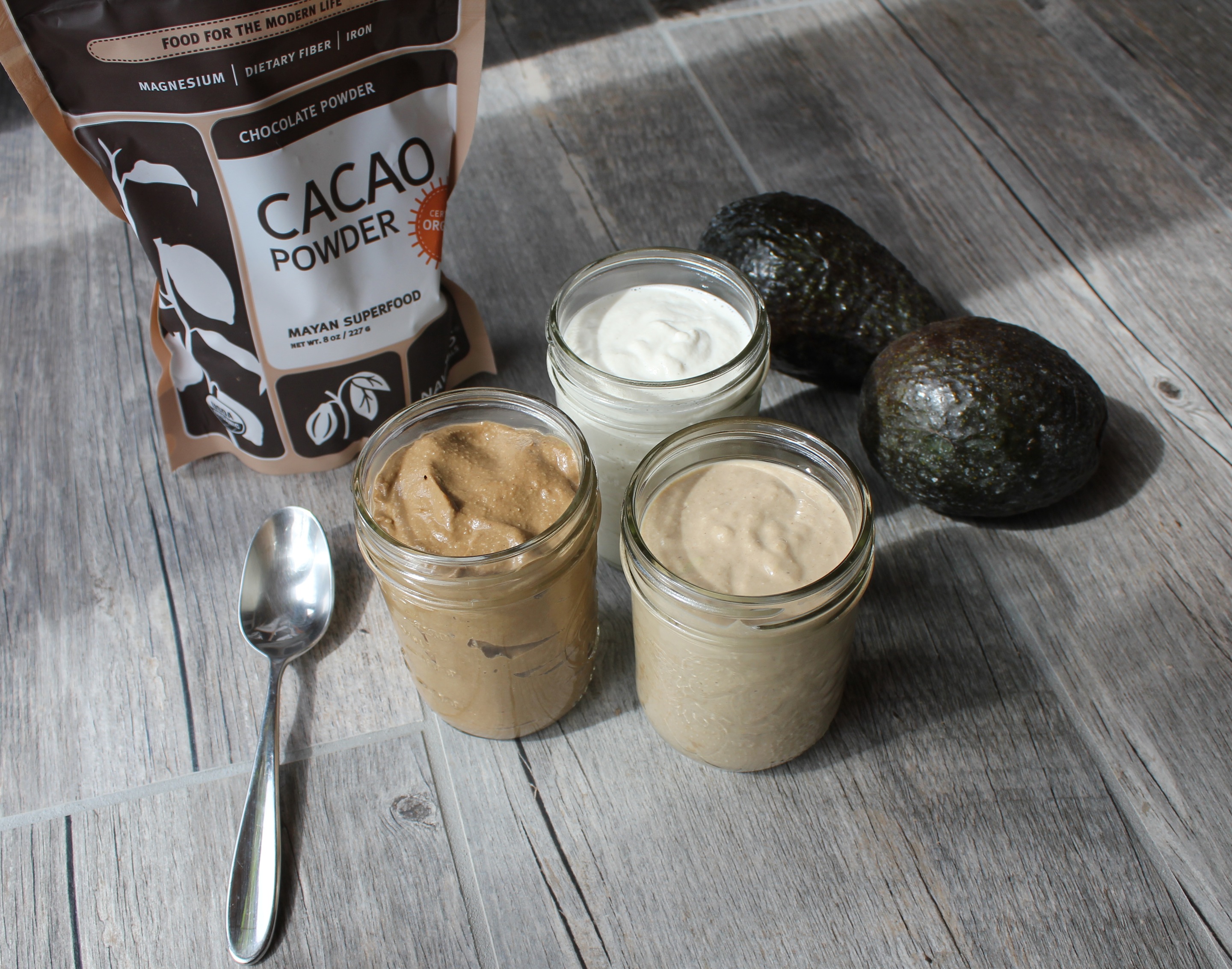
Here’s a highly nutritious breakfast that looks like a chocolate pudding made with raw oats, avocado and nuts that makes a good replacement for oatmeal or porridge, if you need that sort of thing for kids or other family members who dislike it.

Vegan Raw Chocolate Oat Pudding

1 cup of oats soaked overnight in water or almond milk
Half a cup of water (additional to what the oats are soaking in)
1 medium avocado (peeled)
2 heaped tablespoons of cacao powder or 1 heaped tablespoon of cocoa
2 tablespoons maple syrup
1 heaped tablespoon of cashew cream (for recipe see previous post)
1 heaped tablespoon of almond cream (see below)
Chopped dried apricots or sugared fruit to garnish

Continue reading

Vegan Pudding

© J.N. Urbanski

Sometimes it’s your gut that needs a spring cleaning. I recently learned that juicing is not that good for you, that doctors feel it’s preferable that you eat all the fibre too, otherwise you’re just drinking a load of sugar-water. Allegedly, when you eat the whole fruit, the gut is lined with insoluble fibre that allows the rest of the fruit to pass through and reach your lower intestine where it’s munched on by beneficial bacteria. There have been many dodgy dietary practices in the past, but I don’t think eating more whole fruit, whole vegetables and nuts is one of those bad ideas that we’ll examine in the future and say, “what were we thinking”? Furthermore, cooking food destroys many of that food’s nutrients, so nutritionists recommend overnight soaking of nuts and grains instead. In this spirit, a small fortune has been spent at a local vegetarian supermarket to fill the fridge with homemade vegan and raw sauces, milks, puddings and butters to go in pancakes, cereals, egg dishes, soups, stews, casseroles and more. But first, the most important: pudding. I’ve been working a raw, vegan chocolate oat pudding for kids, but it’s not ready yet. Watch this space.

Cashew Cream

Take a cup of cashews, put them in a mason jar and cover with water until the water is about a quarter-inch above the cashews. Soak overnight and in the morning pour the whole jar into the blender and purée the mixture for two minutes. The mixture should thicken after you’ve finished blending.

Vegan Chocolate Mousse (serves two)

Two medium avocados
1 cup of water
2 tablespoons cashew cream
Half a cup of soaked cashews
2 tablespoons of cacao or cocoa powder
1 tablespoon maple syrup
Sugar ginger (for garnish)

A lot of experimentation went into this one to get it right. You don’t want the pudding to end up too thick or you won’t be able to blend it, but you don’t want to add too much water, otherwise it’ll get runny. To soak the cashews, cover half a cup of cashews in a mason jar with water overnight to soften. Don’t drain or discard the water. Finely chop the avocado and put with the other the ingredients (except the ginger and the cup of water) in a food processor – I used a Nutri-bullet – and blend for a few minutes until smooth. If the mixture is too thick you can add some of the water, but it’s better to add the water incrementally to avoid it coming out too runny. If you do end up add to much water, add a tablespoon or two of cashew cream or some more avocado. Refrigerate until cool and serve with sugared ginger garnish.

Shroom Prep

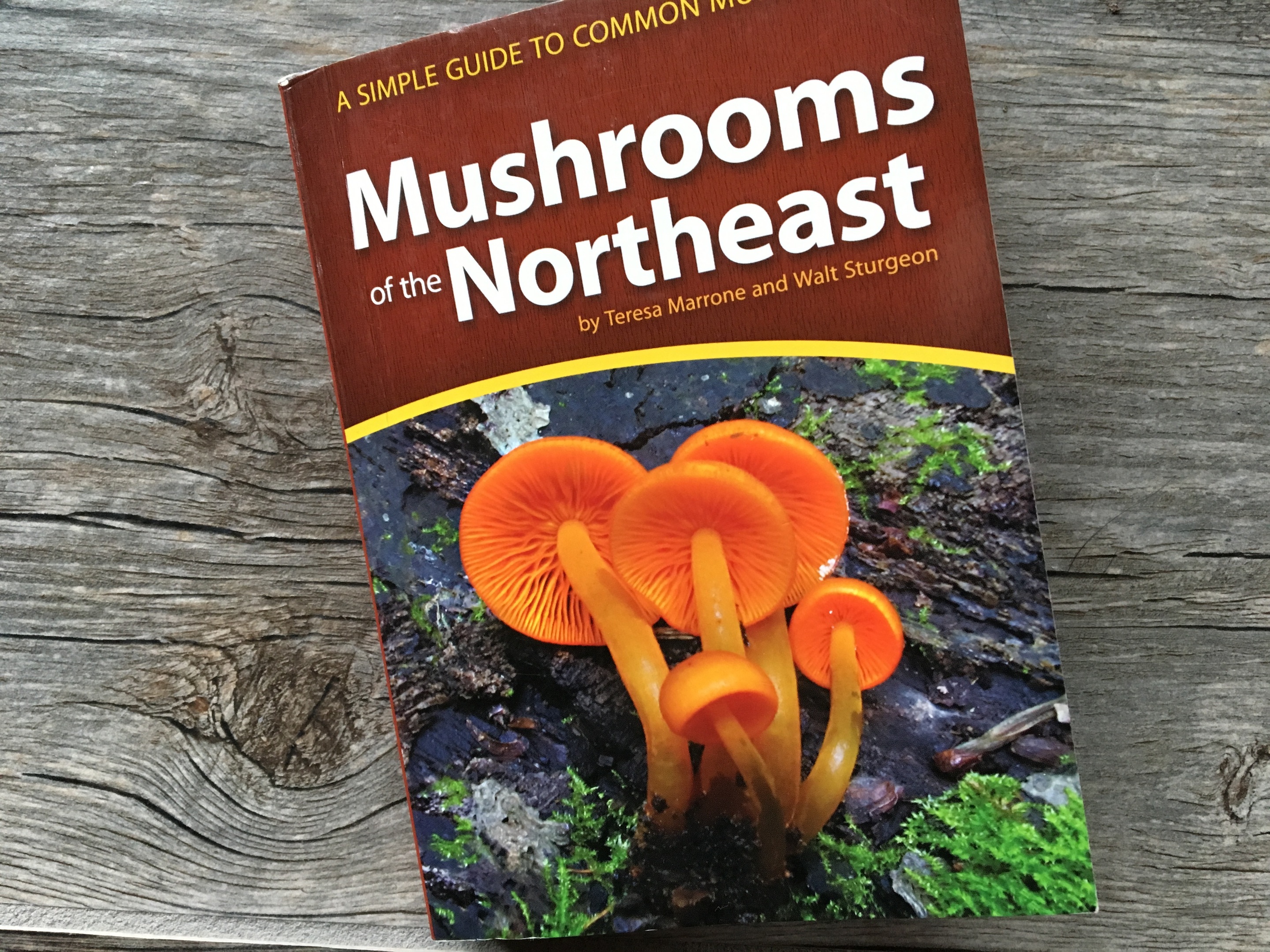
A bit of homework: this handy beginner’s guide to mushrooms of the North East teaches the beginner how to take the first step in making positive identifications. It can’t hurt to swot up early: last year, I found a small crop of Bolete on my property and made a mushroom gravy with them. I had no idea at the time that they were King Bolete, forming a symbiotic relationship under a conifer tree and a coveted mushroom in the foraging world, up there with chanterelles, black trumpet and oyster mushrooms. The Bolete were as big as my foot and tasty. A neighbor down the hill found some huge puffballs at the time.

Authors Walt Sturgeon and Teresa Marrone take pains to state that their simple guide is only the beginning of your foraging career. The book is very easy to read because the mushrooms are sorted by appearance with very good, clear photographs. Some of the mushrooms appear with their poisonous look-a-likes and color-coded references. For example, Chanterelles can easily be mistaken for poisonous Jack-o-Lanterns. There’s a great deal to learn about mushrooms but this tiny guide is an excellent teacher.

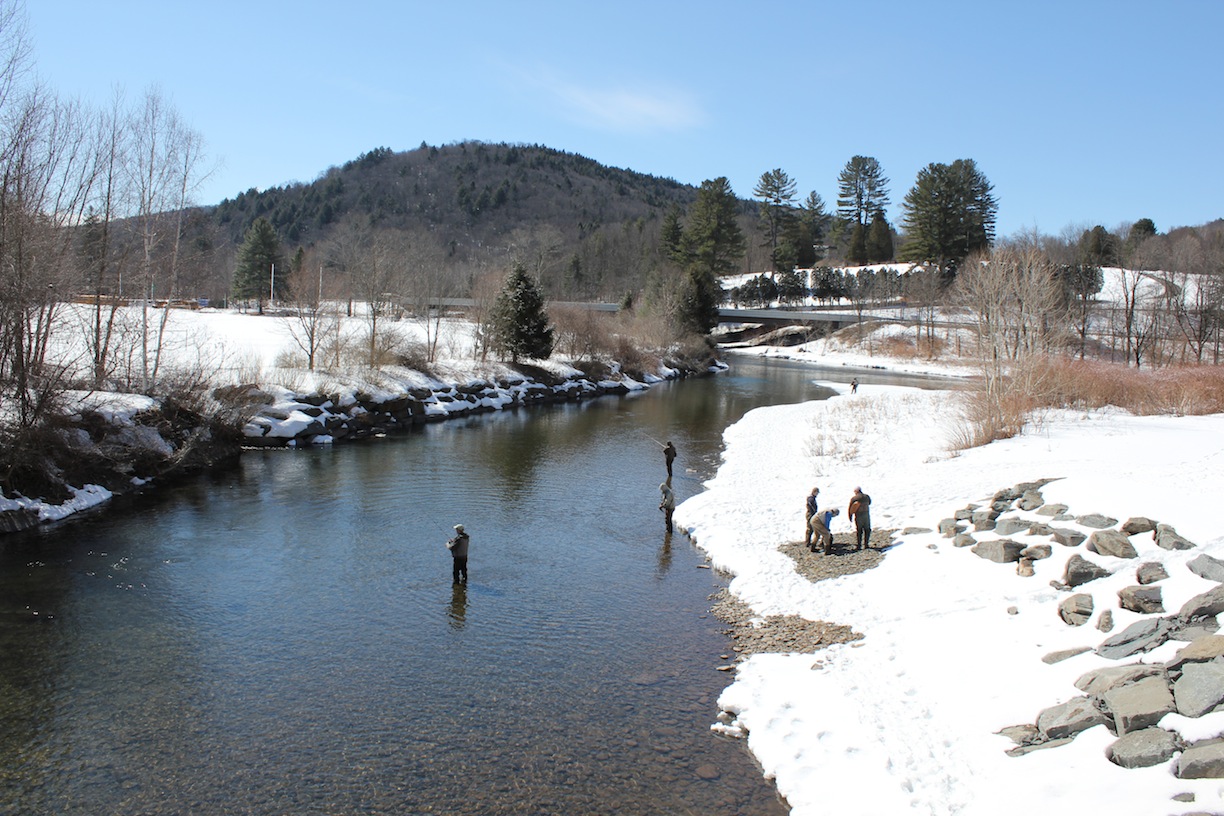
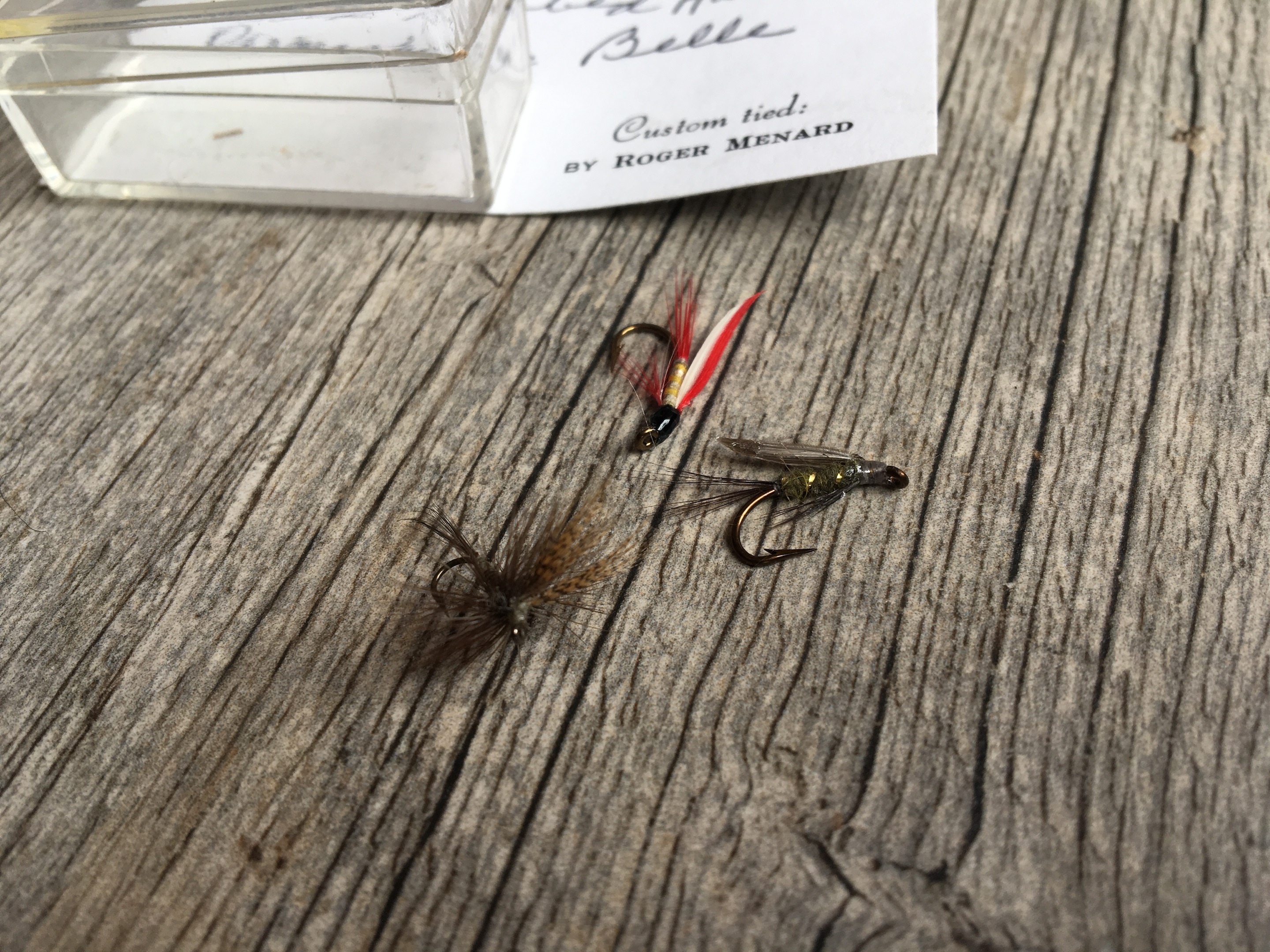
Fly Fishing: Roger Menard’s Tale of the Esopus

© J.N. Urbanski

This week I interviewed Roger and Lisa Menard on the subject of fly fishing and Roger read the remarks that he gave to the Angler’s Club of NY in New York City in November 2009 on fishing the River Esopus. Here’s the full transcript:

The Esopus The Way It Was by Roger Menard

It has been nearly fifty years since Keith Fulsher and I were invited to the Angler’s Club to show a film I had taken of Keith tying streamer flies. On that evening I had the pleasure of meeting Guy Jenkins, a correspondent and friend of Theodore Gordon, the father of the dry fly in America. Since I had previously met both Roy Steenrod and Herman Christian, for me this completed meeting Gordon’s circle of friends.

Continue reading

Weekend Links: 03/23/17

© J.N. Urbanski

Saturday March 25th, Trout Tales: All Things Fly Fishing at Spillian in Fleischmanns.

Saturday March 25th, The Tanning Industry and How It’s Changed at the Catskill Interpretive Center in Mount Tremper.

Saturday March 25th, Designing with Native Plants at the Phoenicia Library.

Saturday March 25th, Childrens’ Art Workshop at MURAL on Main, 631 Main Street in Hobart, NY. Students aged 6-12 will learn about using color in art and then create their own cray-pas on canvas painting. All necessary materials and instruction will be provided and creativity will be encouraged. The cost for this workshop is $5 and sign up is available through the workshop page on the MURAL website or by calling the gallery at (607) 538-3002.

If you’re a landowner and wish to lease your land to farmers, here’s a workshop running on April 1st in Delaware County and April 8th in Otsego County, that might be useful from CADE, the Center for Agricultural Development & Enterpreneurship.

Buses converted into mobile grocery stores for low income neighborhoods: a great idea for the Catskills.

Thirteen things I learnt as a market farmer, from Women Who Farm.

Old books converted into art and sculpture.

Main Street Boot Camp

Sign up for Main Street Bootcamp, on April 3rd and 4th, a two-day conference filled with workshops, panel discussion and “side cafes” focussed on how to generate local solutions for the issues facing our business community and Main Streets. Run by the MARK Project and sponsored by O’Connor Foundation, Catskill Watershed Corporation, NY State Department of State and NYS Homes and Community Renewal, American Express, and WIOX Radio, attendees will look “for local solutions to local problems”. Join in and have your say in the beautiful setting of Andes, 110 Main Street, Andes, NY 13731. $40 fee includes food.

Fly Fishing

© J.N. Urbanski

Two years ago, I wrote about Fly Fishing here on Upstate Dispatch on April 1st, the official start of trout season in the Catskills, when I reported from Junction Pool. I began with the following gorgeous quotation from Norman McLean that warrants repeating here:

“…. but when I’m alone in the half-light of the canyon, all existence seems to fade to a being with my soul and memories and the sounds of the Big Black Foot River and a four-count rhythm, and the hope that a fish will rise. Eventually all things merge into one and a river runs through it. The river was cut by the world’s great flood and runs over rocks from the basement of time. On some of the rocks are timeless raindrops. Under the rocks are the words, and some of the words are theirs. I am haunted by waters.”

Continue reading

Food & Health Links

© J.N. Urbanski

Biodynamic farming is on the rise wherein farmers integrate their crops and animals. “I’m trying to feed my neighbors – and if everyone did that, we would be able to replicate this,” says one California Farmer.

The National Audubon Society’s Field Guide to Mushrooms by Gary Lincoff, as recommended by writer Laura Silverman.

A brief article about Lyme from NPR. A local event focussing on Lyme at Table on Ten in Bloomville. Another good article about Lyme research from NPR here. Note that these experts say that most people are bitten while gardening because ticks lurk in their hedgerows.

Sound advice from the National Audubon Society on keeping ticks at bay.

Pure Catskills brochure is an excellent guide to farm stands, markets, farms, restaurants, stores, producers and much more in the Catskills: an invaluable resource.

It’s maple season: find our list of maple syrup sellers and producers here in the Catskills and some of the beautifully designed packaging makes these products excellent gifts. Maple syrup is vegan and packed full of vital nutrients.

Weekend Links: 02/23/17

© J.N. Urbanski 1.50pm

Weekend camping resets the body clock, says the BBC.

Saturday February 25th: A group reading of Macbeth with beer at Reynolds & Reynolds in Woodstock.

Cosmik Ice Cream, maker of freeze-dried ice cream that will never melt, visits Woodchuck Lodge. In these temperatures, nothing is melting up here, but for us trustees of Woodchuck Lodge, this is lovely publicity.

Governor Cuomo pledges $8 million in state funds for Belleayre Ski Resort.

Woodstock Farm Festival looking for vendors.

The Catskills’ own Lisbeth Firmin’s talk “Painting and Prints” on March 17th at William & Ida Friday Center for Continuing Education in North Carolina.

Catskill Center is accepting applications for the Platte Clove Artist in Residence Program.

Catskills Pie: Zephyr’s Chicken Pot Pie

© J.N. Urbanski

The Zephyr in Pine Hill is a meat-and-potatoes restaurant in the metaphorical sense that it offers all the fundamental, everyday dishes without the stodge: very generous portions of hearty staples that aren’t overwhelmed by heavy sauces or congealing in butter. (They do offer some vegetarian and vegan options). Zephyr’s dinners are your regular squares with extra care: refreshing versions of your favorite meals. The “deconstructed” chicken pot pie consists of a lot of braised chicken in a gorgeous pan sauce tumbling over a hill of creamy mashed spuds, all topped with a wedge of puff pastry. The advantage here is that you can pick up the crust and dip it in the gravy. If you’re not used to eating such huge portions, this dish passes the overnight test and came out of the fridge the next morning ready to put in a sandwich, the chicken and mash having retained their softness without being fatty.

For a leftover chicken sandwich, cut the chicken chunks lengthways into small slices; butter two pieces of toast and lay the chicken on both slices of toast. Put the mashed potatoes into a small milk pan with a small knob of butter and mash with a fork until warm. Pile the mashed potato on top of the chicken and close the sandwich. Use the leftover gravy to dip the sandwich in. Delicious.

The Zephyr, 302 Main Street, Pine Hill, NY 12465.

Recipe: Golden Milk

© J.N. Urbanski

All the things I love and consume regularly like caffeine, chocolate, alcohol and sugar all take a toll on the body; this is especially so if you’re obsessed with tea and have to drink it around the clock. I love a hot toddy or mulled port in the evening by the fire, but If you’re looking for a fragrant winter beverage that is healthful and tasty, try Golden Milk, which I discovered last week at an event at Spillian, where Liza Belle was simmering a pot of the milk on the stove while teaching a group how to make fire cider. This milk will provide a comforting winter warmer with some seriously beneficial ingredients, sweetened with maple syrup, which you can find at presently bustling sap houses all over the region.

Golden Milk
Serves Two

2 cups of coconut milk, oat or almond milk
1 tablespoon of grated turmeric root
2 tablespoons of grated, fresh ginger root
I tablespoon of powdered turmeric
2 cinnamon sticks
1 tablespoon of maple syrup
1 pinch of ground nutmeg
1 teaspoon of ground cinnamon

Mix together all the ingredients in a pan and gently bring to the boil while stirring continuously with a wooden spoon. Simmer gently on a low boil for about twenty minutes while stirring.

By all accounts, turmeric appears to be one of those miracle foods like Manuka honey or raw cranberry. I know a family member devoted to The People’s Pharmacy who swears by turmeric for burns. In fact, years ago she looked up a remedy for burns online and was instructed to put a popular brand of mustard on a severe burn and cover the area with a bandage. Hours later all traces of the burn were gone and it wasn’t until years later she discovered it was the turmeric used to color the mustard that worked the magic. I have a friend who is drinking turmeric beverages every morning and reports that her memory seems to be improving. A quick search of WebMD reveals that the spice is “believed to have anti-inflammatory, antioxidant, and perhaps even anticancer properties” and “several studies suggest that it might ease symptoms of osteoarthritis and rheumatoid arthritis, like pain and inflammation”. An ancient Indian recipe calls for turmeric and honey in warm milk for cold symptoms and that’s worked for me in the past.

Powdered herbs and spices will keep for a while, but if you want to keep the actual roots of ginger and turmeric but don’t use them that often, you can store them in the freezer and grate them directly into the recipe while you’re preparing a dish. The grated root will thaw immediately once in a warm soup, sauce or drink but won’t be overcooked.