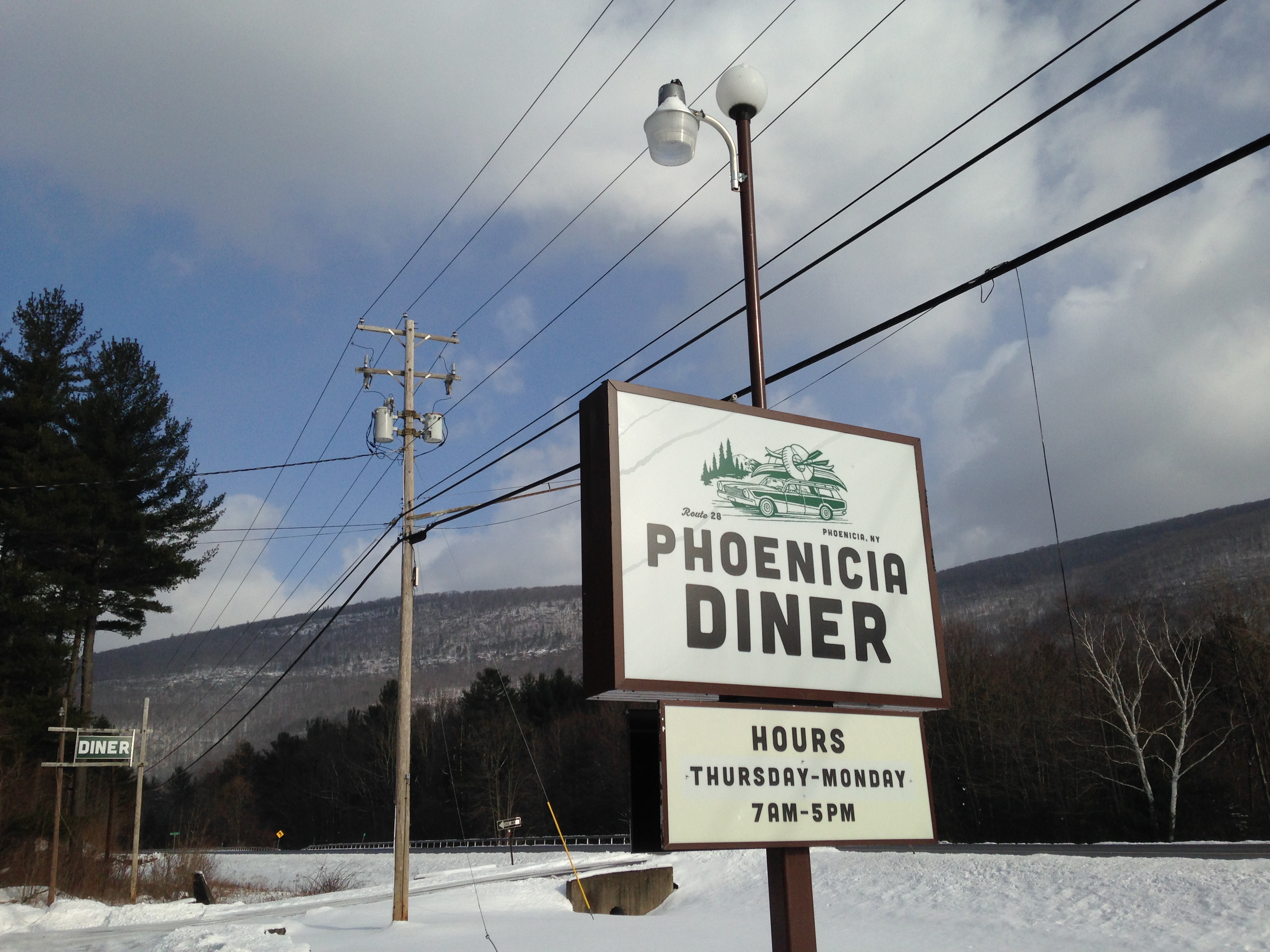
If the most excellent Phoenicia Diner gets any hotter it will start sizzling such is the expanse of its popularity, having been featured everywhere recently in publications like Conde Nast Traveler, Vogue, Elle and my country’s Daily Mail and Telegraph. I told Mike Cioffi, the Diner’s owner, that he could put ten diners up and down Route 28 and they would still be full to bursting every weekend. I’m sad to say that I’m severely behind in my New Year’s Resolution of eating my way through the outstanding menu and am usually banging my head against the desk on Mondays when I look at my watch and realize it has closed until Thursday.
Category Archives: Country Life
The Pixies at Ommegang Brewery
Co-incidentally, neither can I imagine a better way to kick off Memorial Day weekend than with a cold beer and a Pixies concert under the stars on the back lawn of Ommegang Brewery in Cooperstown, New York. Buy tickets here.
Wild Edibles: Spruce Tips
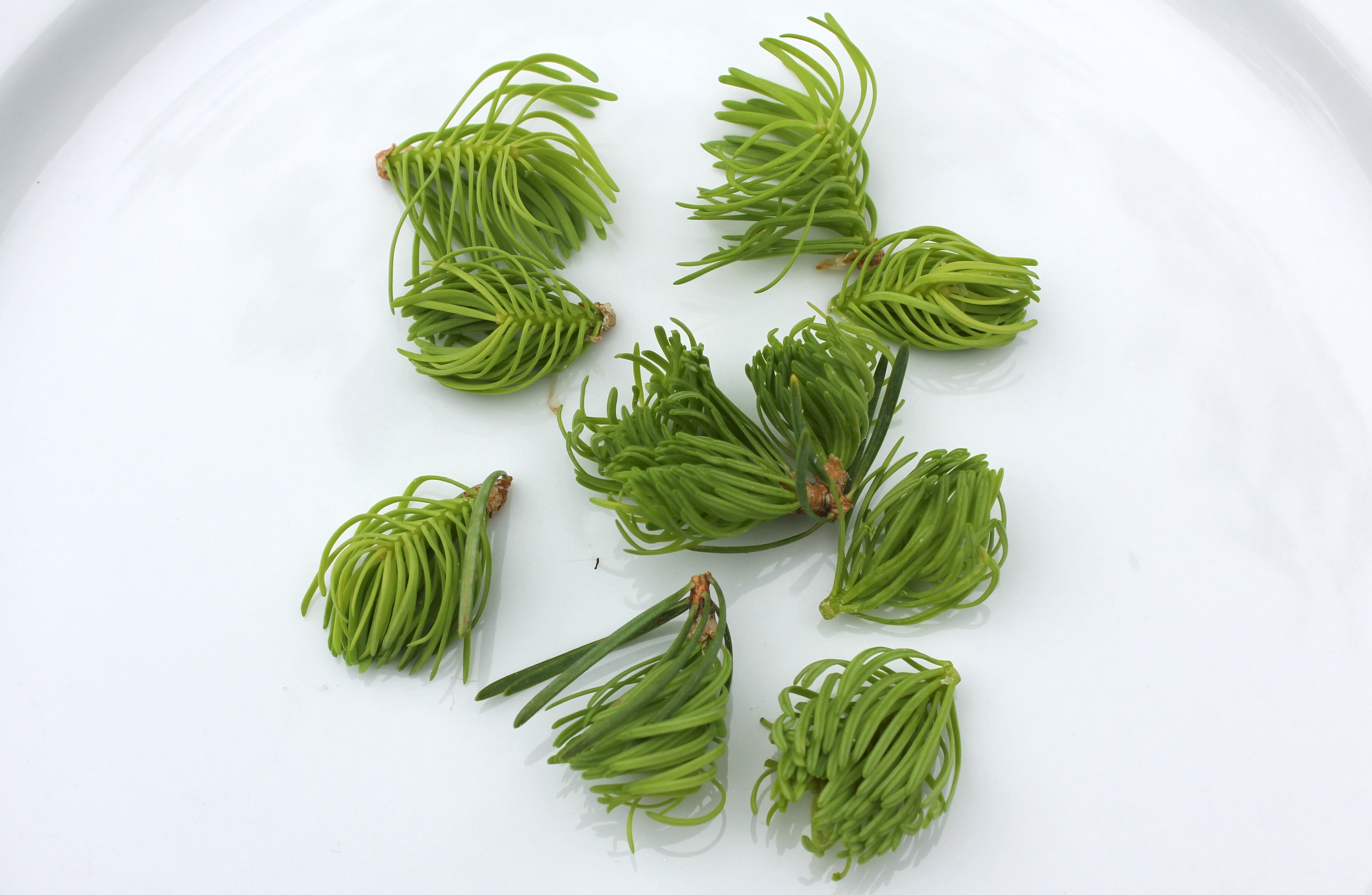
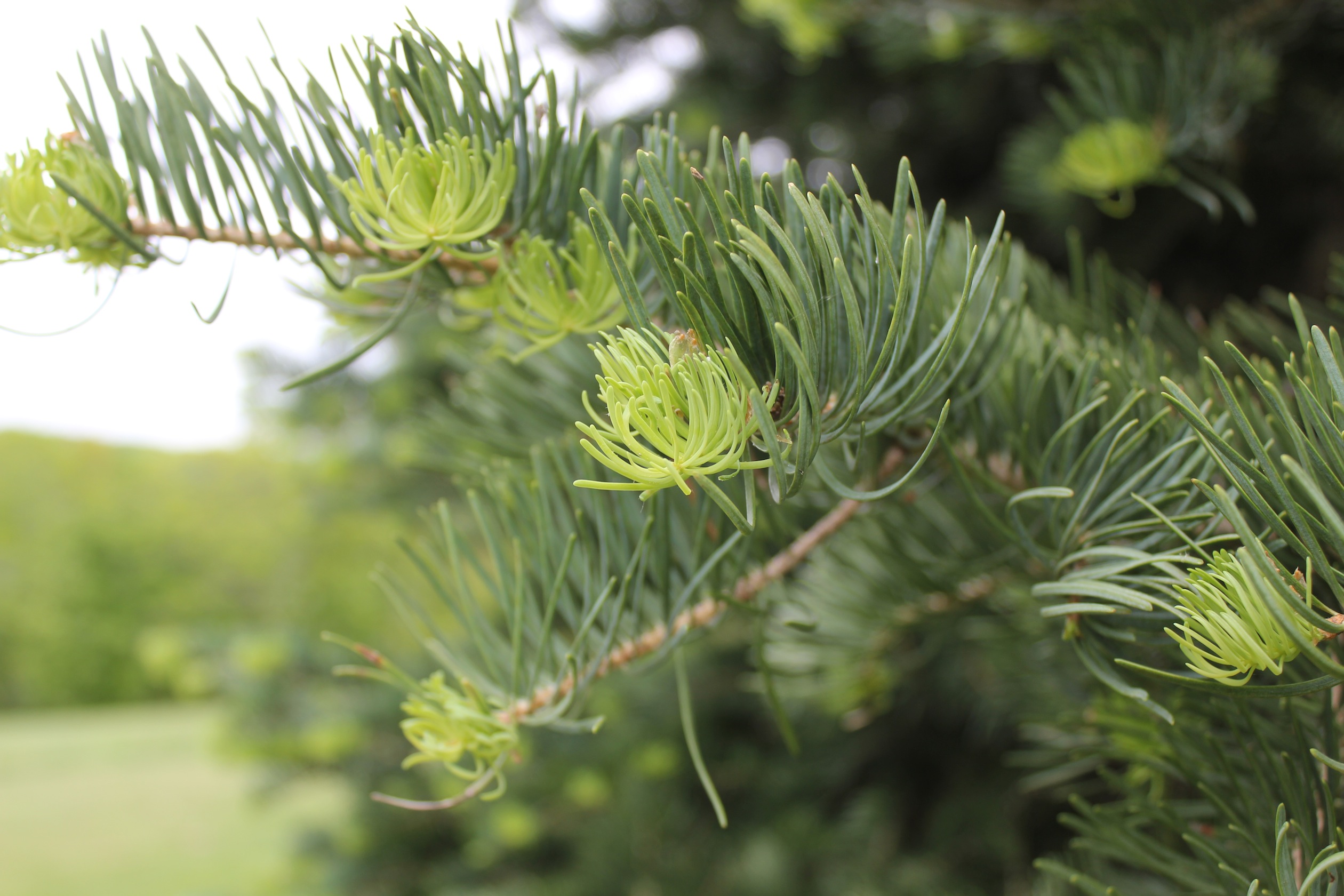
I am told by my pal, Laura Silverman, that spruce tips are ready to go. They are the brilliant green shoots that unfold from growths at the ends of the spruce spindles in May. They are much a much brighter green than the needles on the spindle and stand out in stark contrast to the tree itself. Snip the green shoots off and eat raw; they are packed with chlorophyll and Vitamin C. The aroma of only one of these little shoots is sensational. Literally spruce up a living room, pocket, bag or underwear drawer. They freeze well, so you can get your Vitamin C in the winter too. You can make tea, use in soups and salads. You can also crush them and make a pesto like you can with the garlic mustard. Recipes will be forthcoming over the weekend.
Farm to Belly: Asparagus & Sheep Sorrel
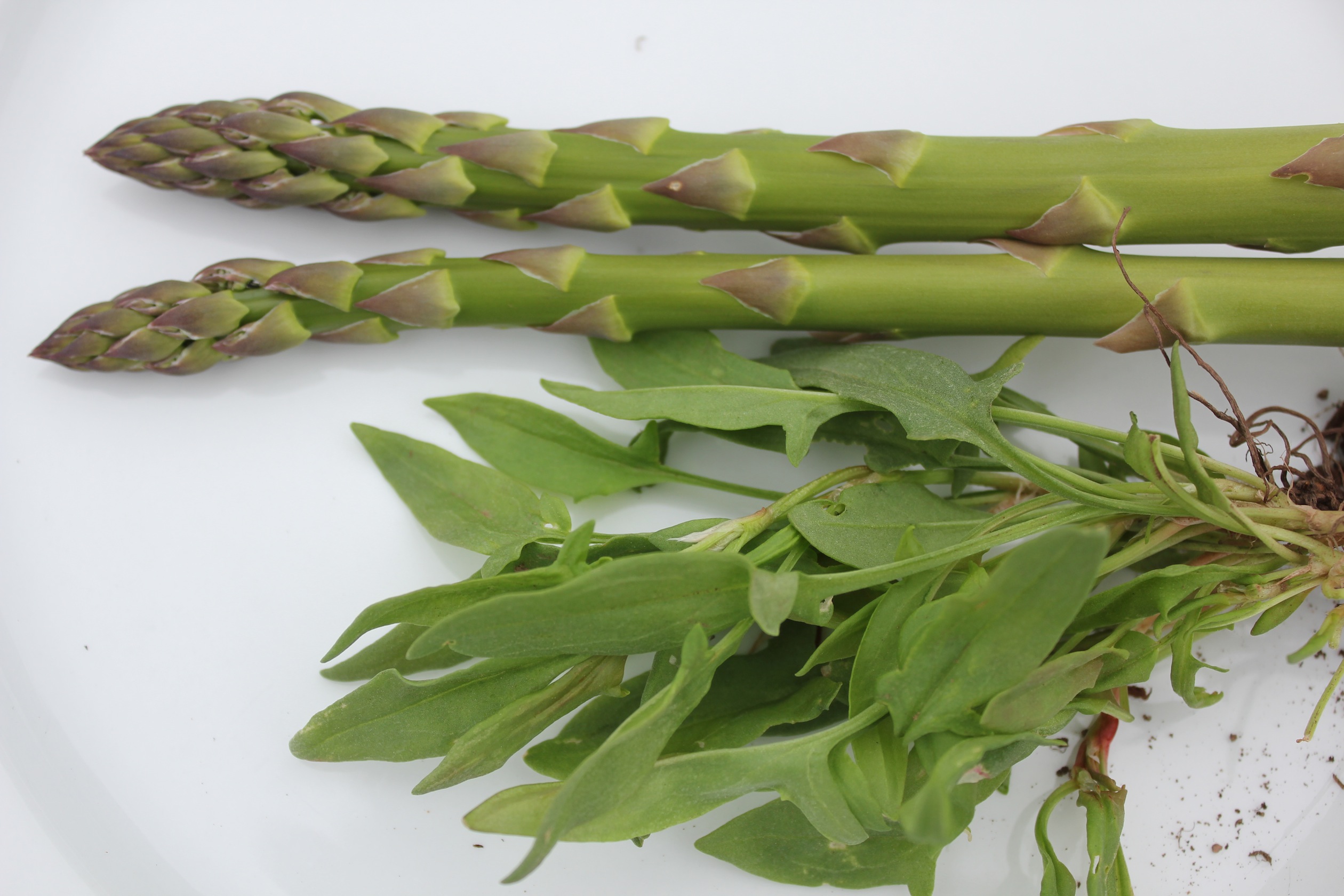
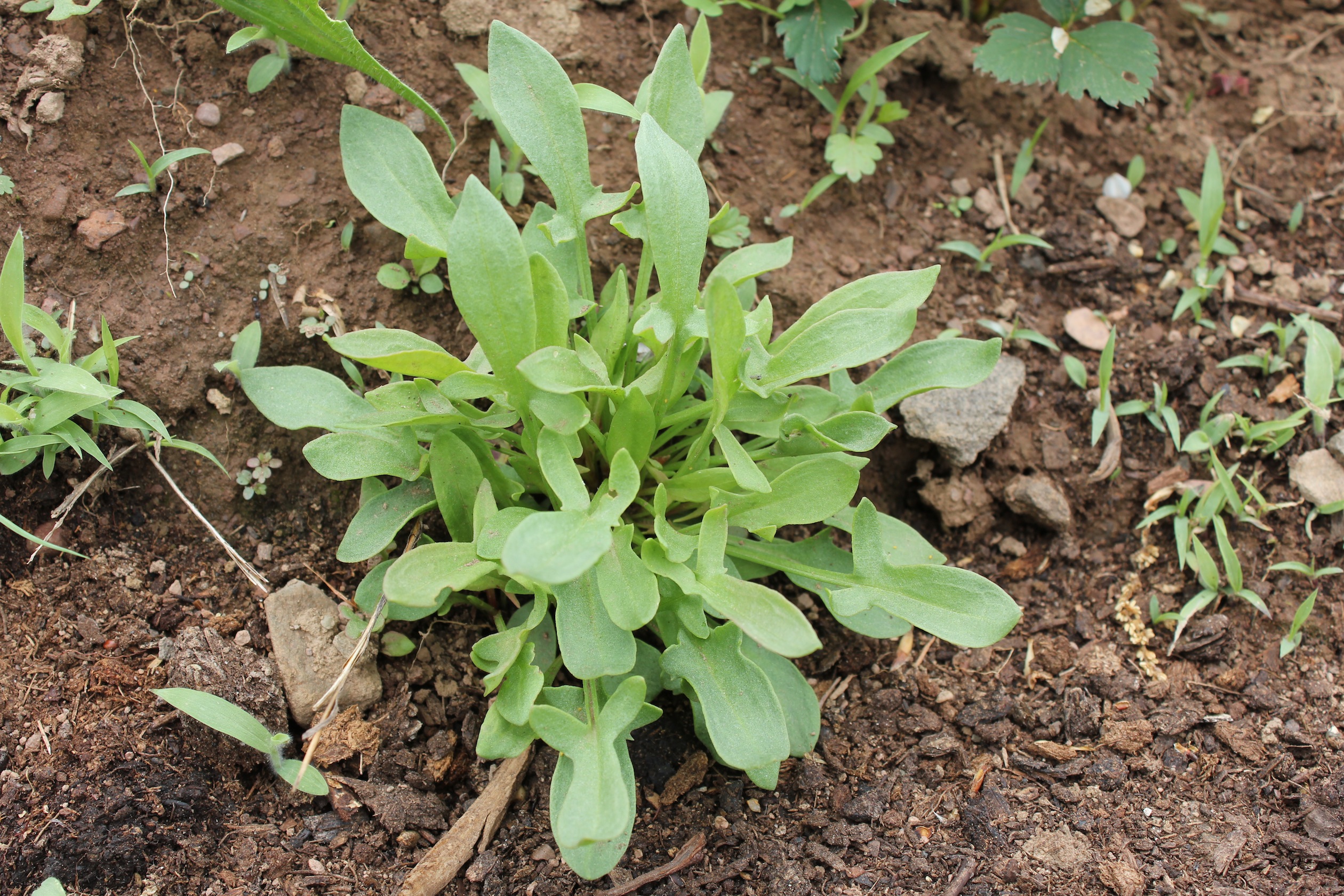
Straight out of the ground and into the belly: a powerful organic, raw, vegan lunch and you don’t even need a plate much less a table. The tomatoes may have been endangered by last night’s frost, but the sheep sorrel which grows in the asparagus bed is a hardy little plant. Sheep sorrel is an edible weed that has the texture of spinach with the tasty tang of lemon, which makes it perfect for soups. It wilts quickly once picked, so it’s best just to eat it raw with some juicy asparagus. Sheep sorrel has an arrowhead leaf and grows in a rosette formation.
Weekend Links
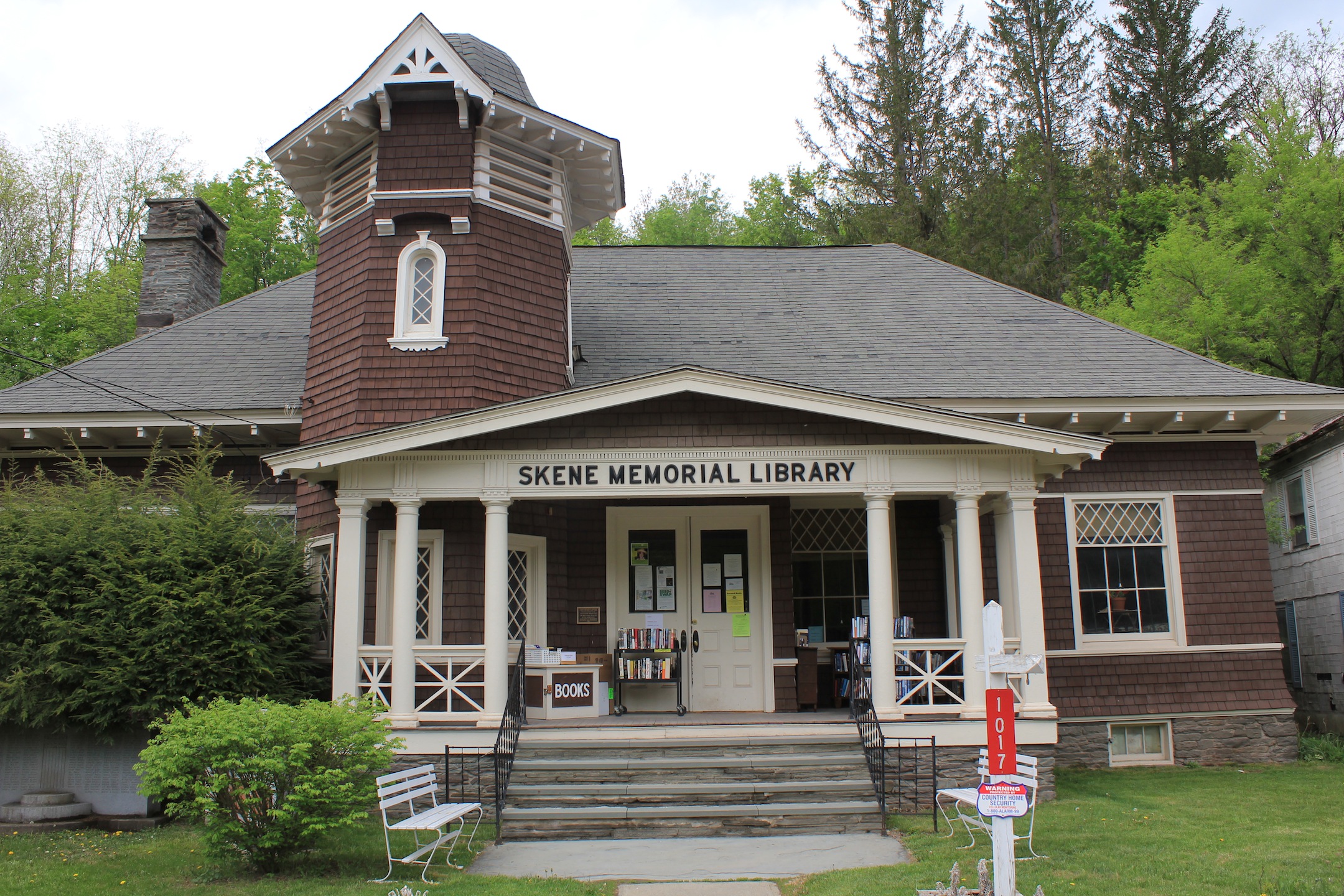
Seed Swap at local libraries from April 1st to June 1st in Delaware County, publicised by Transition Catskills.
If you didn’t have time nor space to nurture seedlings this past harsh winter, the Catskill Native Nursery will have it for you. They are hosting the Annual Seedling Sale at the Wildflower Festival this weekend.
For next weekend: get recycled furniture and doors for your new country digs at the Western Catskills Revitalization Council which “provides homeowners and builders with unique, affordable materials for home improvement projects”. The nonprofit organization is “dedicated to improving housing, community revitalization, and economic development in Delaware, Greene and Schoharie counties”. Open to the public on Fridays (10-4pm) and Saturdays (10-3pm).
Spring Shoots Update
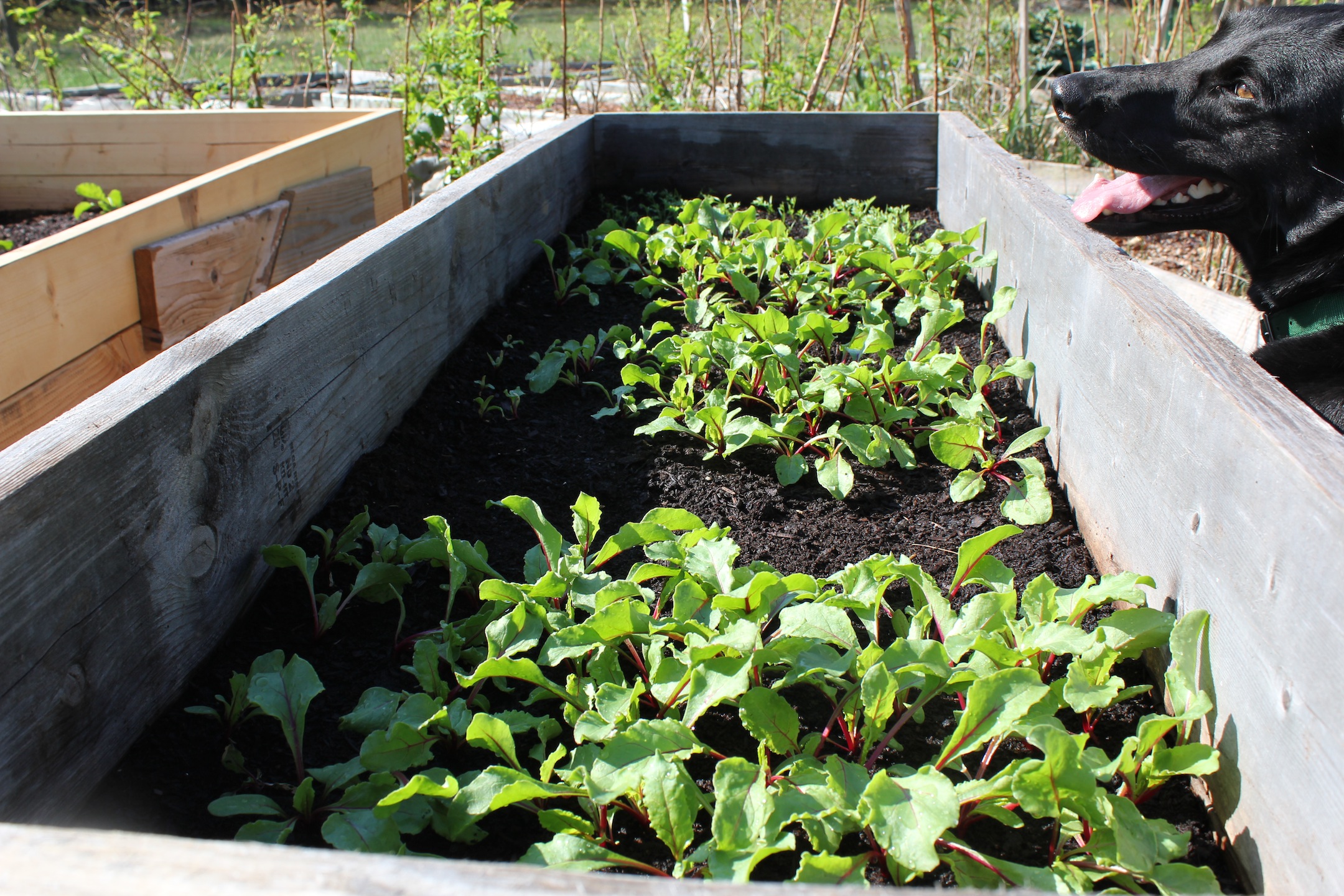
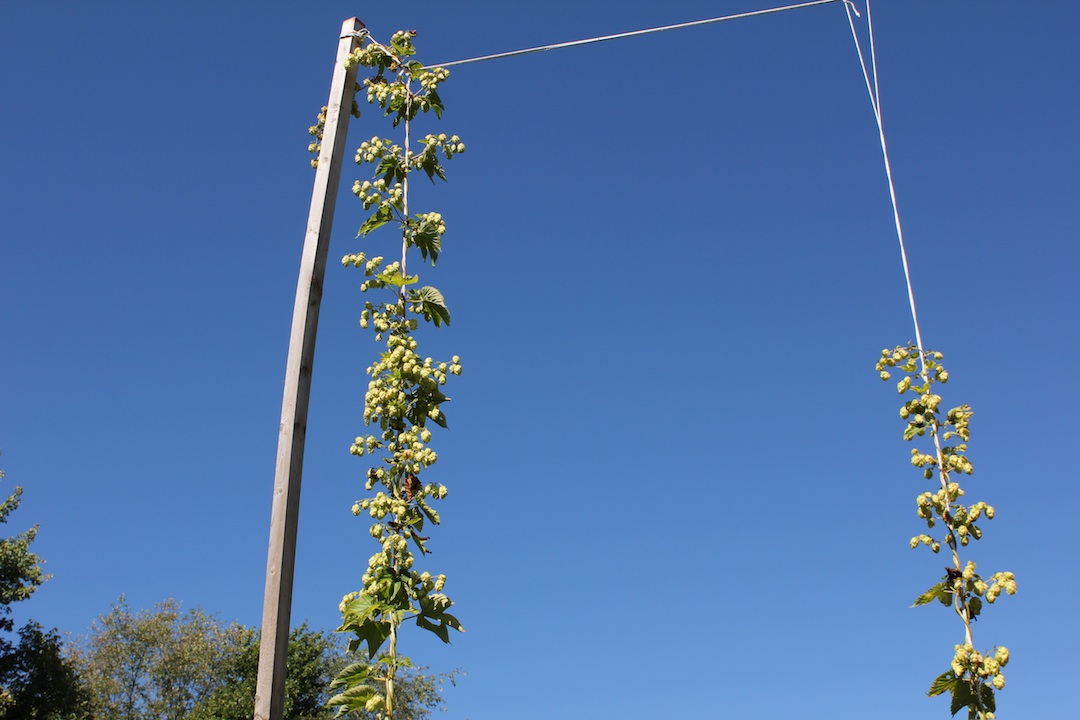
Green shoots are emerging from the raspberry sticks; the beetroot is flourishing; the cauliflower is shooting; the asparagus is prolific, as is the rhubarb; the hops are hopping, but the spuds and blackberries have yet to emerge. The dog is already too hot and has dug a mud hole under some equipment. His home for the summer.
Asparagus Update
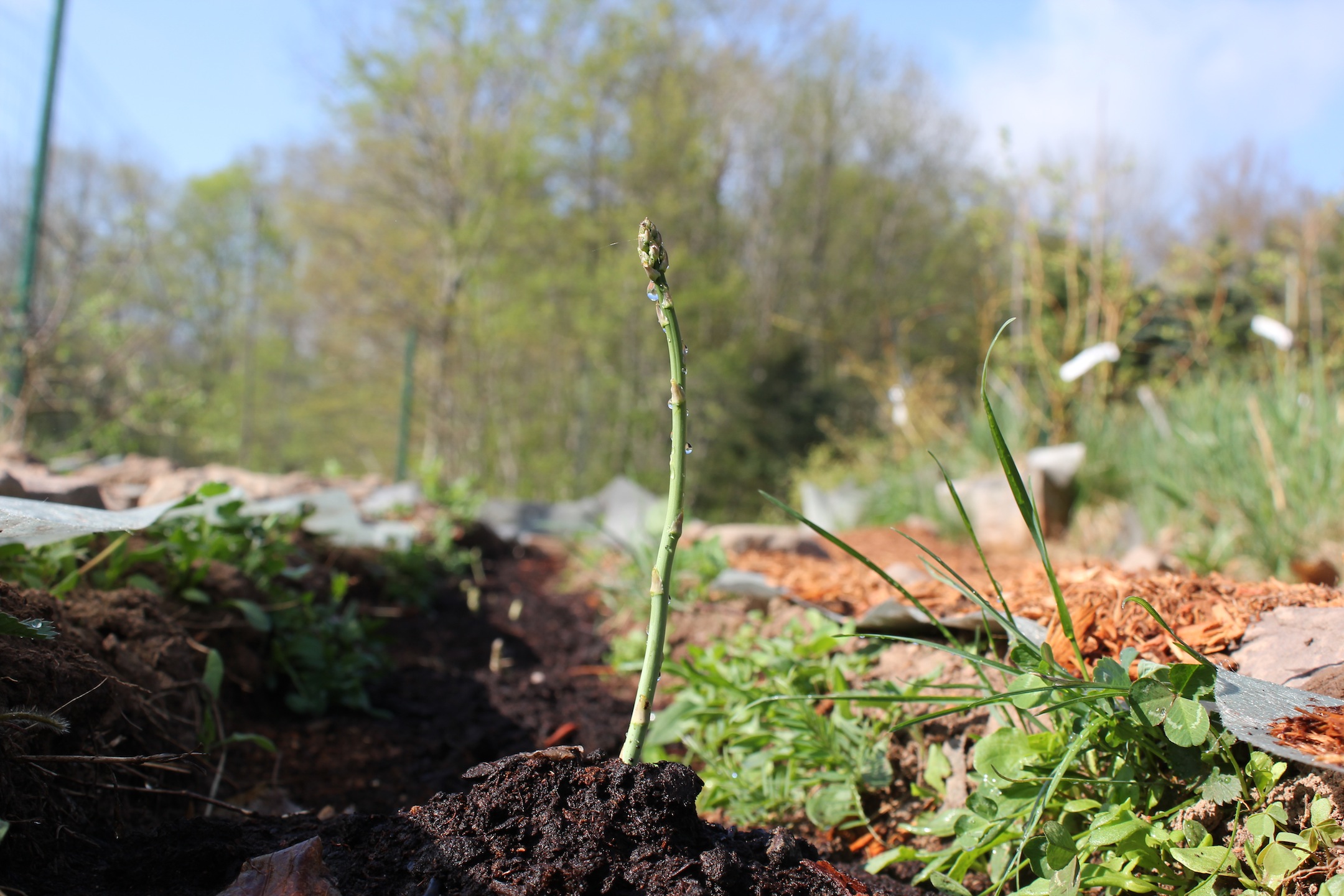
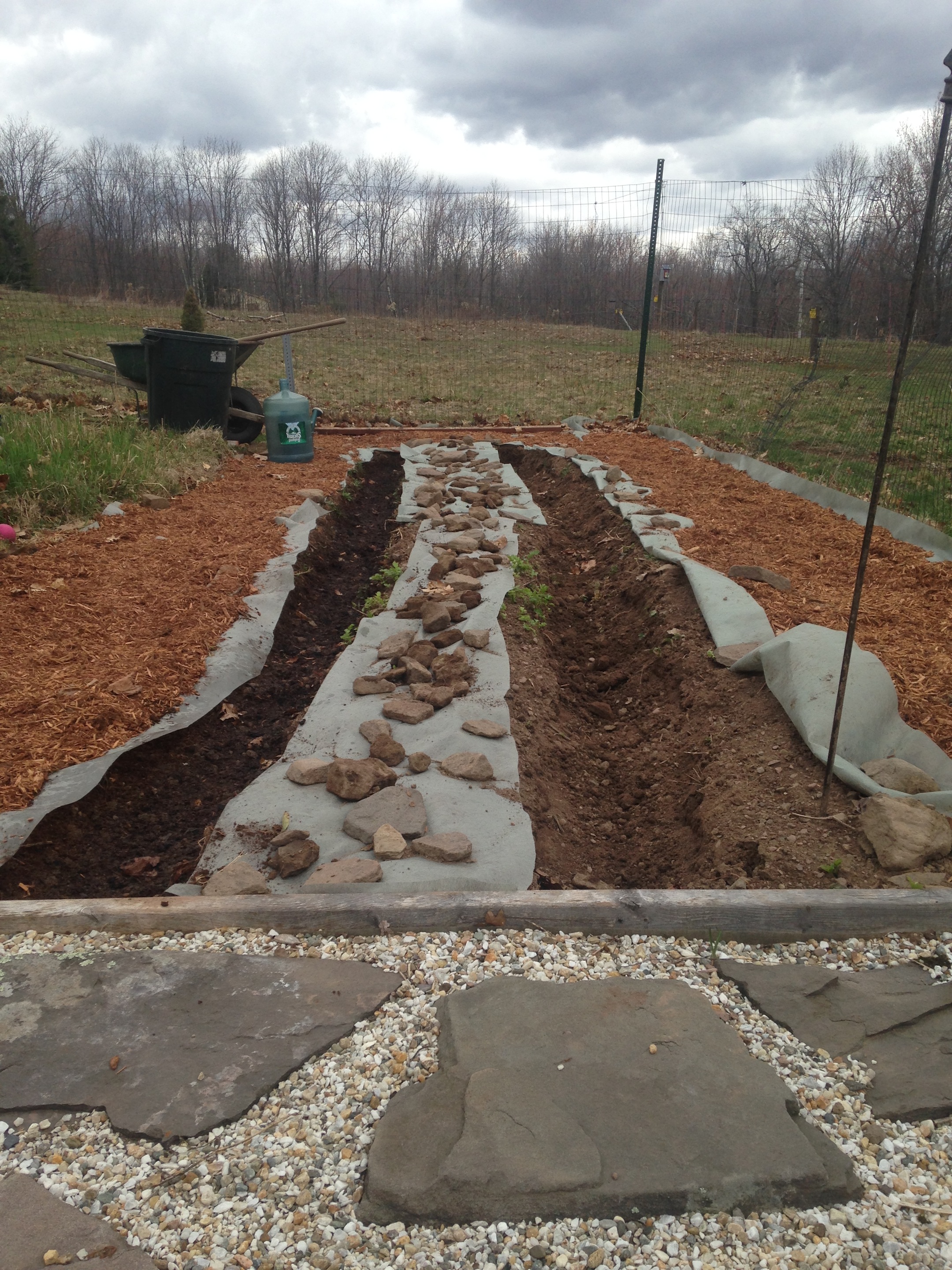
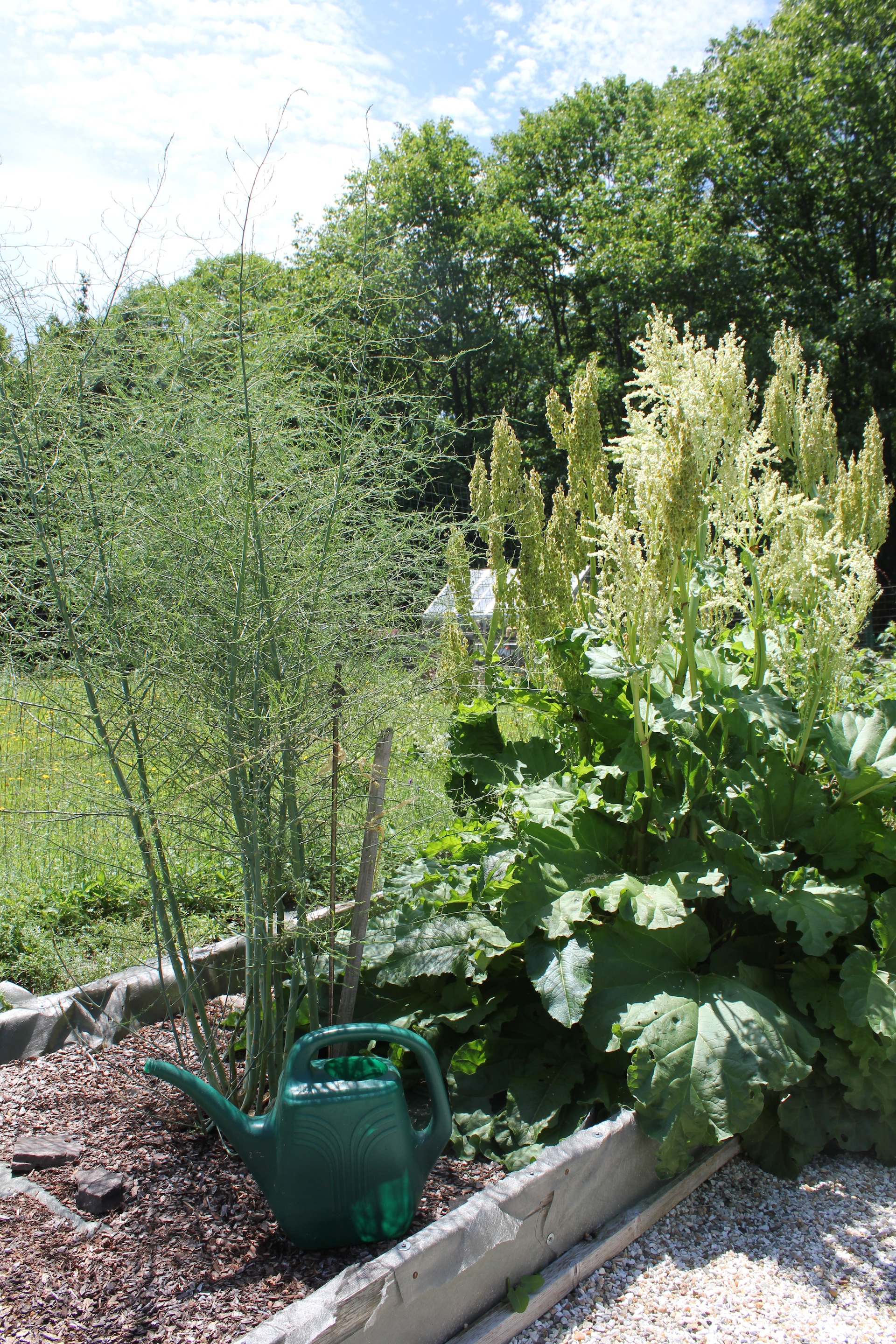
On May 1st, we planted a long bed of twenty new asparagus and in less than ten days we already had a six-inch tall shoot from one of the mounds (bottom middle of the picture). All the other roots planted have shoots of about an inch. The image of the “tall poppy” below was taken yesterday morning.
Eat Your Edible Weeds: From Pest to Pesto
Many foragers, hikers, herbalists and conservationists consider it a travesty that instead of pulling and eating their edible weeds people throw chemical weed killer on them. It’s bad for the water table and our health. Dandelions that are so prevalent in our gardens now are fully edible raw and full of vitamin A. One cup of chopped dandelion is said to have 111% of your daily vitamin A intake, for example.
Spuds
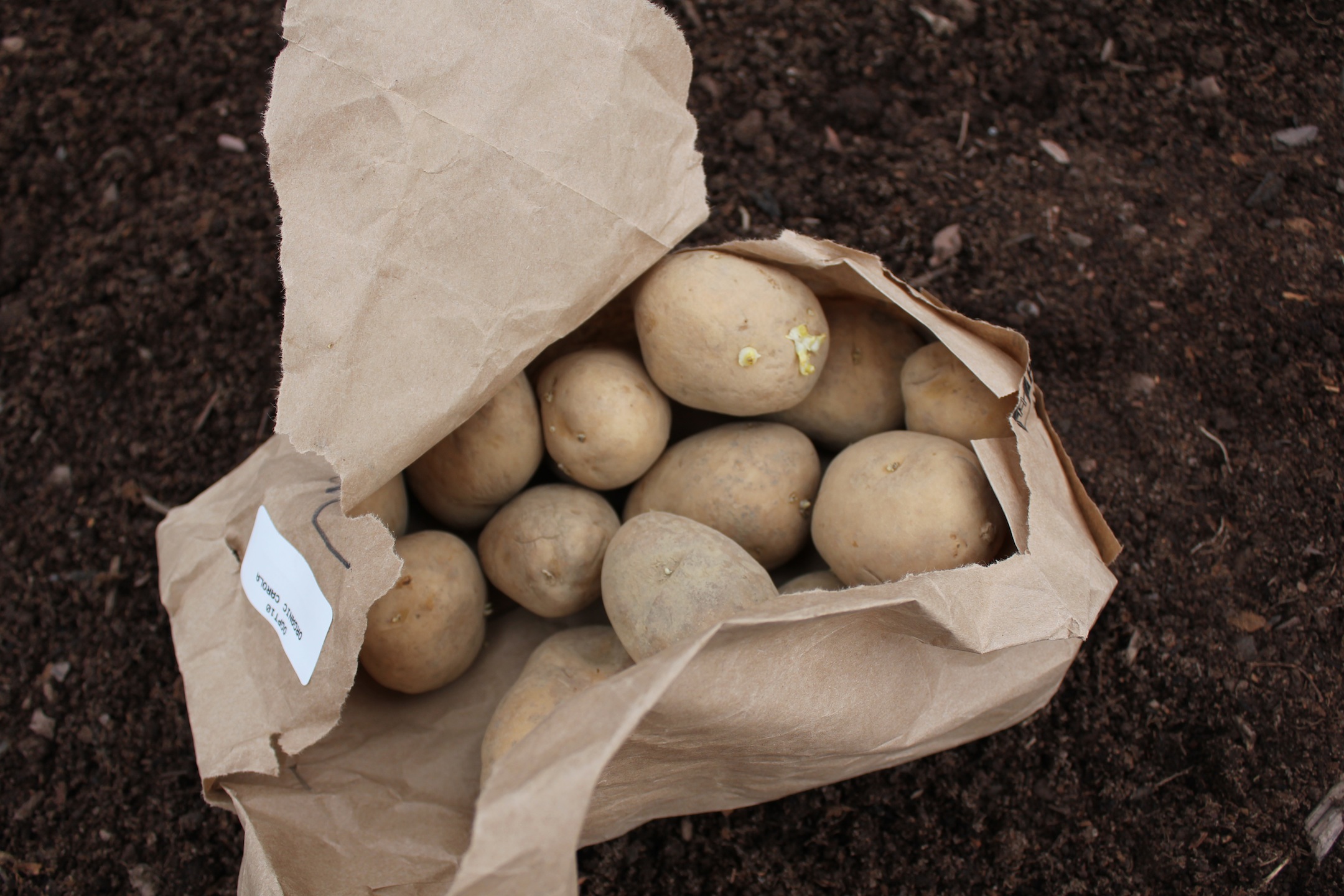
Back in England, I have a friend who has a spud bucket, a large metal rubbish bin filled with soil, into which she thrusts a needy hand and miraculously pulls out a spud or two for dinner. She keeps it in the backyard and, needless to say, does not need to buy spuds, ever. Potatoes need well-drained, loose soil, but lots of rain, so they are perfect for high elevations here in the Catskills. To have your own potato bucket simply:
1. Drill three or four holes in the bottom of a bucket, about half the size of a garbage pail;
2. Line the bottom of the bucket with a three-inch layer of rocks for drainage;
3. Add a six-inch layer of peat and compost on top of the rocks;
4. Throw in four seed potatoes;
5. Cover with a two-inch layer of peat/potting soil mix and pat down.
Asparagus
Asparagus is going in at Upstate Dispatch HQ. A perennial, it takes a few years to get started with a low initial yield, but it’s a low maintenance crop that’s ideal for the novice gardener. Not only is it delicious, highly nutritious and otherwise quite expensive, it freezes well so you can eat it year-round. Let the asparagus grow to long ferns in the first year and the whole plant can last 20 years. Today, two beds (6-12 inches deep and 6 inches wide) were dug and a 2-3 inch layer of wet compost and peat mixed together was added. 10 asparagus roots went in each bed, 18 inches to 2 feet apart from each other. Soak the asparagus roots for a half hour before you plant. Spread the roots out like a flattened spider, lay crown-up, and cover with a 2-3 inch layer of dirt. Don’t fill in the trench with dirt until the shoots make it through their individual dirt pile. Keep adding dirt as the shoots grow over the forthcoming weeks. The weeds you see growing in the middle of the trenches are last year’s over-wintered parsnips. They were pulled.
Catskills Then and Now: The St Regis Hotel
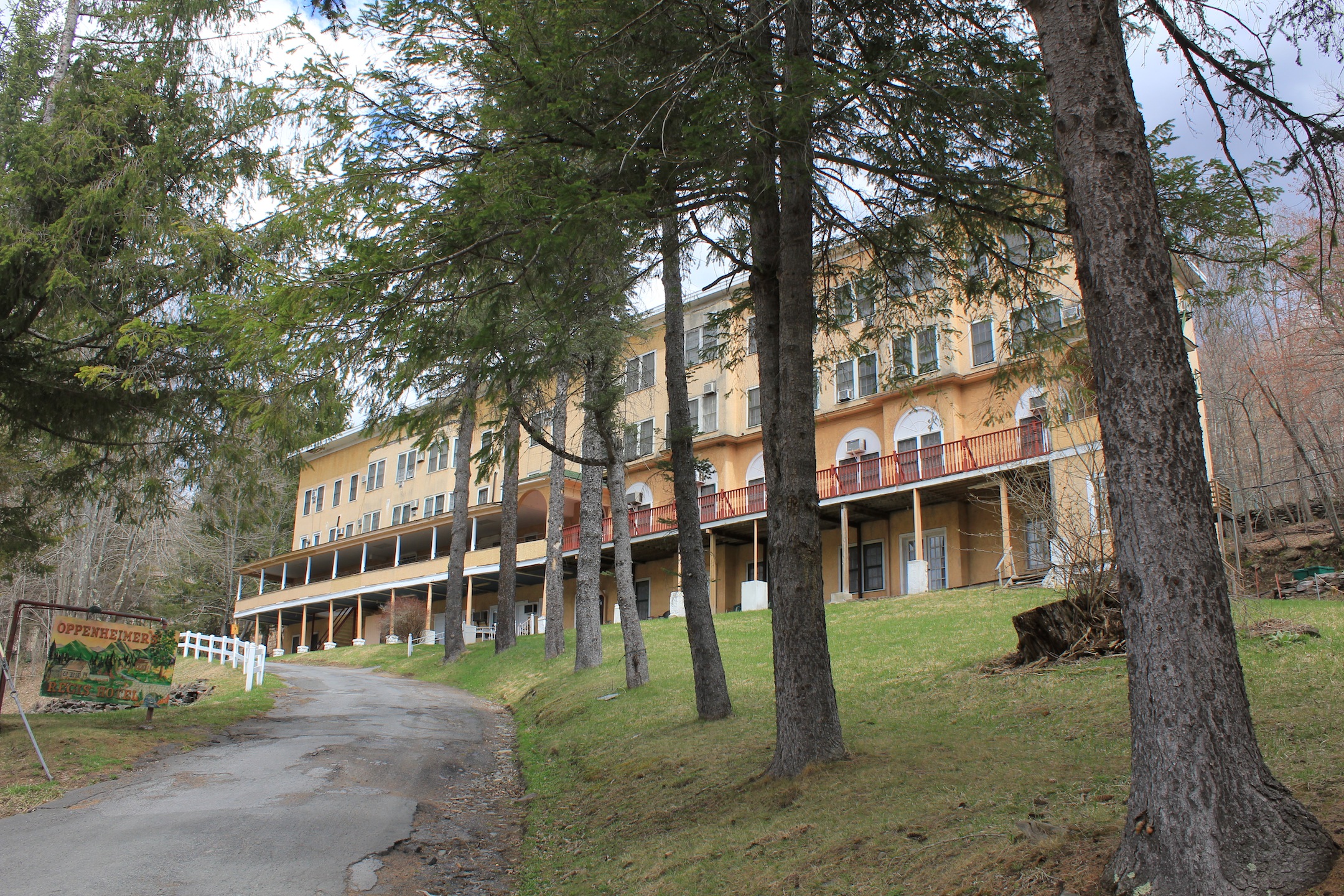
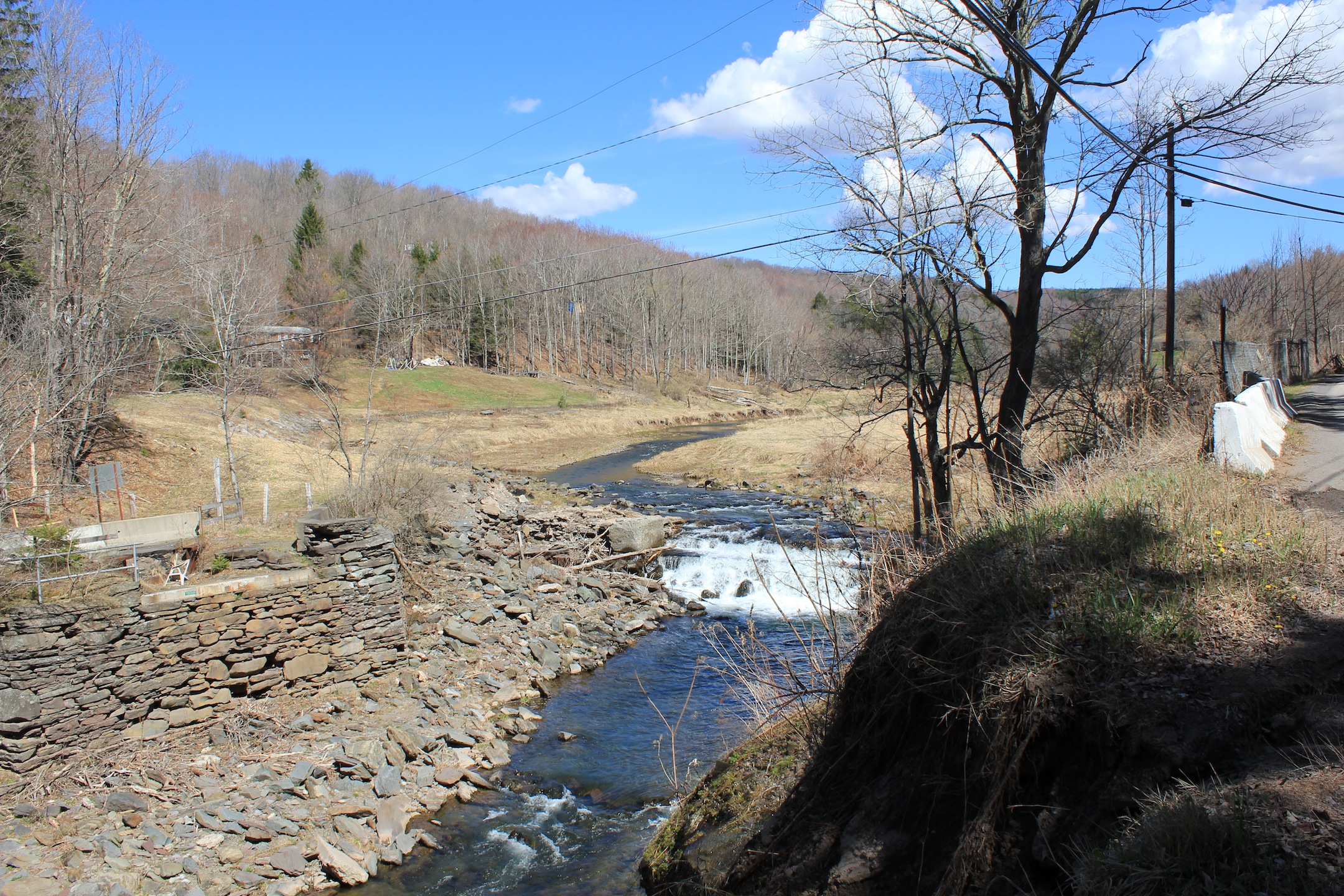
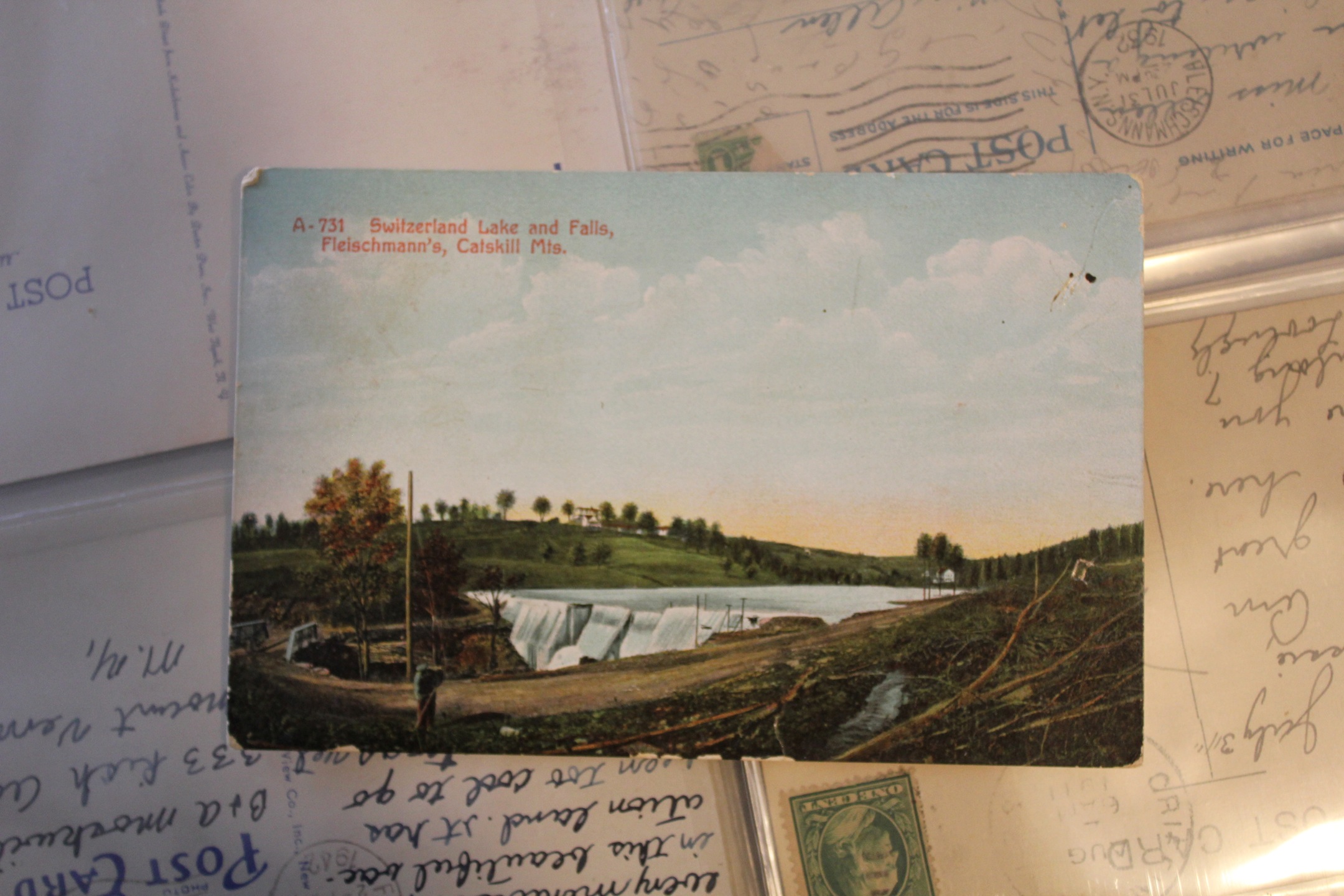
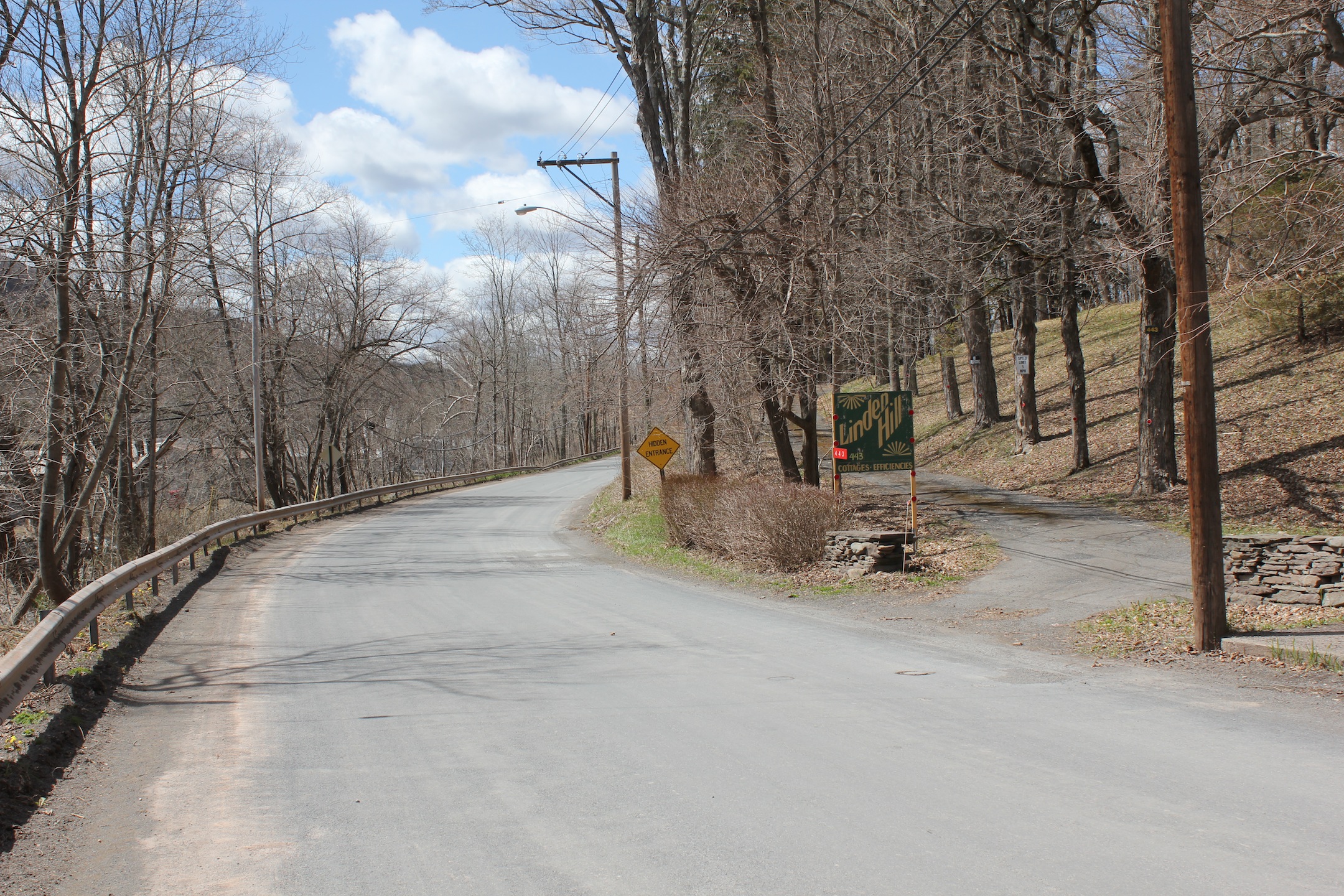
Lake Switzerland was built in 1907 for boating and ice harvesting by damming the Bushkill stream. It was later removed and thereafter Lake Switzerland drained considerably. The St Regis, which was originally on the banks of Lake Switzerland, now faces a valley, the original stream, and houses that have since been built on the stream banks. Trees have since grown back and the same view as the old postcard is not really possible from Breezy Hill Road (bottom).
Catskills Then and Now: Lake Switzerland
Built in 1907, the dam that created Lake Switzerland was later thought to be structurally unsound and removed. Just to the right of today’s picture is the road and the spot on which the St Regis Hotel still stands. If you look at the postcard of the St Regis Hotel, it will give you an idea of the area covered by the lake. In the right of today’s picture are some white concrete barriers where the bridge used to be. The image at bottom of the post is the view of the St Regis today from other side of the bridge.
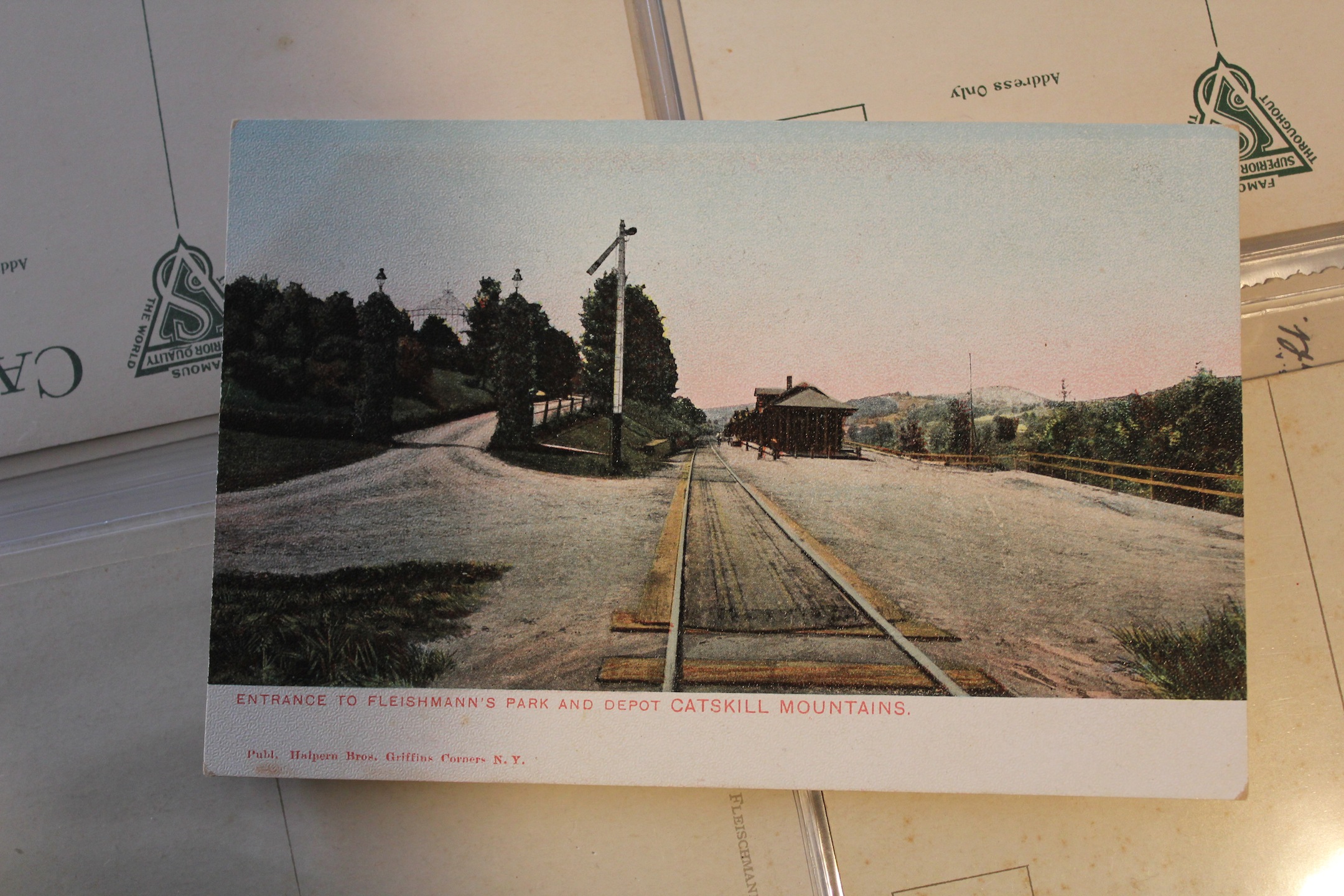
Catskills Then & Now: Fleischmanns Railway Station
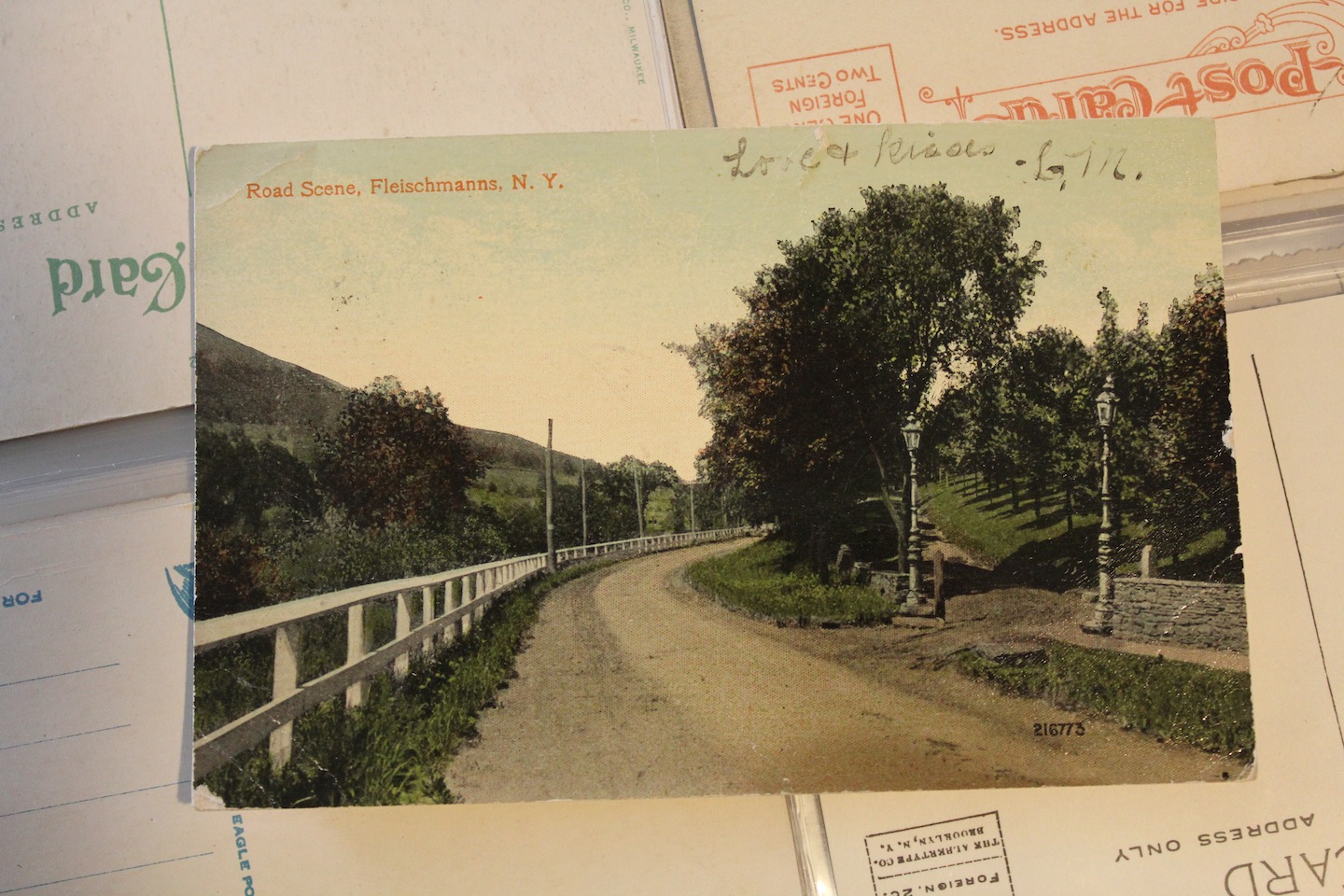
Catskills: Then and Now
Compost
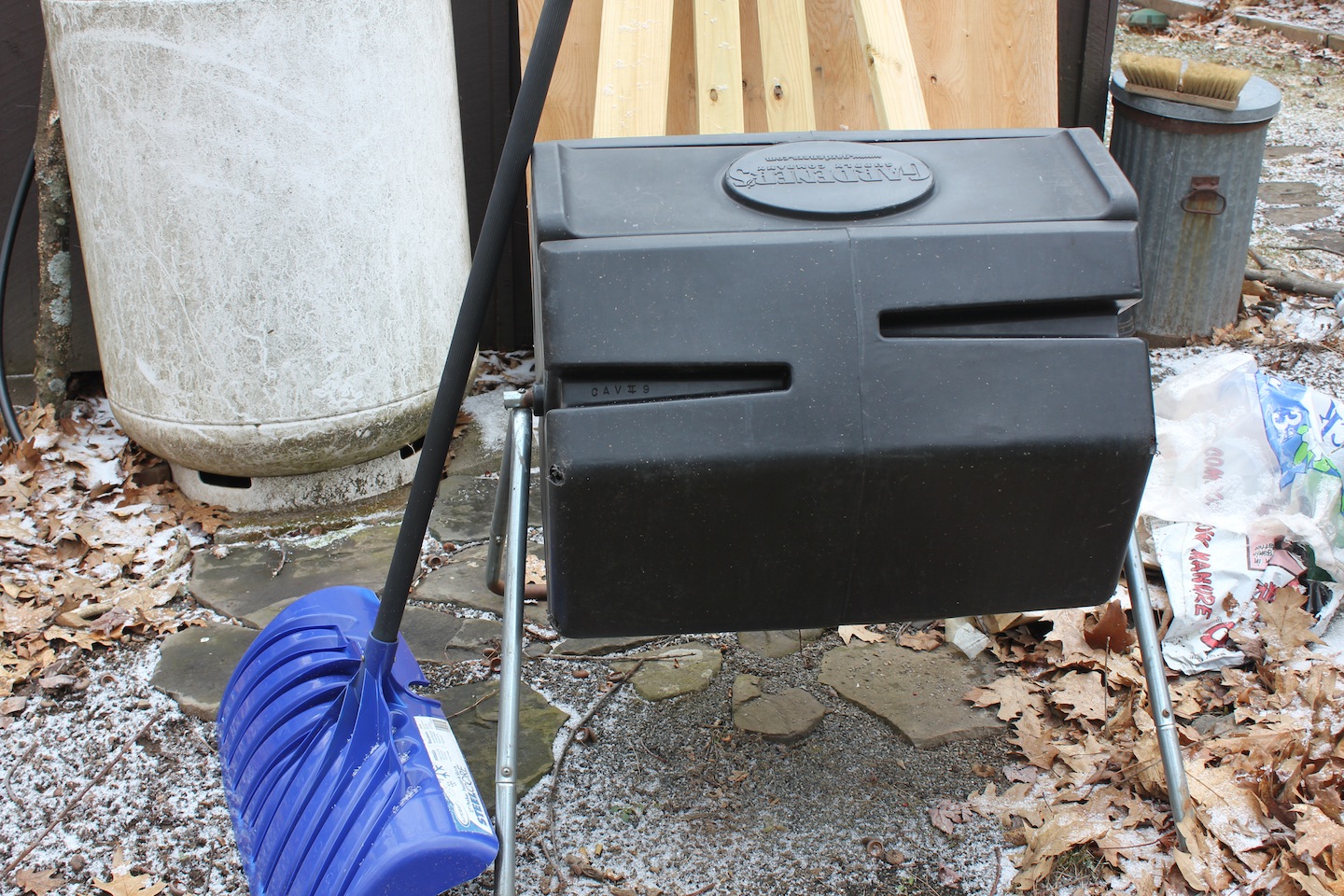
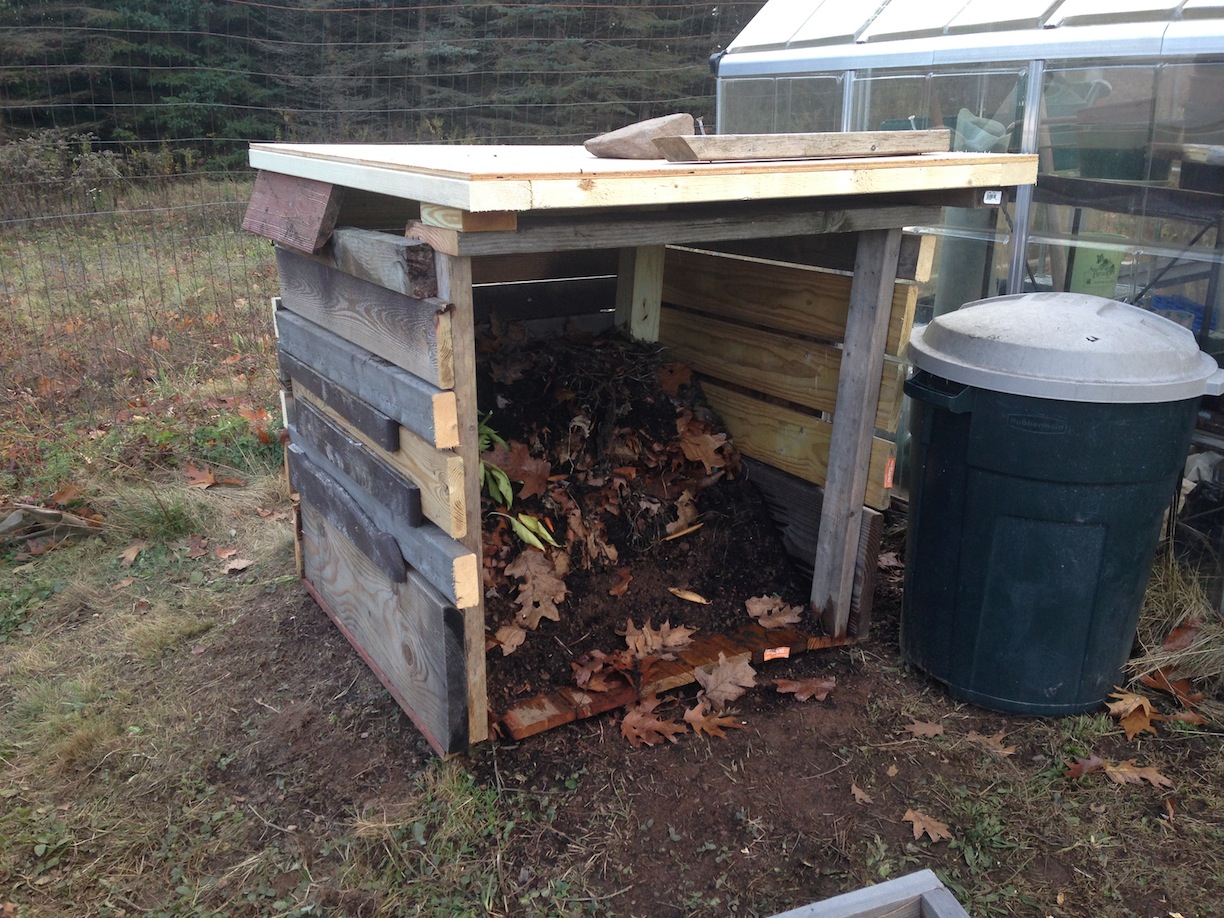
If you have acreage, there’s no reason not to compost. Half of the topsoil on the planet has been lost in the last 150 years, according to the World Wildlife Fund, and it can be replenished with organic material like kitchen food scraps, peelings, dead leaves, tea bags and coffee grounds. Another astonishing statistic: the USDA reported in June 2013 that it estimates that food waste in America is 30 to 40% of the entire US food supply and it goes into landfill every year. Seattle recently made it the law to compost and, here in the Catskills you can have your food scraps taken away, but there’s no reason why you can’t just make the compost and throw it in your forest or on your garden. Nature consumes all.
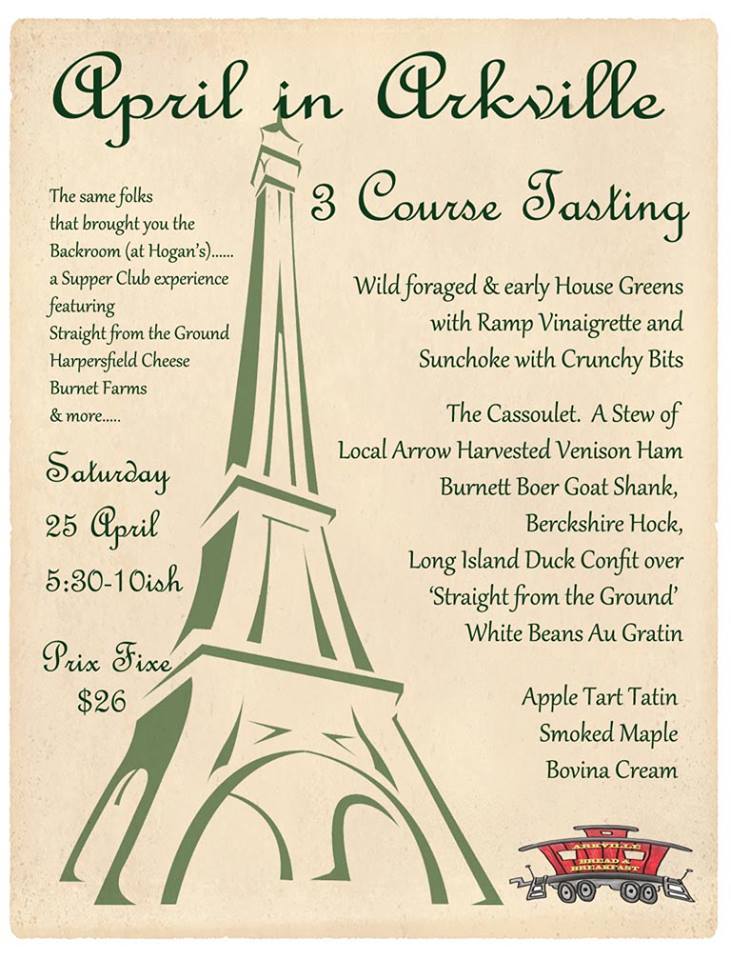
A Tasting in Arkville at Jack’s Bread Breakfast
Catskill Interiors
The Four Seasons room at Spillian, because in the Catskills you’ll catch all four seasons in one day.
Weekend treats… the set of Proof at the STS Playhouse, which finished its run yesterday.
The hallway staircase at Foxfire Mountain House, adorned with Moroccan tile.
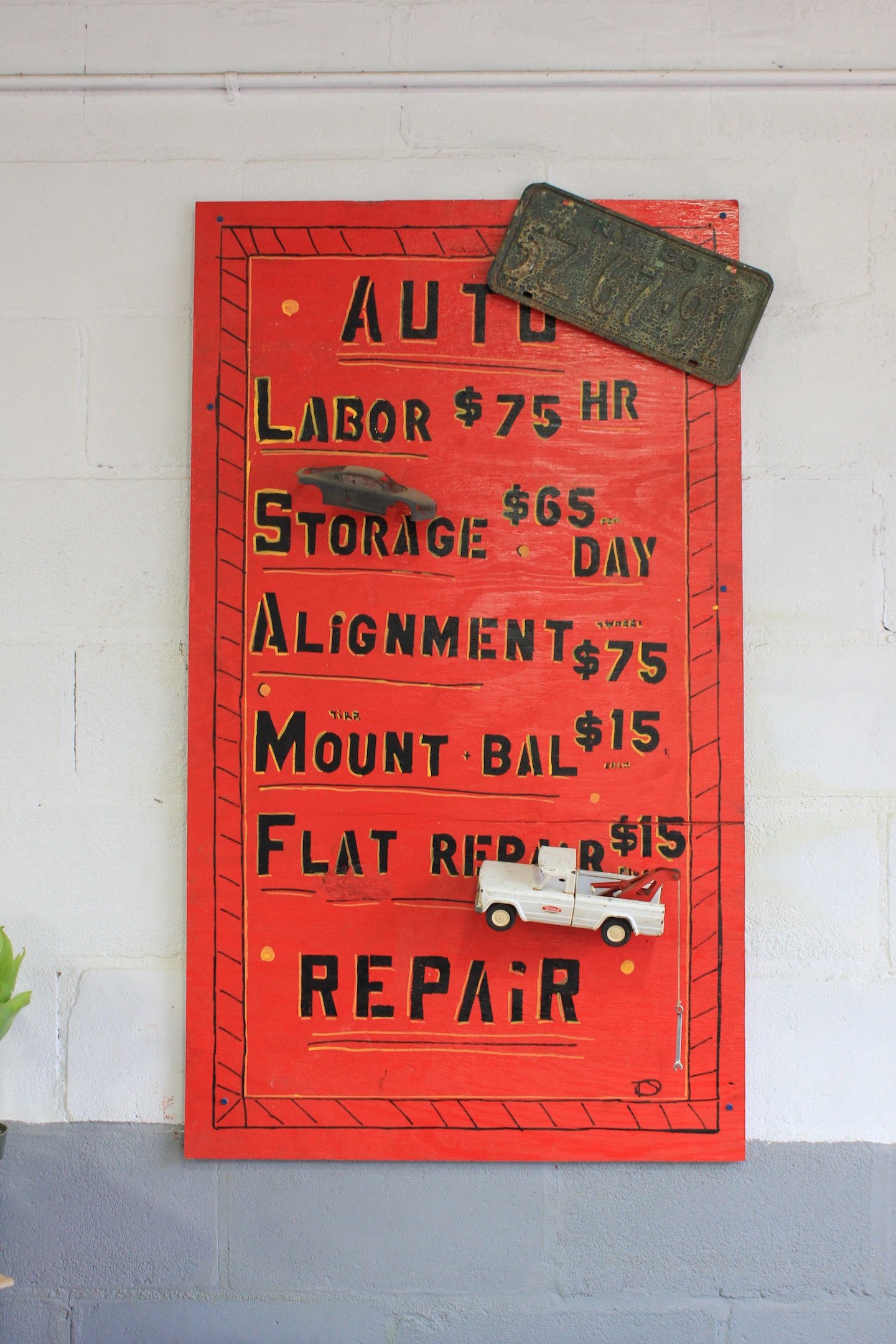
Country Life: Signage
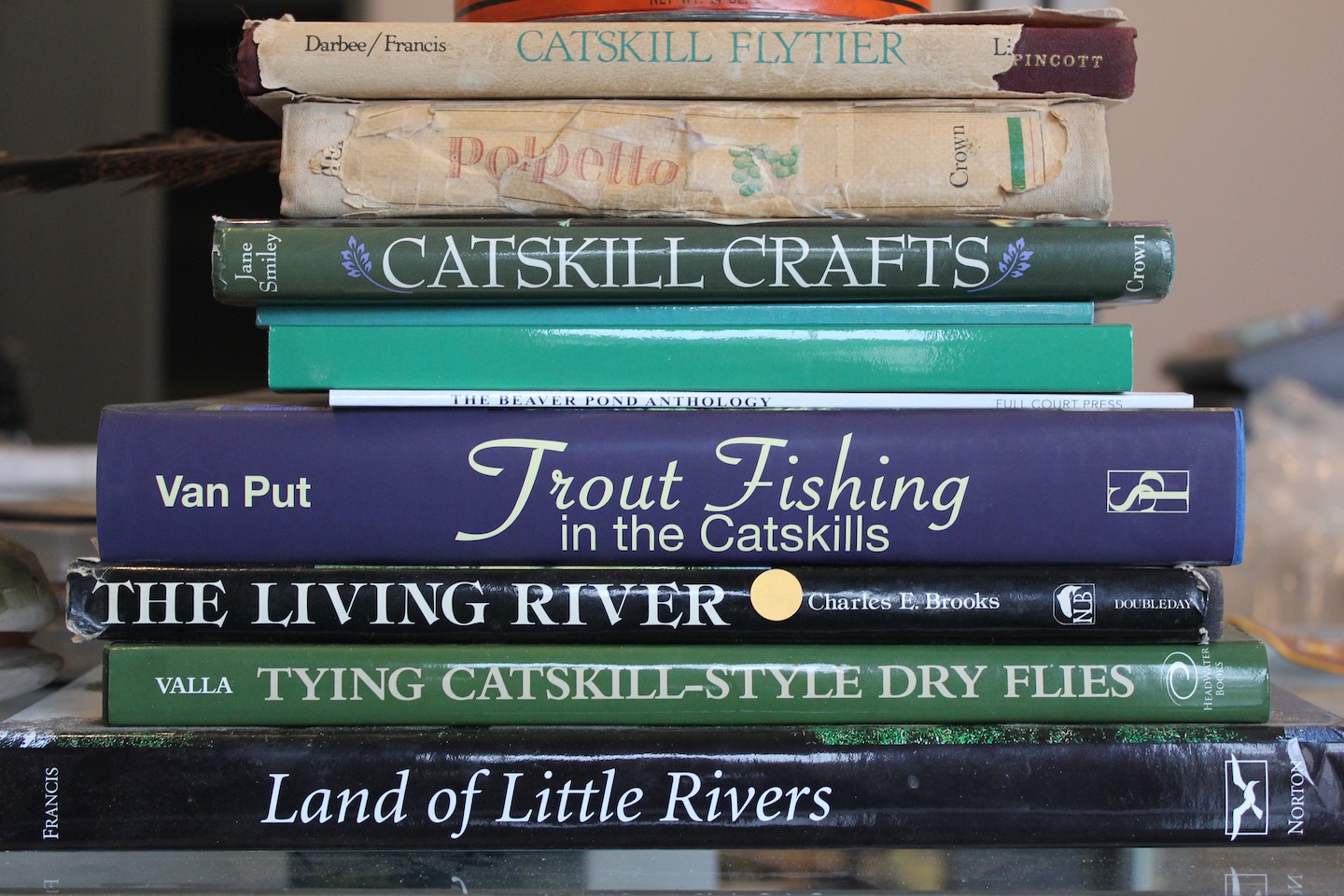
Bookshelves of the Catskills
Foxfire Mountain House: Opening June
Up the hill behind the train tracks of the DURR opposite The Emerson, a new inn is being fitted out with ten rooms, restaurant, bar and lounge named The Foxfire Mountain House. Most of the furnishings are second-hand items found in the Catskills, with the decorative Moroccan tiling found in a warehouse in Brooklyn. There are still chairs to be sanded, beds to be built and raspberry banquets to be fitted, but proprietor Tim Trojan hopes to be open by June. An adjacent cottage has been ready for a while and has been rented for weekends on AirBNB. Tim owns the inn with his wife Eliza Clark a television producer and Eliza’s daughter Arden Wray, a photographer. He’s been directing the renovation for the past year, but the style has come from his wife Eliza who produced renovation television shows.
First Day of Trout Season, Roscoe
On The Fly: Trout Season
“…. but when I’m alone in the half-light of the canyon, all existence seems to fade to a being with my soul and memories and the sounds of the Big Black Foot River and a four-count rhythm, and the hope that a fish will rise. Eventually all things merge into one and a river runs through it. The river was cut by the world’s great flood and runs over rocks from the basement of time. On some of the rocks are timeless raindrops. Under the rocks are the words, and some of the words are theirs. I am haunted by waters.” Norman McLean.
The ethereal magic of fly-fishing had hitherto failed to capture my heart or my interest until I recently gathered that it’s akin to Buddhism in that one desires the fish, but if it is not attained nobody (literally) has suffered. In fact, I stand corrected: remove all desire for the fish and you have the Buddhist ideal: it’s all about the joy of nature, being in the moment and not what you catch. No, it’s about standing knee-high in a stream, as fast as a boulder, while the water bifurcates around your legs and babbles past, twinkling in the early morning sun like a handful of glitter was tossed downstream with it. You’re meditatively casting, casting, casting… You are one with the line as you tempt the fish with the best flies you could find. Come late Autumn and the close of the season, fly-fisherman I know have, in conversation, wistfully lamented their absence from the stream, nodding their head ruefully, staring into the middle distance and conjuring the great Esopus in their minds. Don’t think I exaggerate.
Trout Season: April 1st
Next week, you’ll catch anglers meditatively throwing their first casts of the season into local streams in quiet celebration of their beloved skill. “Trout season”, aka fishing season officially begins in the Catskills on April 1st, but the Catskill Fly Fishing Center and Museum in Livingston Manor, NY, has its “season opener” on Saturday April 11th. From their web page:
Sunday Punk and More Tea
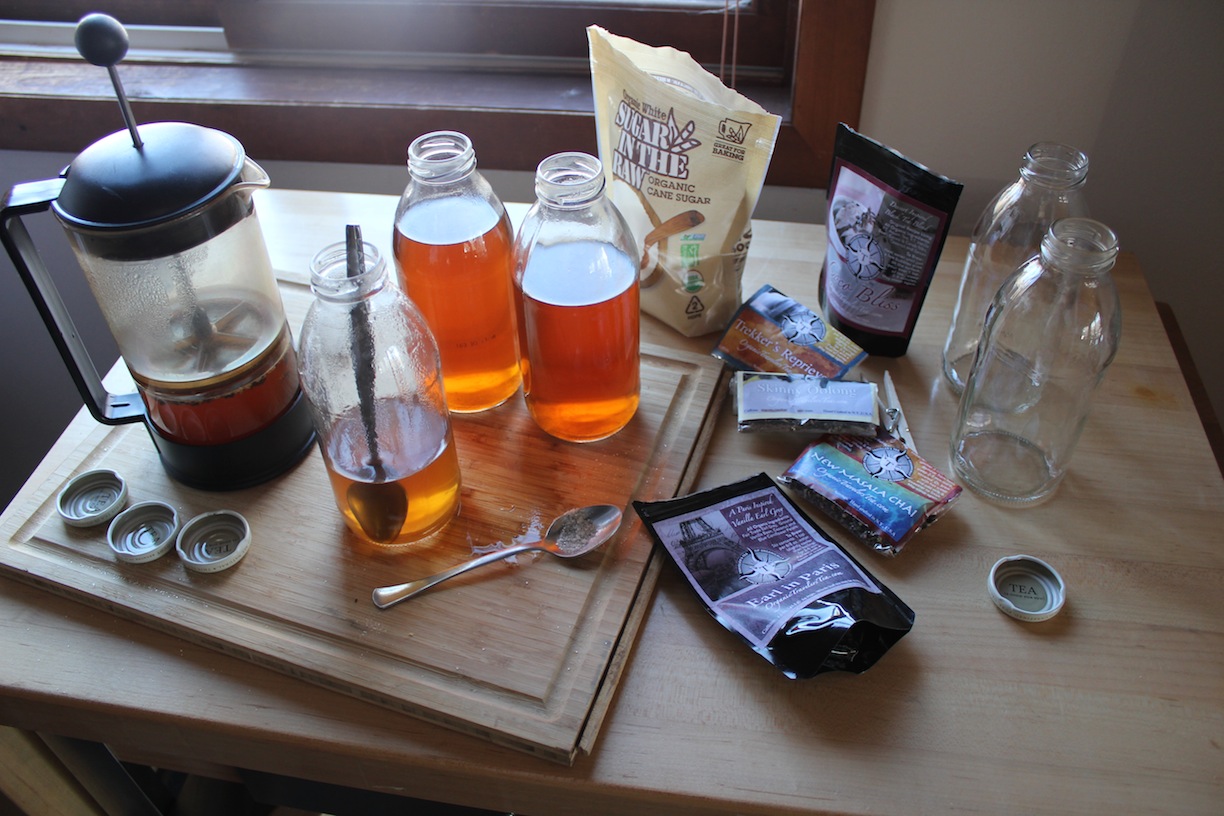
To continue the British punk theme for the remainder of the weekend and into Monday. The DIY ethos of the punk movement merged with my British obsession with tea, (made from Organic Traveler’s Tea) ready for The Economy of Punk on WIOX FM Radio tomorrow morning at 9am. Making my own cold tea while choosing content for the show.
Macarons in the Catskills
Why go down to La Duree and stock up on Macarons when you can get them here in the Catskills and not tell the difference? Coming soon… the divine French almond meringue biscuit.

© J.N. Urbanski Melissa Zeligman’s perfect Saturday afternoon experiment
Historical Art of the Catskills
Poignant relics of Catskills’ history like this antique tractor are to be found all over the Catskills, as much part of the landscape as the forest. Over the next few weeks, as spring begins, we’ll be photographing these enigmatic idols as they sit silently conveying their story like stoic immortal pioneers. May they always be around to remind us of the work involved in settling these mountains. Along Route 28 and other routes, you will find pieces of farm equipment and other machinery arranged into statues. We’ll be documenting those too.
Hug A Hemlock
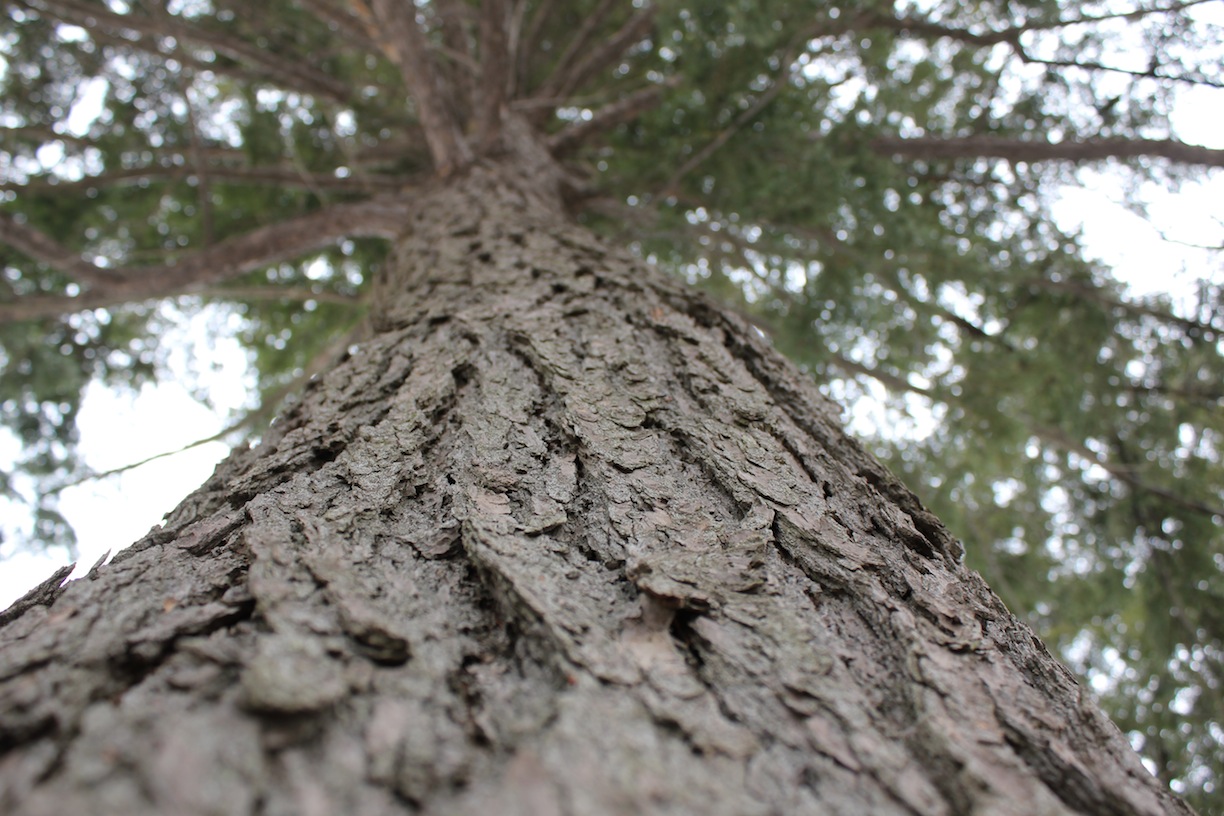
There’s nothing more majestic than a towering hemlock, a evergreen conifer that seems to be loosely draped in its elegantly weeping branches that dangle delicately towards the earth. It can live to 800 years or more and grow to statuesque heights of more than 70 feet. Last year’s call for illustrations of the Hemlock for an exhibition ignited interest among artists of the Catskills and once I started looking for hemlock, I found them everywhere. I even found a short sapling on my property and it will outlive me by many many hundreds of years, if it’s not attacked by the Hemlock Wooly Adelgid, an invasive species native to Asia. The Catskills Center has a new programme for the pest that’s thought to have arrived in New York in the eighties.
From their website:
Soup Sundays at Spillian
As I mentioned last week, there was Jazz at Spillian last night, during an event that I dub Soup at the Spills, which was actually a combination of their regular Soup Sundays and their Voices of the Catskills series. In honour of St Patrick’s Day, the Spill’s Culinary Curator Melissa Zeligman made Colcannon, which was delicious. The weather had taken a squally detour down a cold, muddy road by the afternoon yesterday – it had already started snowing again in the morning – so the Irish stew was the perfect wintery feast. By this morning, the sun had come out again in force as if yesterday’s aberrant hail/snow/rain/mud mix had never happened.
The Hubbell Cider Press
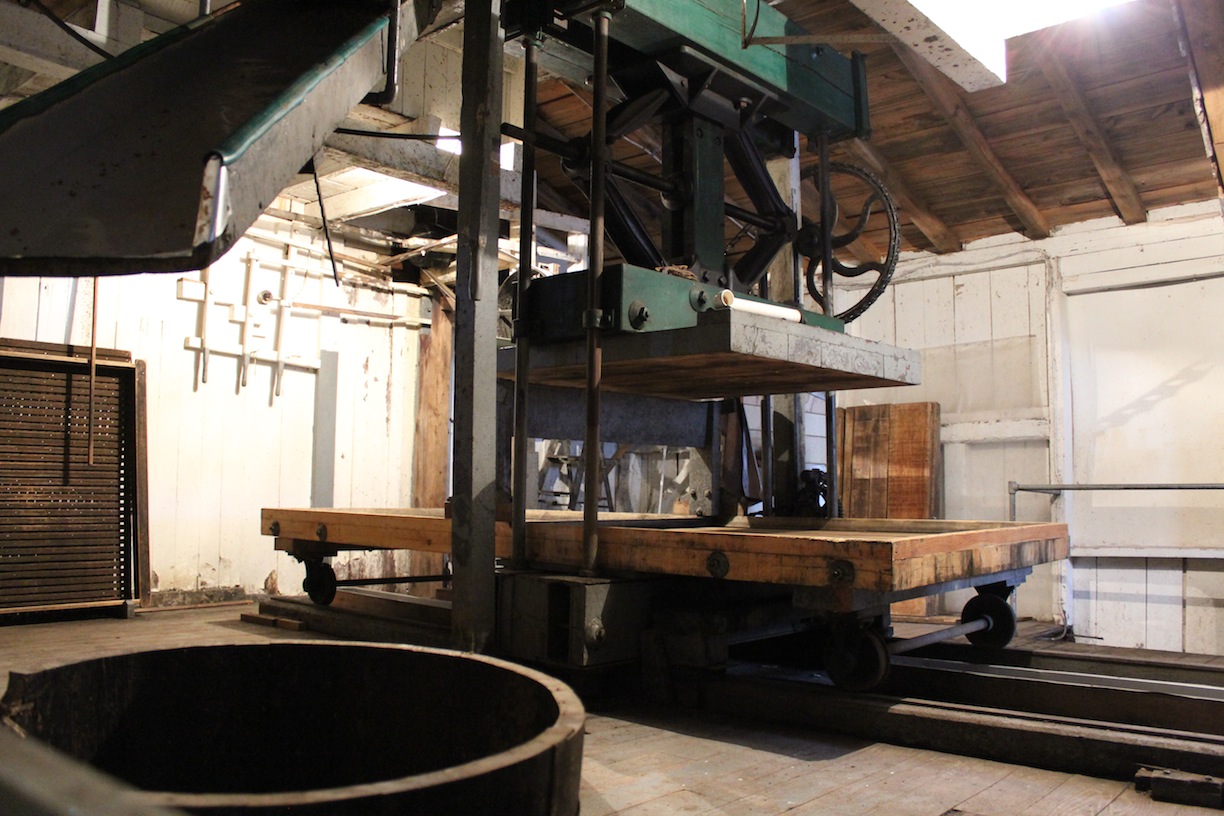
The Hubbell Cider Press dates back to the 1880s. The mountain railroad allowed farmers of the Catskills access to heavy machinery left over from the civil war. Chopped apples come down the chute, top left and land in the barrel, bottom left. The mush is then pressed flat between racks on the press in the background. Juice is collected in trays beneath the press running down the centre.
Bookshelves of the Catskills
Catskill Park Awareness Day: February 10th
The Catskill Center, a non-profit organization formerly known as the Catskill Center for Conservation and Development, has been an advocate for this area since its inception in 1969, instigated by Sherret Chase, Armand Erpf and Kingdon Gould Jr, to tackle preservation issues and “foster harmonious economic development” in the region.
In terms of conservation, this region has an advantage over neighbouring areas because it supplies New York City with its drinking water, which travels unfiltered to the city in huge underground tunnels. Should anything sully the NYC drinking water supply, a billion-dollar filtration system would have to be built, something that New York State is keen to avoid, so the waterways are protected by regulation. This regulation hampers development, a significant disadvantage to the local economy, so the proceeds from year-round tourism – 2.5 million tourists annually – are our biggest benefactor. The people of the Catskills sacrifice the growth of their economy so that New York City can drink pristine water.
Arkville Bread and Breakfast
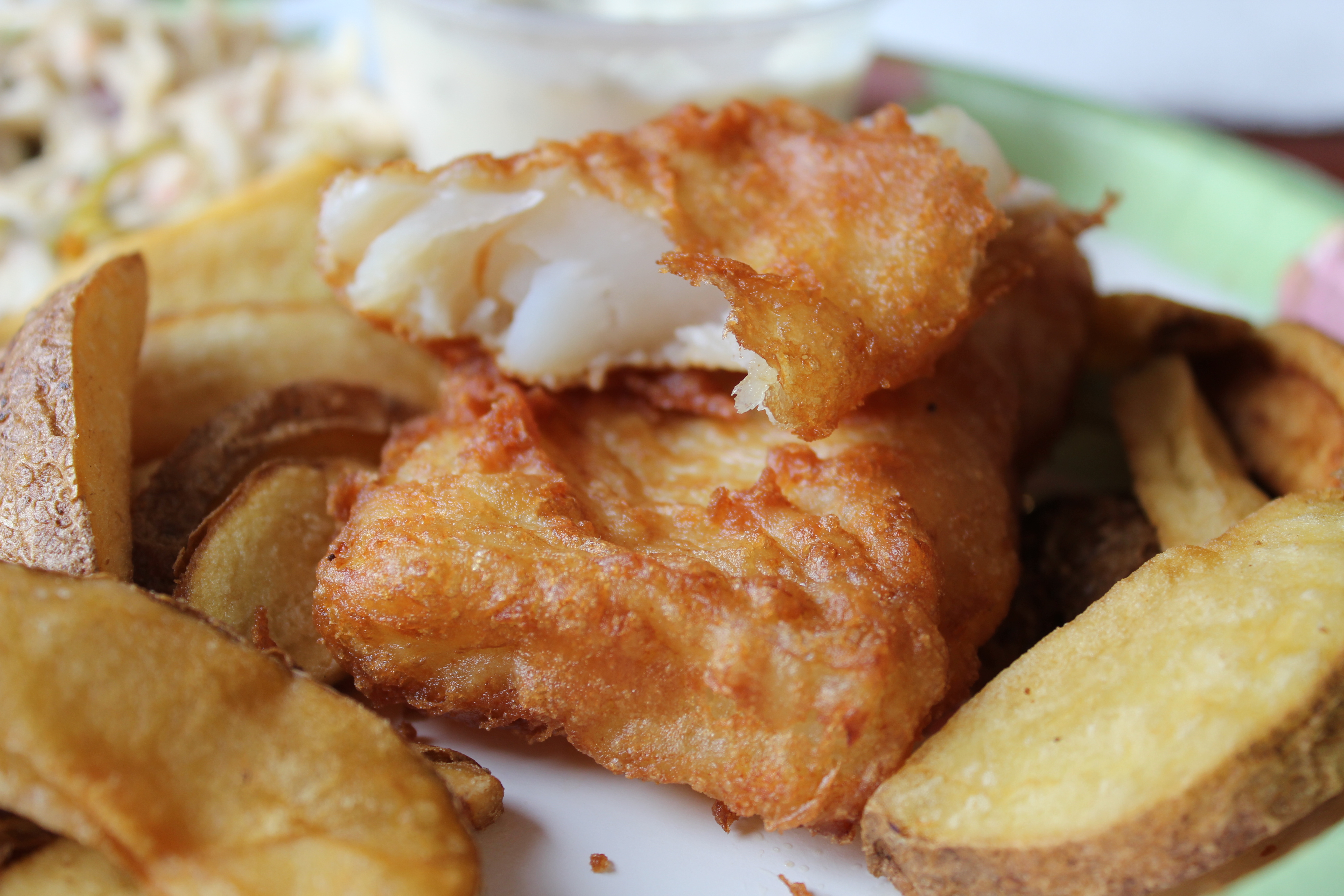
A good hearty plate of Fish and Chips is to the Catskills what the Bald Eagle is. When you spot one, you freeze in wide-eyed disbelief and fumble clumsily for your camera trying not to divert your gaze from the (menu) for a second. As an English ex-patriot from London, I find that fish and chips is as rare in these mountains as a McVitie’s digestive biscuit and actual Cheddar from Cheddar.*
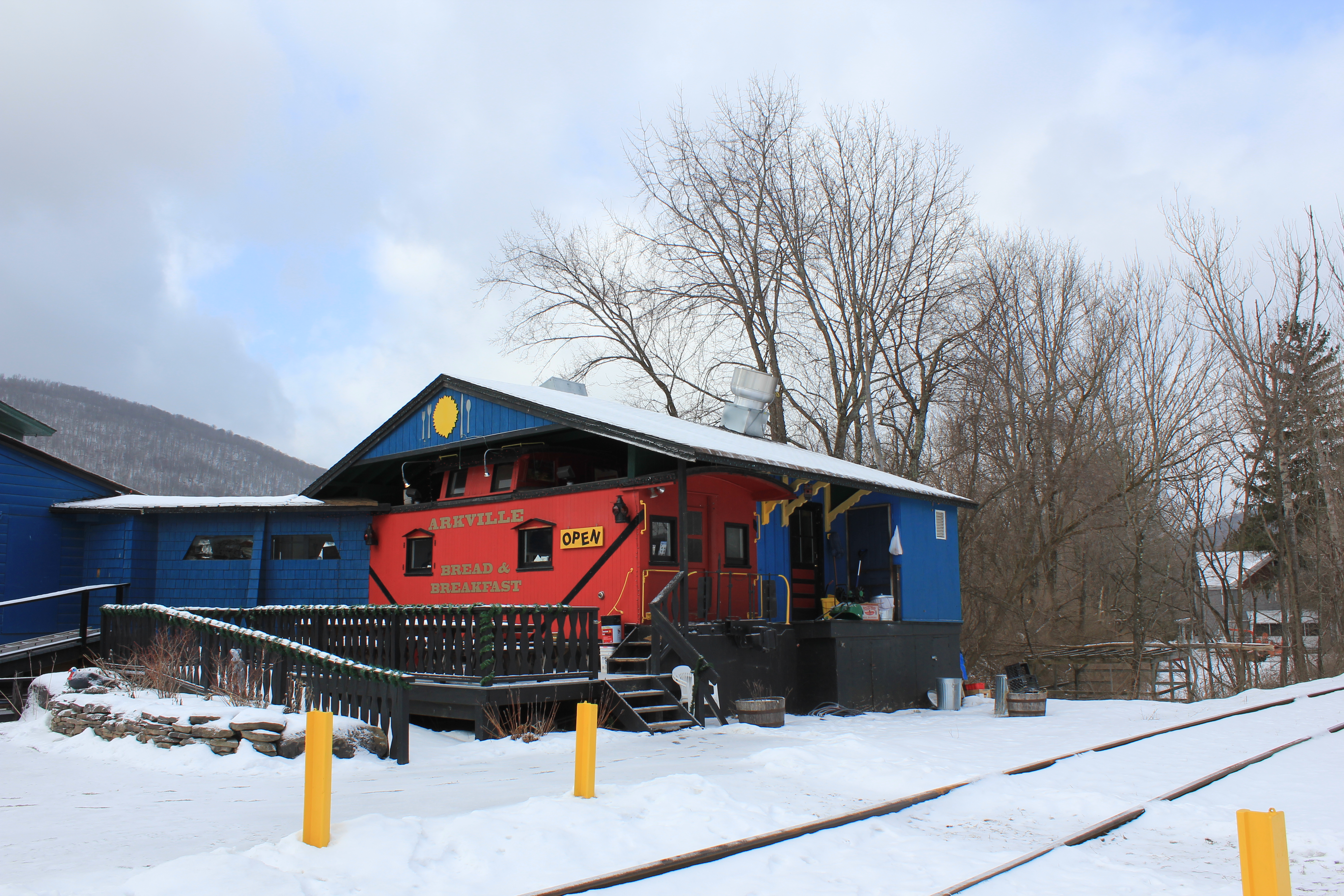
You’ll find the holy grail of British food at Arkville Bread & Breakfast on Route 28 in Arkville, New York on every other Friday. (Daily menus are posted on the Facebook page.) I remember, as a teenager, fetching the family’s Friday night fish and chips, the smell of lard, salt and vinegar and paying about five British pounds for the feast. Here you’ll pay $8.95 for a portion that comes with coleslaw, chips and tarter sauce, a snip if you realise that you’ll pay $20 in NYC.
Today’s fish was cod; perfectly cooked, thinly battered, flaky and flavourful. Although the thin, crispy batter is the ideal coating, I almost prefer a thicker batter so that I have an excuse to pick out the steaming fish and save some calories, but no, not this time. All of it was eaten with the tangy tarter sauce and, now, off for a long walk I go. Today’s chips were not chips but crisps, made from Maris Pipers, sliced into flat wedges and fried with the skins on: like a drier, less floppy, two-dimensional version of my childhood chips. Also present (pictured at bottom): Sarsons Malt Vinegar, HP Sauce, Heinz Baked Beans, Branston Pickle, Tango and Spotted Dick. Tango & Spotted Dick sounds like a British detective drama brought to you by the BBC, but no, it’s a neon-coloured fizzy drink and a pudding respectively.
Proprietor Jack Zamor says that a lot of British people attend the restaurant, made from an actual train car and situated right next to a railway line, on the days when he has an All-British menu, the next one of which is slated for February 7th, 2015. Next week, Upstate Dispatch will forget all about the homesickness and return for the corned beef brisket on rye.
*If you have some actual Cheddar, please feel free to comment in the reply section.
The Phoenicia Diner Challenge
Last year, Mike Cioffi, owner of The Phoenicia Diner, and I ruminated on the costs of running a restaurant on my radio show The Economy of the Kitchen. Next week, Monday 12th January at 9am, in our second and final show, The Economy of the Diner, we’ll discuss the diner as American icon. The diner also has a rich cinematic history: Pulp Fiction, Twin Peaks, Superman, Back To The Future, Heat, Thelma & Louise, Diner: the list goes on and on. Who can forget Jack Nicholson trying to get an order of wheat toast in Five Easy Pieces or the tipping scene in Reservoir Dogs? Not to mention Meg Ryan’s glorious turn in Katz’s Deli in When Harry Met Sally and the actual movie called Diner, starring Steven Guttenberg directed by Barry Levinson.
As a foreigner, the diner is the ultimate American experience and my first diner visit was Relish in Williamsburg, sadly now slated for demolition. I’ll never forget my first order of biscuits, sausage and gravy and with whom I shared it.
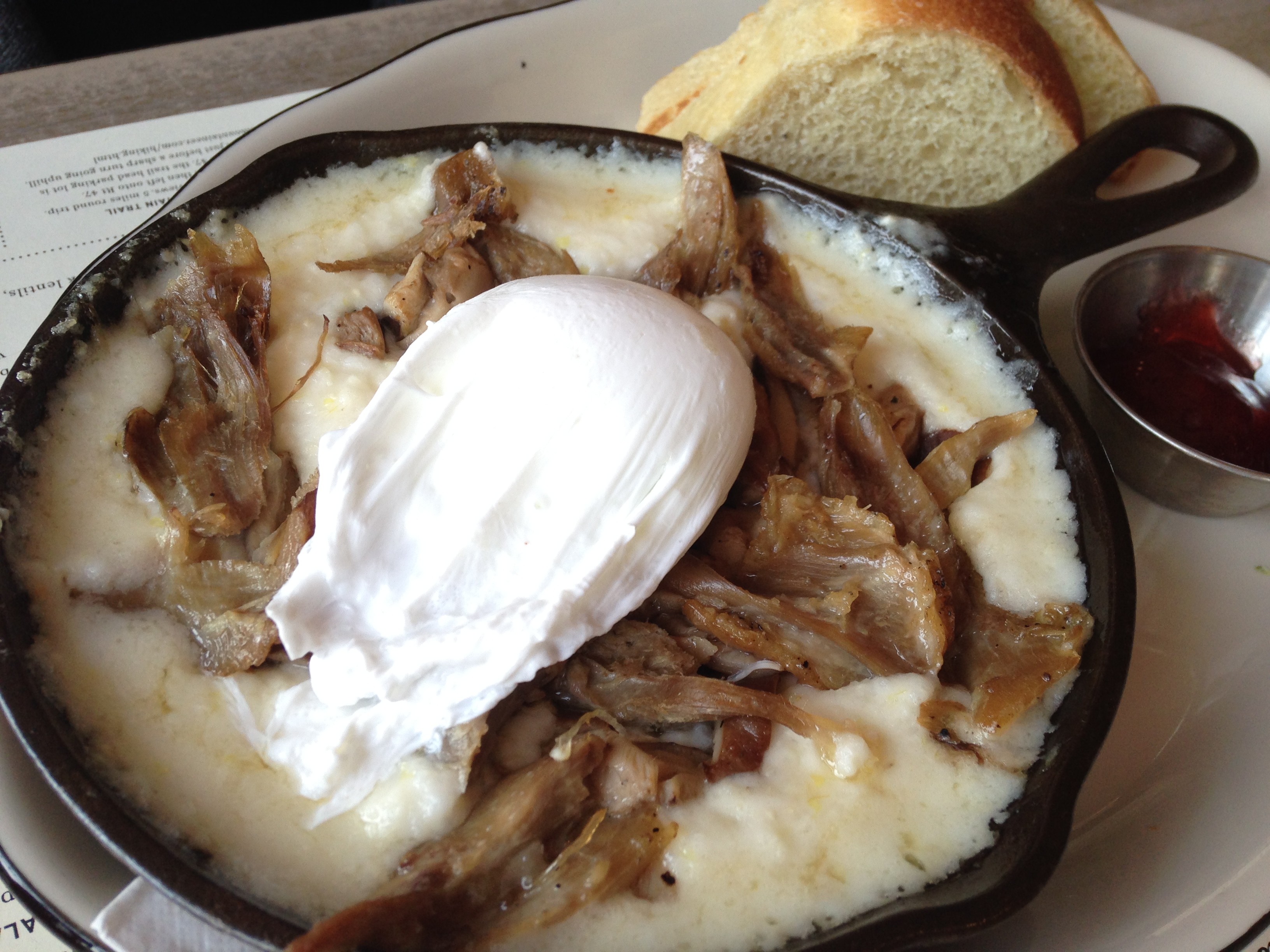
My new challenge is eating my way through the menu at The Phoenicia Diner and I continued today through the skillet section. I tried the Duck & Grits skillet ($11), House Cured Corned Beef Hash skillet ($11) and the Arnold Bennett Skillet ($10). My first taste of American grits (not a British staple) was back in Brooklyn and had been quite vile experience, like eating cold porridge. PD’s grits are creamy with a hint of cheese; their scrambled eggs are the perfect combination of moist and firm. If Chef Mel uses salt in the dishes, you can’t really taste it and this is how it should be. Salt should be the choice of the customer. The Arnold Bennett Skillet ($10) came out on top in this round: locally smoked trout (delicately tasty), parmesan cheese, crème fraîche and scrambled eggs. PD makes its own bread too, which is thick, slightly chewy and tasty. Portions are generous and the eggs are noteworthy – some of the best I’ve eaten in the Catskills – for their vivid orange color. Most ingredients are sourced locally and when they run out, so does the item on the menu for the day. Eat here before you ski, on your way to Belleayre for the hearty nourishment that lasts all day. You can take sides and leftovers to go in compostable containers.
Tune in to The Economy of the Diner on WIOX at 9am on Monday January 12th, 2015.
Saturday Shopping: Local Honey
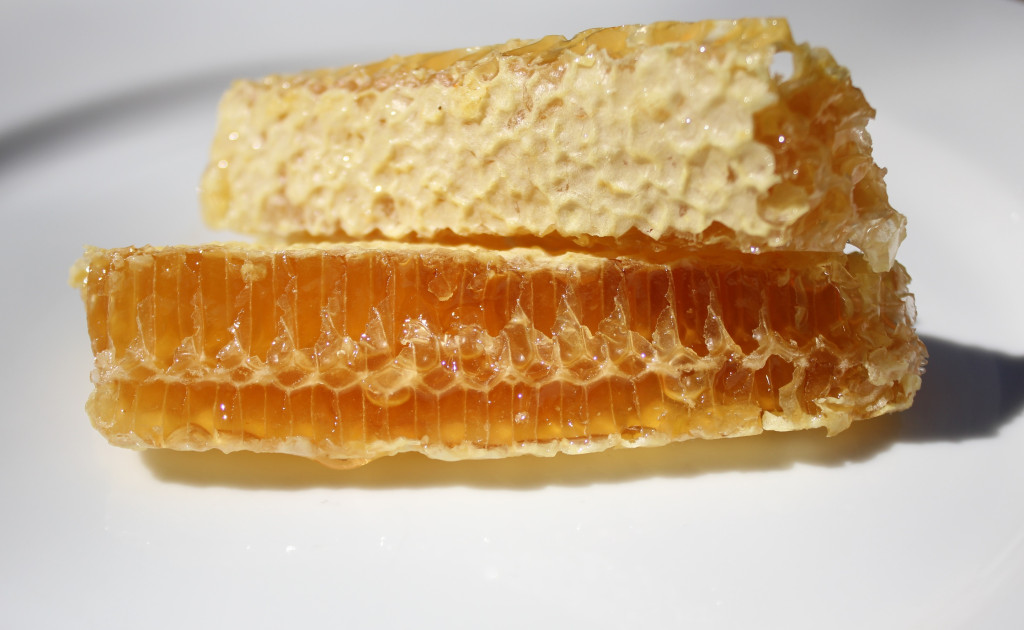
Honey: a form of address, miracle food, medicinal unguent and mysterious immortal time traveler, having been found in Egyptian tombs intact, it has survived thousands of years. If only those crusty, aged urns of the amber nectar could speak, they could convey untold stories. What honey’s secret to eternal freshness? Lack of moisture, according to the Smithsonian Magazine and a combination of the following factors that produce a rare quality.
First, the aforementioned low moisture content can be survived by only very few bacteria who technically suffocate in the honey. “They just die,” writes Natasha Gelling, quoting Amina Harris, executive director of the Honey and Pollination Center at the Robert Mondavi Institute at University of California. Honey is a sugar and it’s hygroscopic, meaning that it contains very little water in its natural state, but “can readily suck in moisture” if left in an open container.
Second, honey is very acidic with a pH value between 3 and 4.5. “The acid kills whatever wants to grow there,” states Harris. Next:
“Bees are magical,” Harris jokes. But there is certainly a special alchemy that goes into honey. Nectar, the first material collected by bees to make honey, is naturally very high in water–anywhere from 60-80 percent, by Harris’ estimate. But through the process of making honey, the bees play a large part in removing much of this moisture by flapping their wings to literally dry out the nectar. On top of behavior, the chemical makeup of a bee’s stomach also plays a large part in honey’s resilience. Bees have an enzyme in their stomachs called glucose oxidase (PDF). When the bees regurgitate the nectar from their mouths into the combs to make honey, this enzyme mixes with the nectar, breaking it down into two by-products: gluconic acid and hydrogen peroxide. “Then,” Harris explains, “hydrogen peroxide is the next thing that goes into work against all these other bad things that could possibly grow.”
So, with honey being thick enough to put on wounds and containing just enough hydrogen peroxide, it’s the perfect healing unguent. Store your honey in a sealed, airless jar and it will never spoil.
Manuka honey, which is made in New Zealand from the nectar of Leptospermum scoparium, is the basis of Medihoney, which the FDA approved in 2007 for use in treating wounds and skin ulcers.
You may not be surprised about colony collapse disorder if you’re familiar with the large-scale, commercial beekeeping industry. Rather like industrial agriculture in its approach, facilities keep millions of bees in expansive fields that look, ironically, like military graveyards. Commercial “migrant” beekeeping outfits also rent bees out to large-scale agriculture, transporting hundreds of hives on enormous trucks with the bees in them and that’s before you add in pesticides and GM crops. It must be confusing and highly stressful to be a commercial bee.
There’s more urgency than ever to support locally-produced, small-batch honey. The Phoenica Honey Company, based in Phoenicia, New York, buys raw honey wholesale from apiaries in Ulster County and infuses it with natural additives like cinnamon, lavender, star anise, ETC. Proprietor Elissa Jane Mastel buys organic additives where she can and never heats the honey to above 112F and has plans for a thyme and pecan infused honey. The resultant infusions are light, delicate and perfect with tea. Phoenicia Diner and Mama’s Boy Coffee in Phoenicia and Bumble & Hive in Rhinebeck serve Phoenicia Honey Company’s honey.
At Griffins Corners in Fleischmanns, Chase Kruppo is developing Chasing Honey Farm, a new honey haven, on a family plot of five acres. It’s a new long-term sustainable agricultural venture wherein members can “buy-in” on a beehive and either, receive the honey from their bees, the proceeds from the sale of their honey at market, or a combination of both. Chase’s mission is “to create jobs, craft superior honey, and aid a declining bee population”. Watch a video presentation of Chasing Honey Farm here.
“Honeybees pollinate one third of grocery produce and it is vital to the Upstate region to secure the food it produces by supporting its pollinators,” says Chase. “46% of bee hives reporting in New York State were lost last winter due mainly to starvation and excess moisture. Part of the 2015 expansion project of Chasing Honey Farm is the creation of an apple orchard, vineyard, and plantings of white currants, lavender, and mints. Creating summer-blooming food sources for honeybees help the hives build up honey reserves for winter.”
No honey can be certified organic because bees can roam up to five miles away from the hive in every direction, but if we all planted bee-friendly, pesticide-free vegetation, it would help keep local bees healthy.
Holiday Guide: How to Fill A Hip Flask Without A Funnel
Christmas is approaching. There’ll be caroling, midnight mass in unheated churches, parties in which you’ll not find the whisky to which you’ve become accustomed and bars wherein they’ll charge you $15 for a thimble-full of Scotland’s finest.
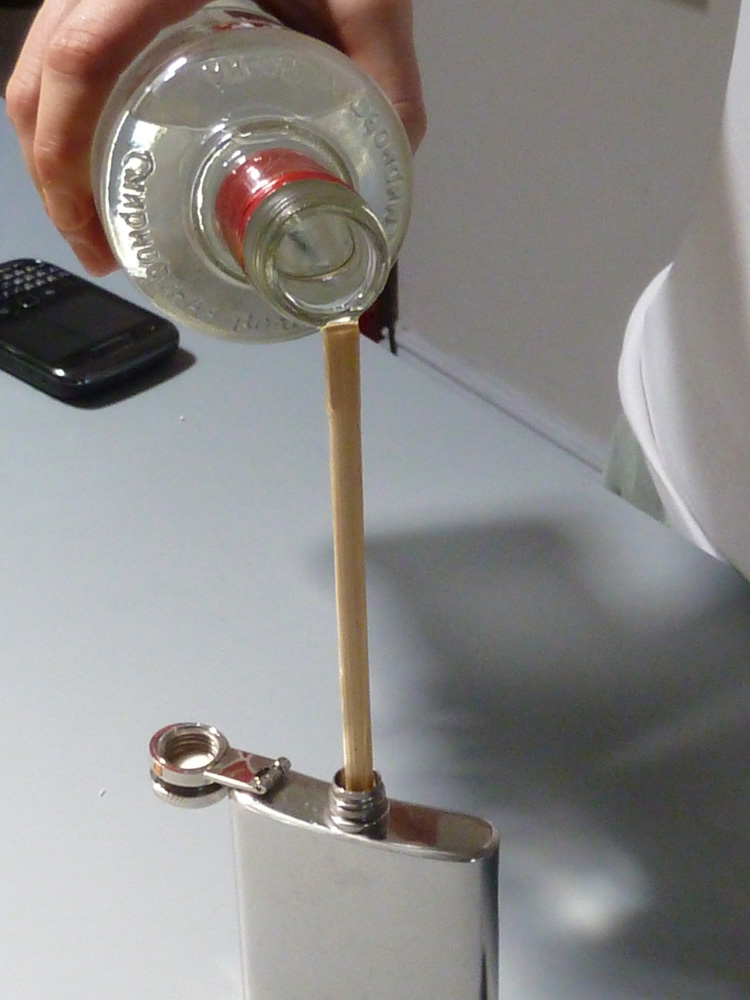
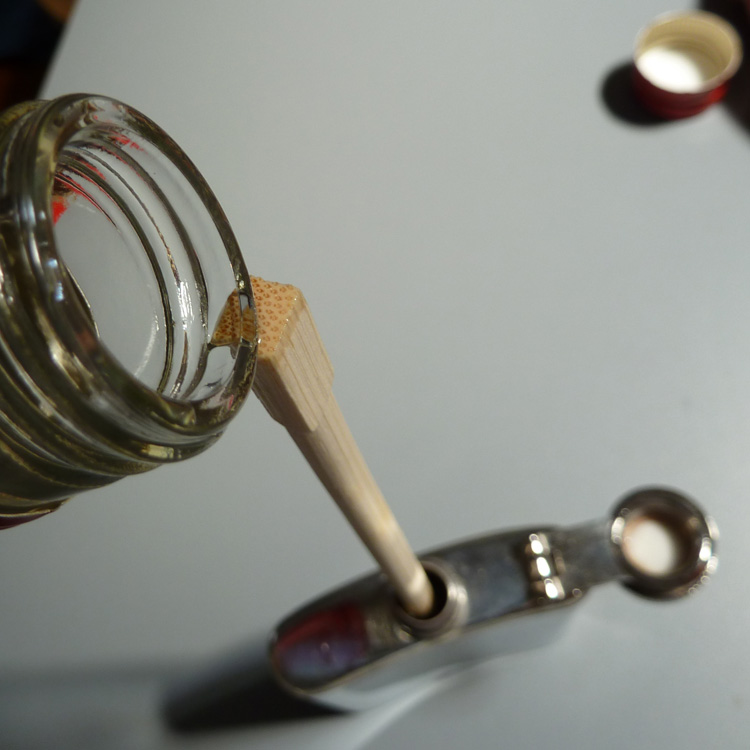
You’ll need a hip flask. Should you find yourself with an empty hip flask but no funnel this season, use a wooden chopstick. You’ll find one stuck between the center console of your car and the passenger seat.
Put the chopstick into the flask pointed side down. Hold the top of the (alcohol) bottle at the flat end of the chopstick and begin by gently soaking the top of the chopstick, then slowly follow this action through, tipping the bottle gently and pouring slowly.
Ensure that the chopstick doesn’t touch the inside of the flask rim when you’re pouring or the booze will spill over the side of the flask. In order to achieve this you can fix the chopstick, without having to hold it between your fingers, by trapping it in a horizontal position between the rim of the bottle and the bottom of the flask. You’re basically using the weight of the bottle to hold the chopstick in place while you pour. It’s easier to do this before you start drinking. A worthy flask should have its capacity stamped on the bottom in ounces or millliletres (see the third image on this post below) but if it doesn’t, a glass measuring jug or smaller bottle containing the flask’s capacity will also do the job.

Side Note: Compost
The Fine Art of Cultivation: Two Stones Farm
“The goal of farming,” wrote Masanobu Fukuoka, farmer and author of One Straw Revolution, “is not the growing of crops, but the cultivation and perfection of human beings”.
The delicate words of this Japanese maestro echo all over the Catskill Mountains as young people, city-bred and country-born, return to farming in droves. Agricultural courses spring up like new shoots across the Northeastern states to respond to demand. Furthermore, there’s a flurry of articles regularly in the media about diverse people quitting New York City. Young, old, wealthy and those tired of the city’s rising cost of living are all looking to make upstate their home. Homesteading is an art in itself and the Catskills are bustling with creative activity. Small-scale farming, the kind that covers the property’s operating costs, doesn’t have to be an enormous amount of work and new busy upstaters with enough capital can now hire farmers and farmer’s apprentices to run their farms while they continue their existing businesses. City transplants who have made the leap quickly find that there’s an invigorating honesty in land cultivation that is rarely found in city life.
Novice homesteaders looking for an exquisitely picturesque organic farm on which to model their fledgling operation should look no further than Two Stones Farm in Halcott, New York.
Know Your Soil
Knowing your soil and knowing what grows well in your environment is key to getting illustrious crops year after year.
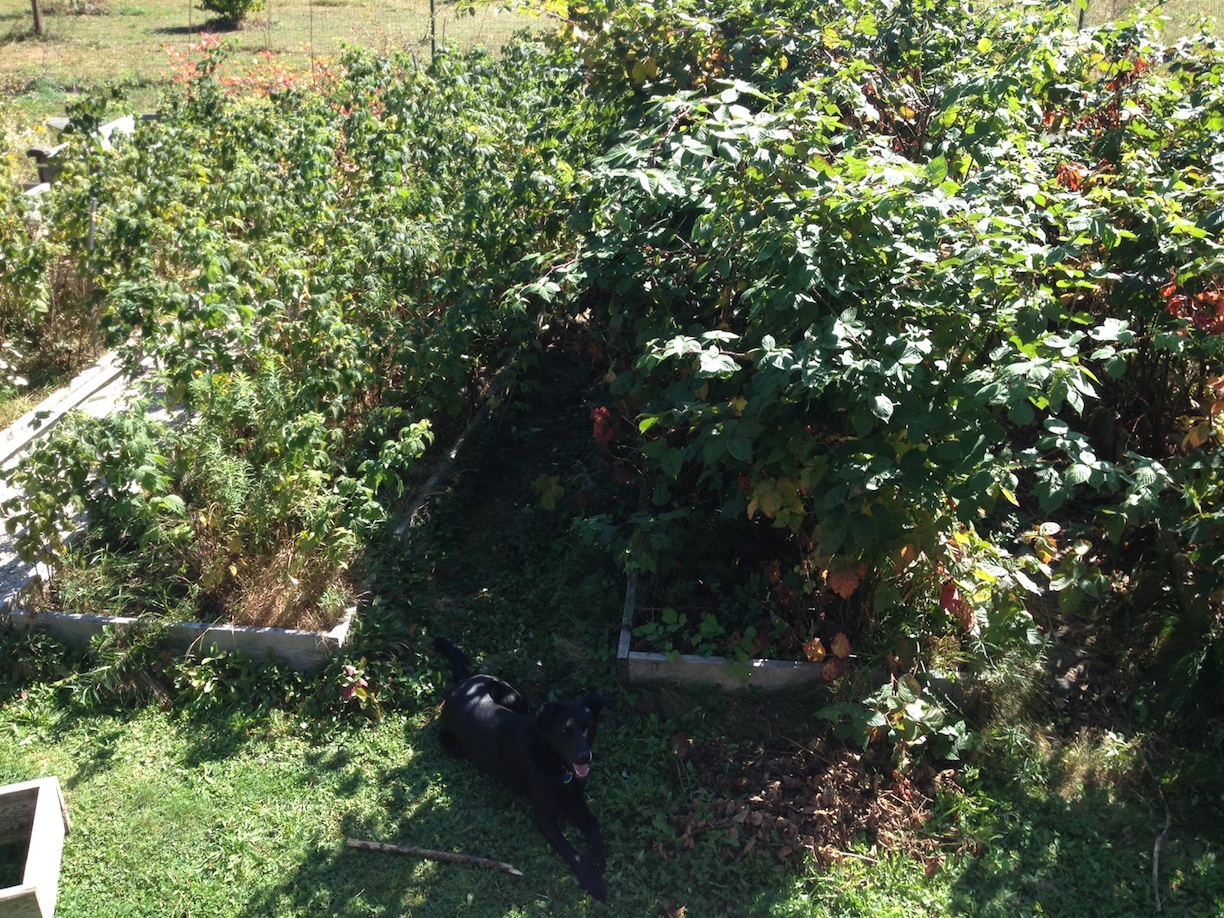
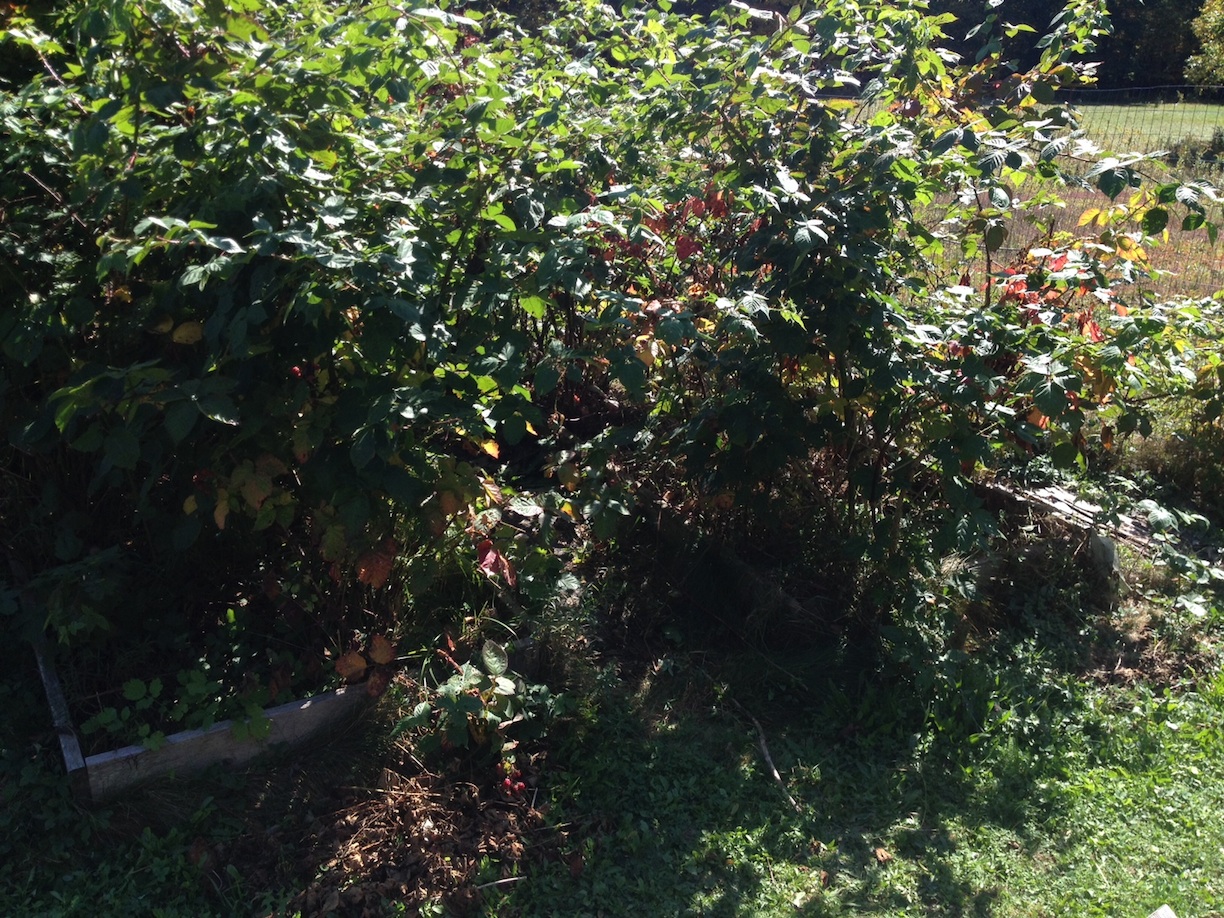
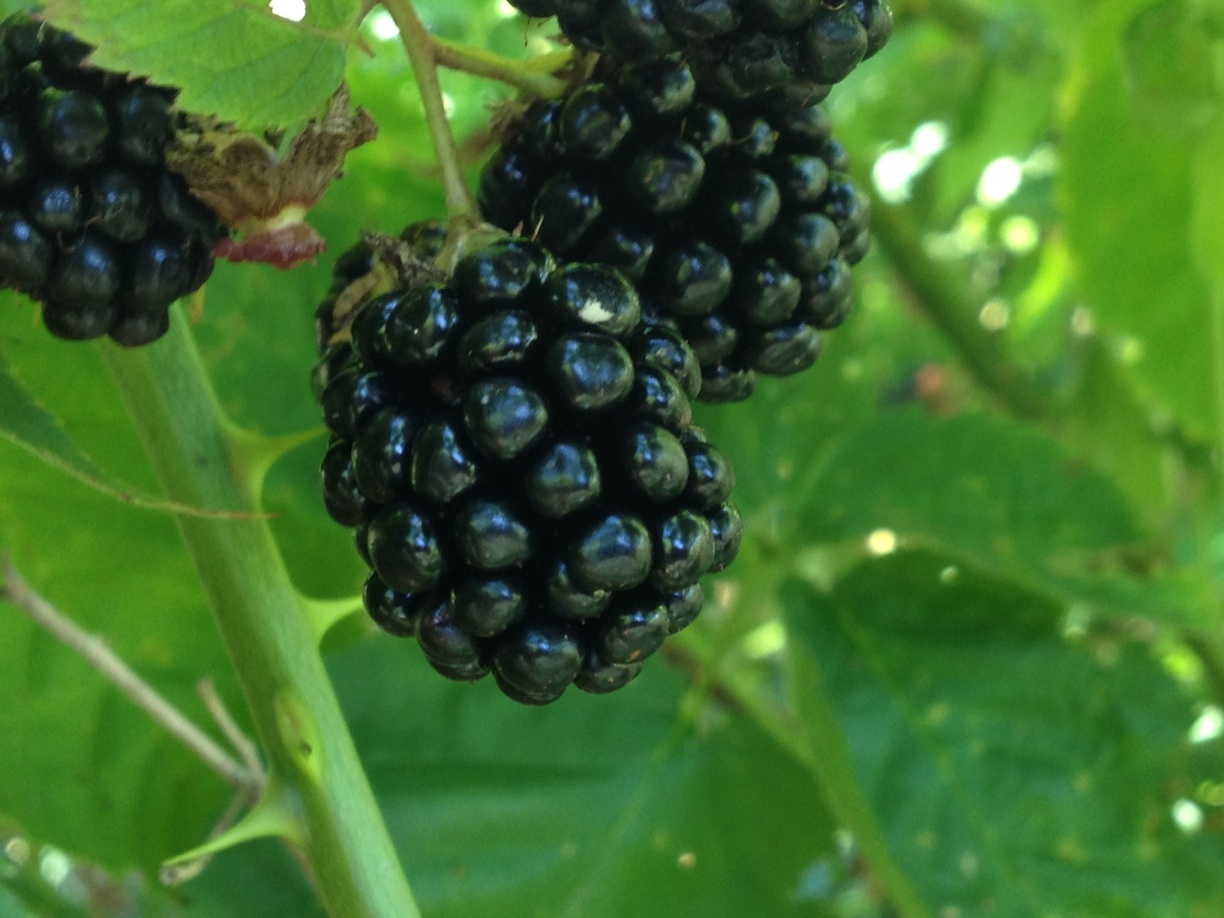
Shortly after moving to a 2500ft elevation in the Catskills, Michael Urbanski was advised to plant berries, among other crops, and they are thriving in the rocky, mountain soil. The berries have literally gone wild, growing underneath the garden fence and into the neighboring field and overtaking neighboring raised beds. They were started with a few reeds and, despite extensive winter pruning, still return aggressively every year yielding abundant crops well into October.
You can see the two original wooden raised beds in the image below:

The two original wooden raised beds: blackberries on the right, raspberries on left, dog in the middle…
The blackberries overtook the bed to their right and went underneath the fence and out into the wild:
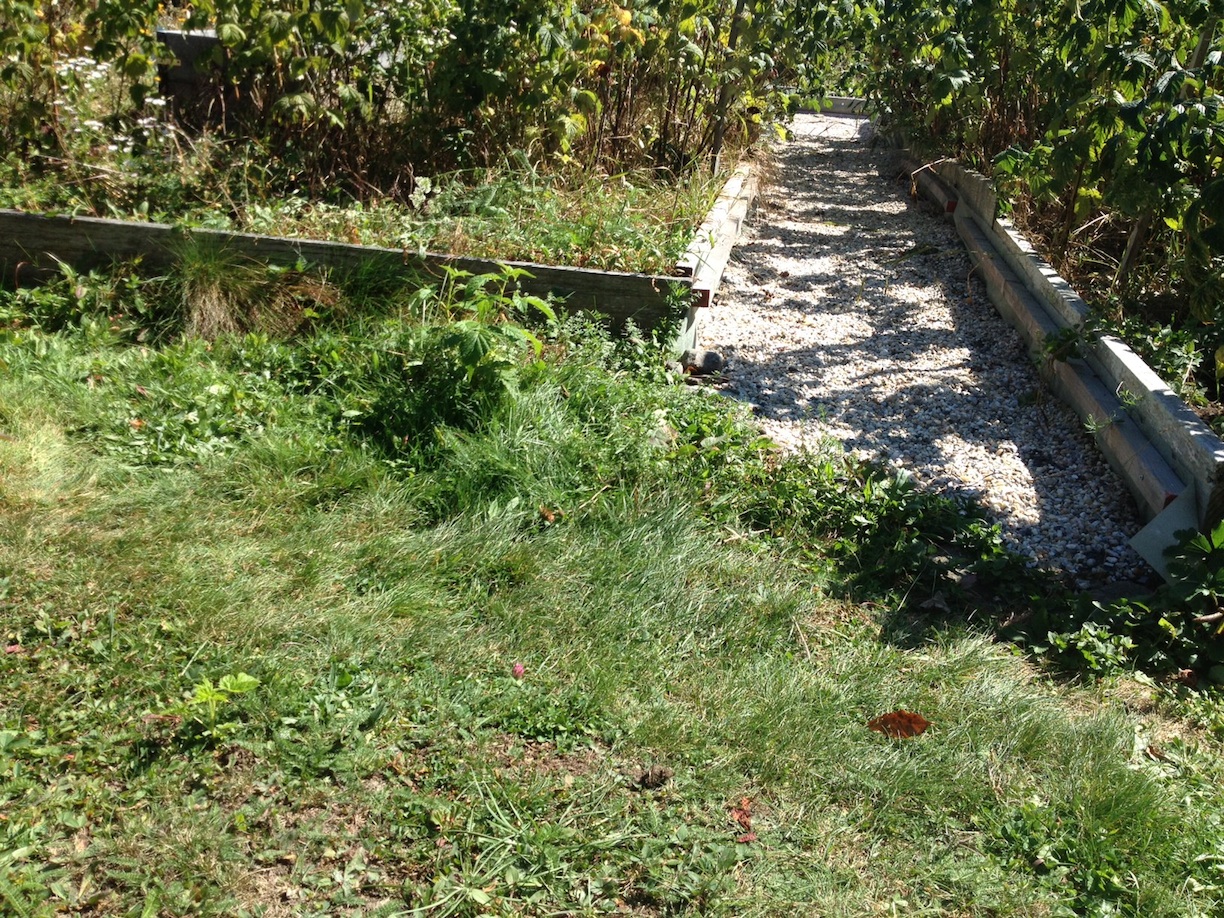
A similar pattern occured with the raspberries growing in the left bed. In the picture below, they started in the bed on the right and over time spread into two adjacent beds and out into the main garden area.
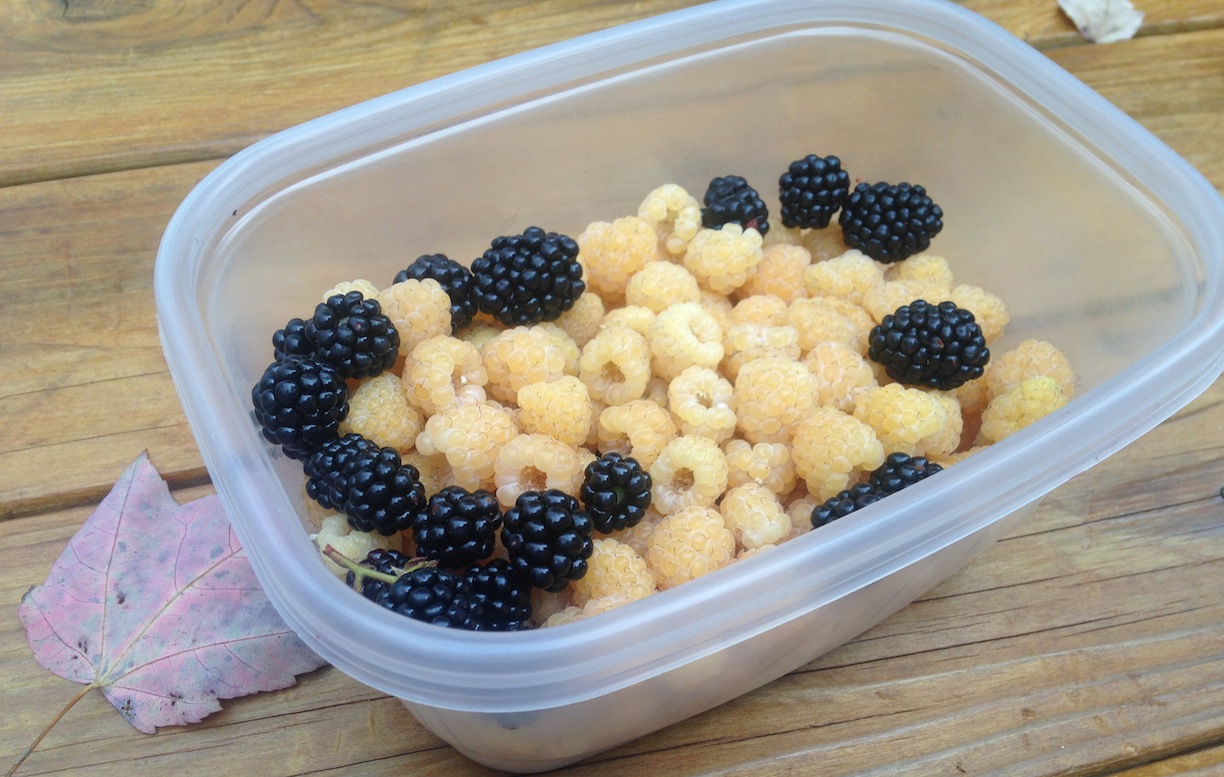
Says Michael: “I’m curious to see if the reeds growing beyond the fence will produce next year, and if so, if they’ll survive the local scavengers long enough to be harvested. They are prolific growers, and require very little maintenance except for an annual prune. Be warned though, never plant these things anywhere near other projects that you have because as you can see they will quickly spread and overtake a large area if left unattended”. With minimal effort, these garden berry crops are yielding at least two to three pounds of fruit a day over the Summer season and into the Autumn simply because it’s an ideal location for them. Plant food that thrives in your particular environment and trade with neighbors.
Hops: The New York State Revival
In 1976 the New York State legislature passed the Farm Winery Act, a law that allowed small wineries to sell their products directly to customers for the first time. The success of Finger Lakes Wine Country in the 30-odd years since that Act had legislators pondering if they could do the same for the state’s beer industry and in 2012 they passed the Farm Brewery Law. The law took effect in January 2013.
The Farm Brewery Law allows for the issue of a new Farm Brewery License. Supported by New York State Senator David Valesky, it’s designed to provide an incentive for farmers to grow hops and other agricultural products associated with the production of craft beers and cider. Continue reading
Side Note: Country Life
You’re walking your dog. You’re 100 feet away from your house and you’re hearing a low rumble.
“What’s that noise? What’s that noise?” you ask your dog. He looks at you riveted, with his head cocked to the side, thinking: “any minute now I’m going to suddenly understand what she’s saying”.
You walk slowly back your house, saying “is somebody having work done?l”
As you walk up to the front door, the noise gets louder… and you realize…it’s your hot water heater kicking on.
After a while, the fridge will wake you up at night and you will start needing earplugs like you did in the city.
Welcome.
Forest Management
If you’ve bought a parcel of land with forest, there are plenty of things you can do to maintain it. You can sell trees or use them for firewood.
If you have dead trees on your property, you can tell that they’re dead now by observing that they have no leaves. Before Autumn rolls around, right about now, you can go through your forest and paint the dead ones, so that when all the leaves are gone you have a reminder of which ones are dead. This gives you time over the winter to fell, chop and season the wood. (Only paint them green if you’ve run out of white spray paint and need to get the job done today.)