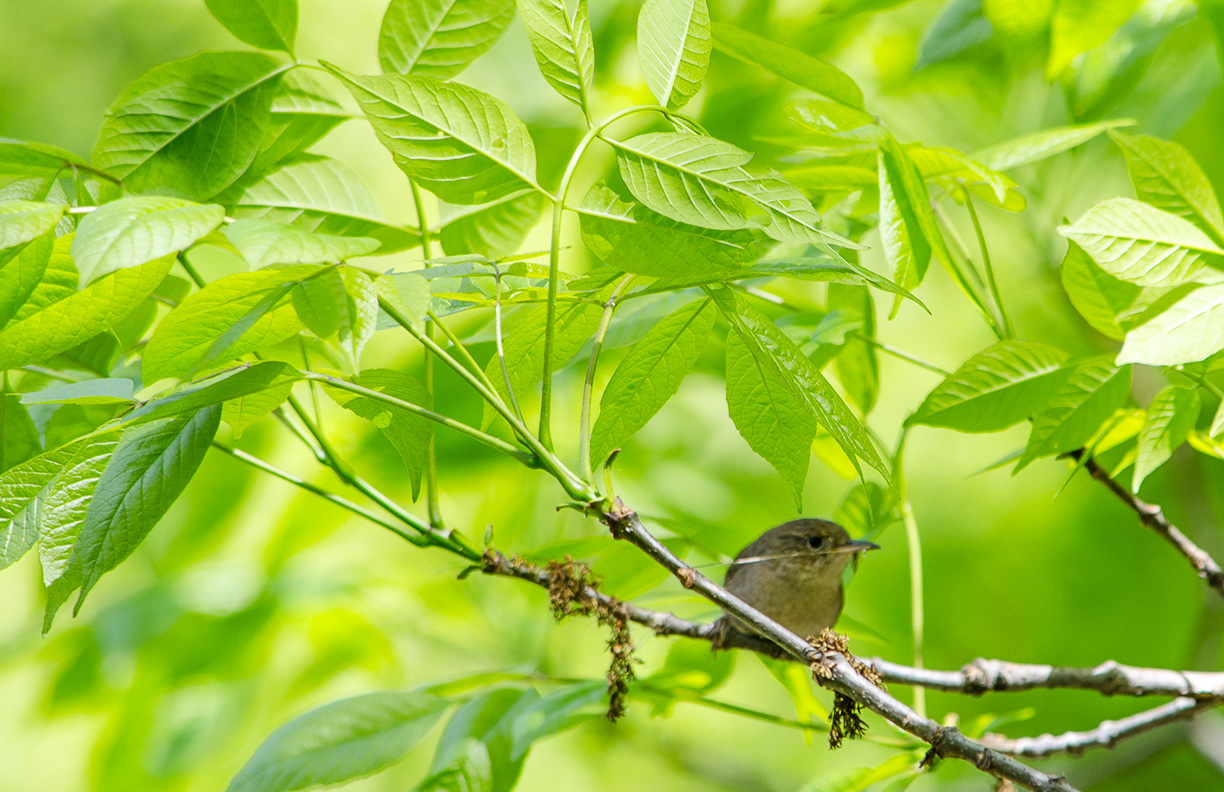
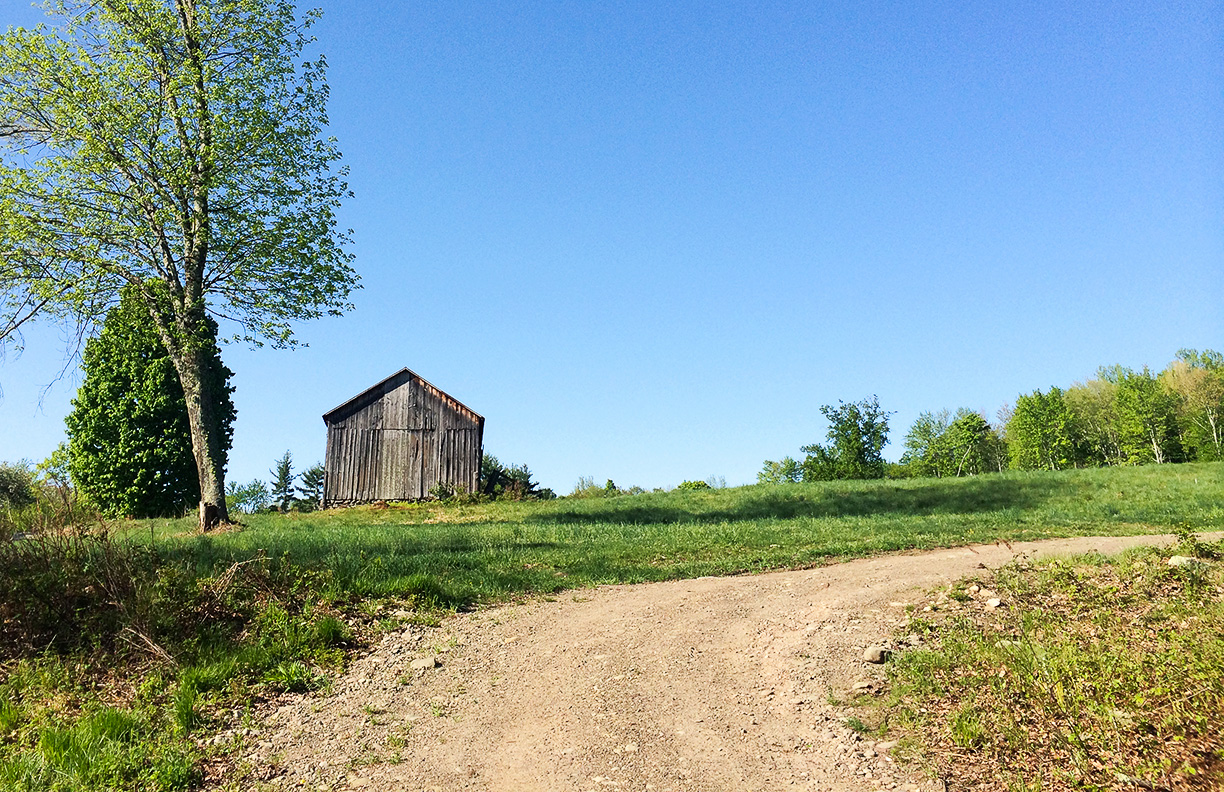
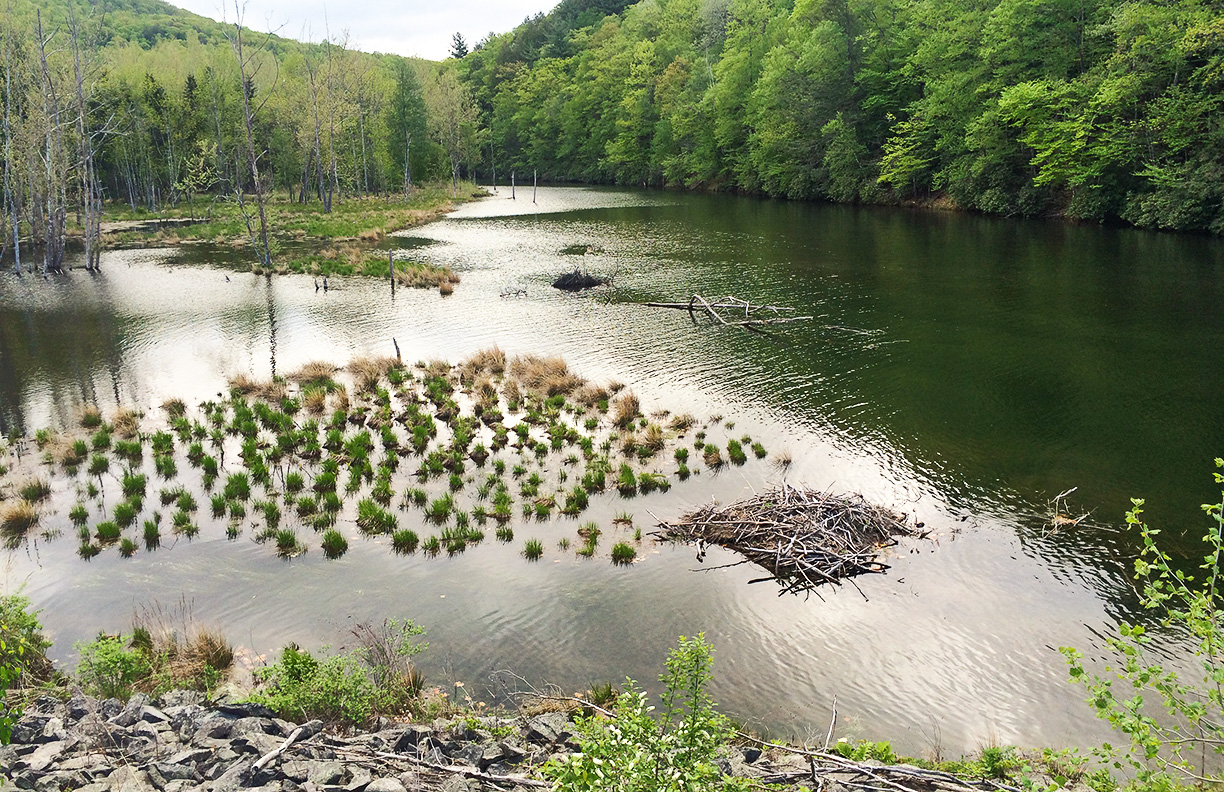
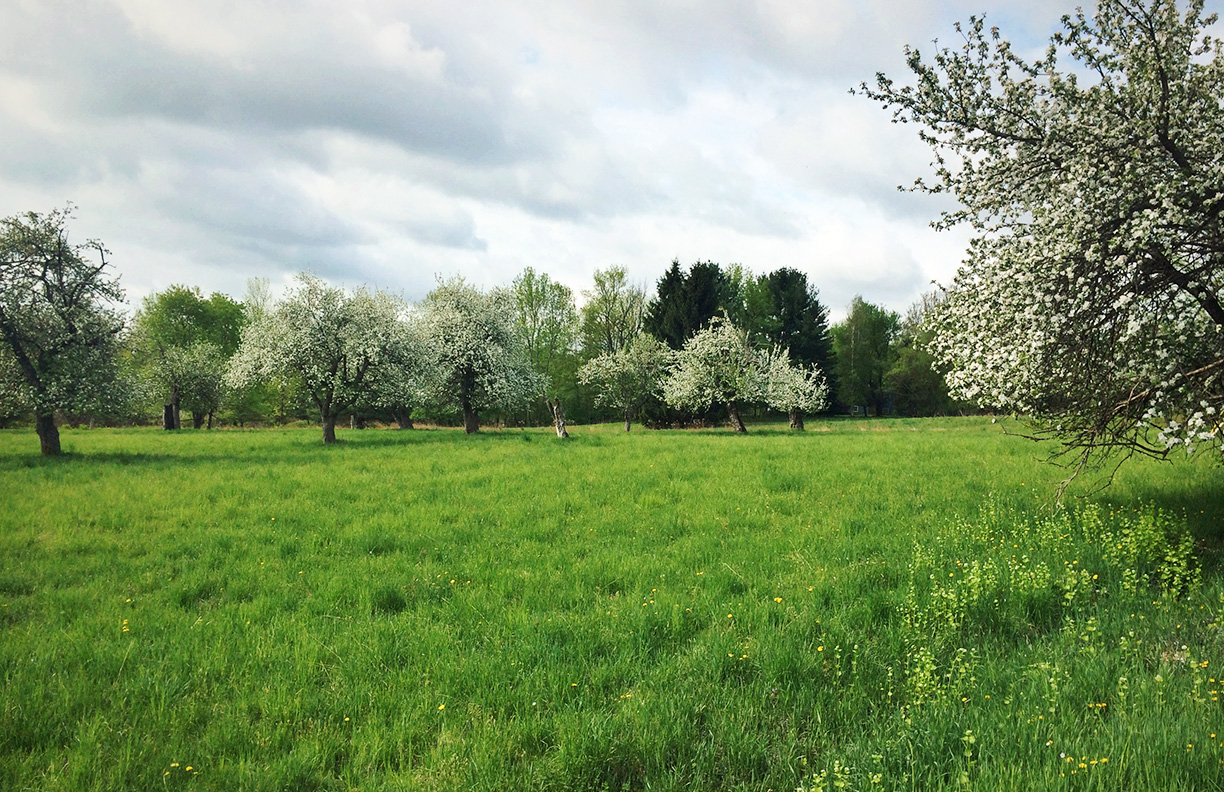
A very damp morning with dawn showers and 70F at 9am. The morning sun burned through the hazy cloud. More morning showers and 80F by 1pm, brightening up by 2.30pm with cloudy skies and breeze in the trees.
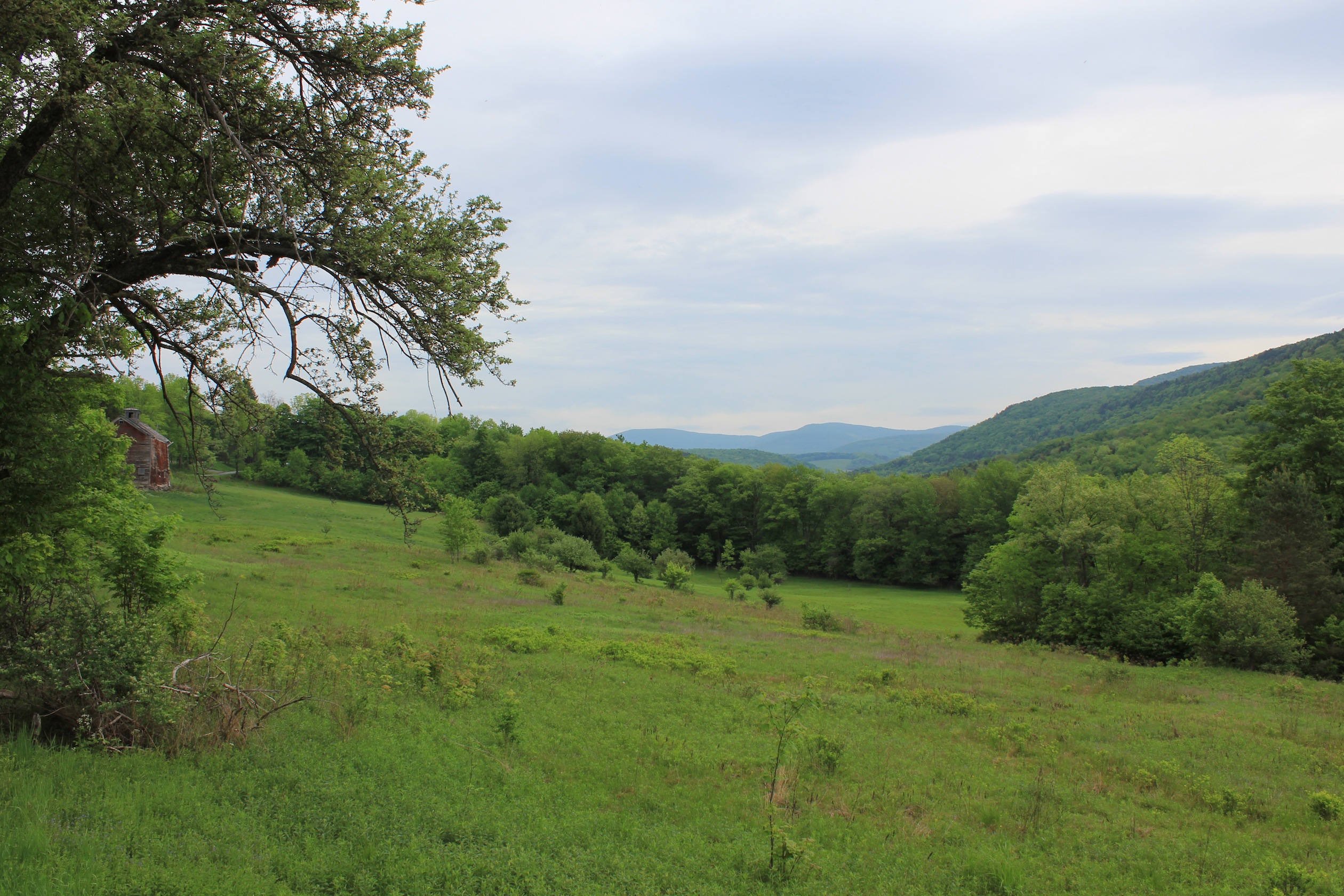
© J.N. Urbanski 9am
A very damp morning with dawn showers and 70F at 9am. The morning sun burned through the hazy cloud. More morning showers and 80F by 1pm, brightening up by 2.30pm with cloudy skies and breeze in the trees.
© J.N. Urbanski 9am
72F by 11am and breezy with bright sunshine burning through very hazy cloud cover. 85F and mostly cloudy by 3pm.
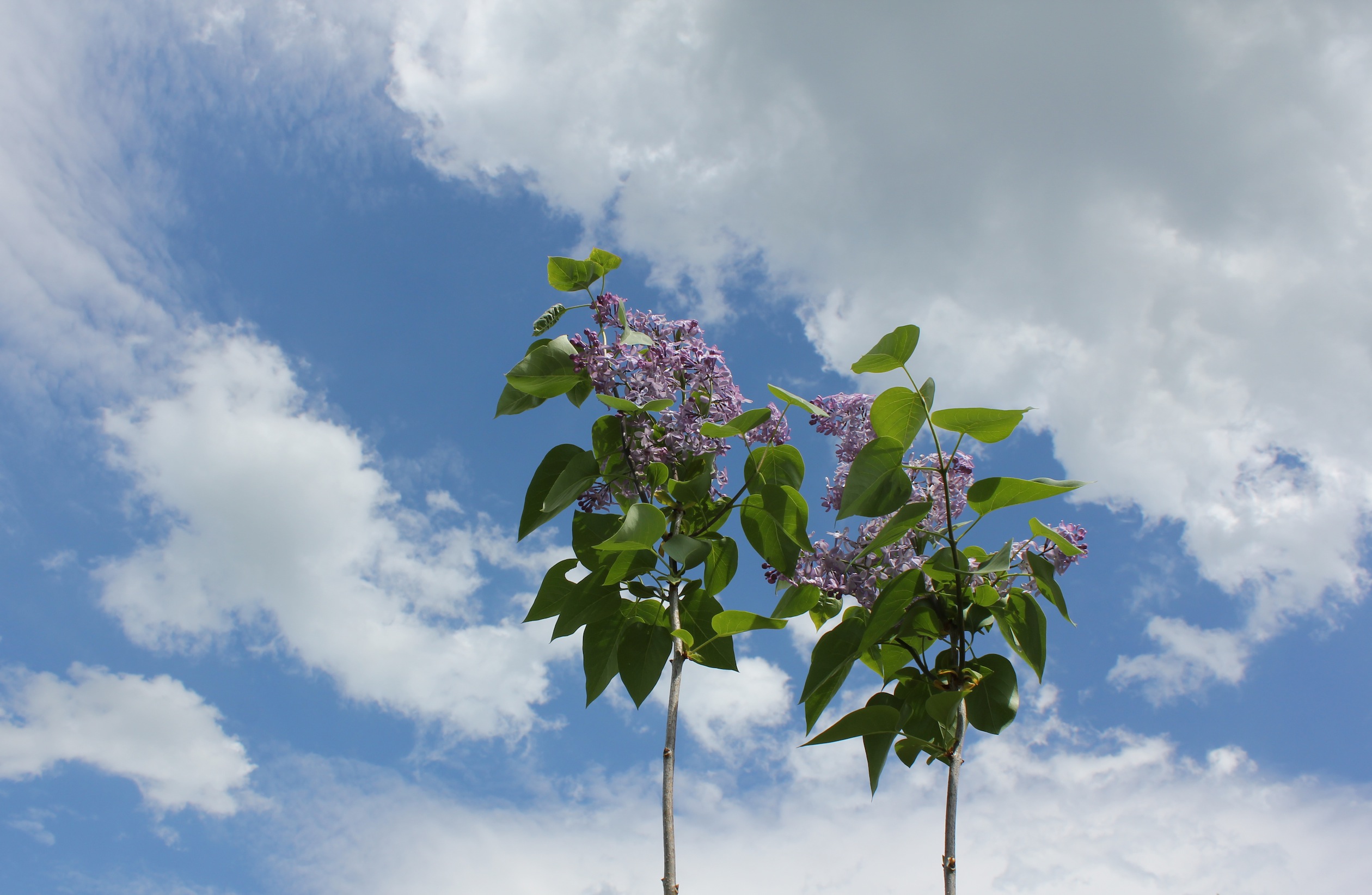
© J.N. Urbanski 3pm
74F and warm in the sunshine. Hazy, wispy, cloud. Gorgeous Sunday for Memorial Day Weekend.
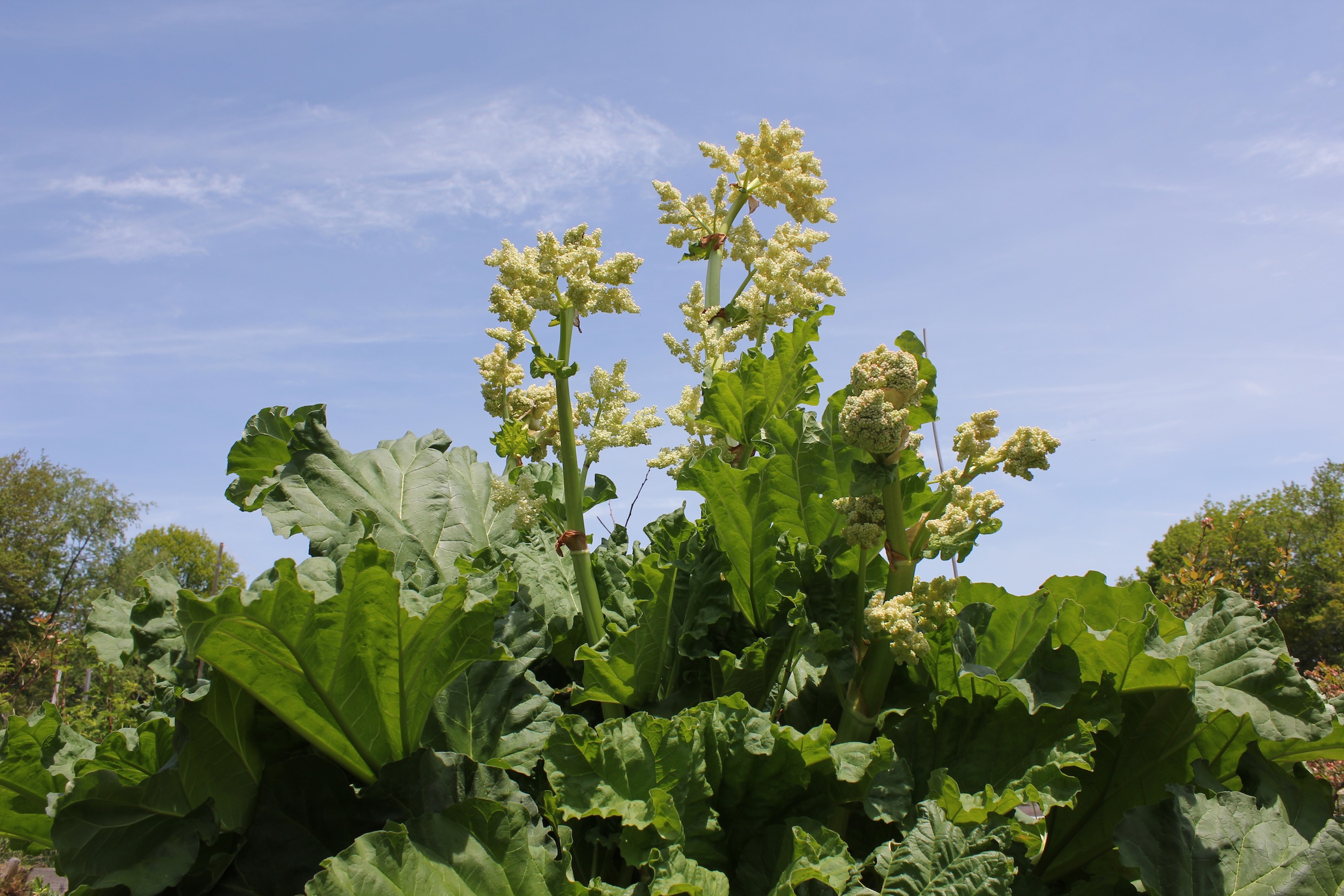
© J.N. Urbanski Noon
60F by midday. Clear skies and very warm in the sun. Yard sales abound on Memorial Day weekend. Update: last night’s frost, which saw temperatures in the twenties, killed off the tomatoes, potatoes and some asparagus. The broccoli is also looking very poorly.
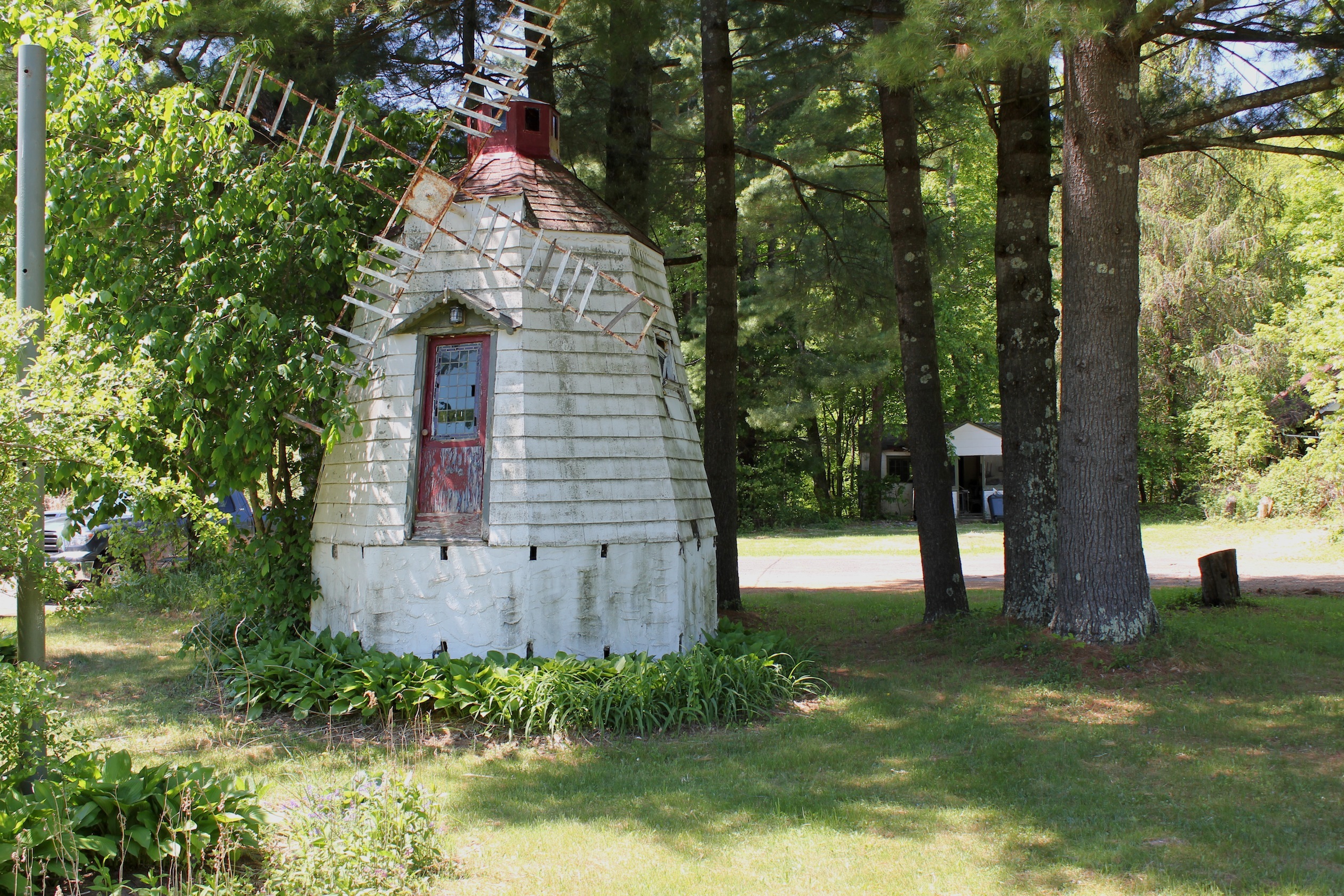
© J.N. Urbanski 11.30am
 Co-incidentally, neither can I imagine a better way to kick off Memorial Day weekend than with a cold beer and a Pixies concert under the stars on the back lawn of Ommegang Brewery in Cooperstown, New York. Buy tickets here.
63F by 10am. Warm in the sunshine and breezy by 10am.
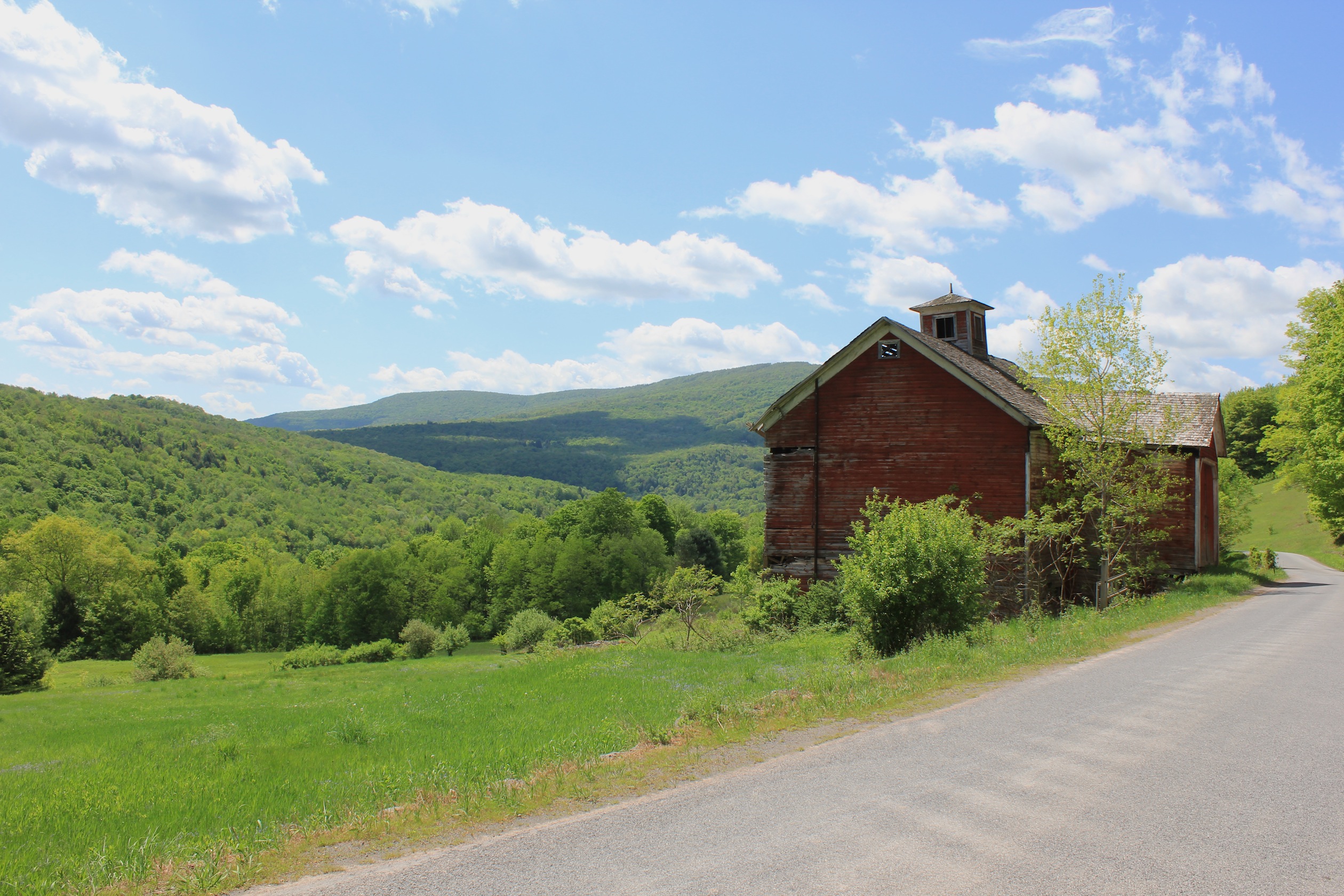
© J.N. Urbanski 11am
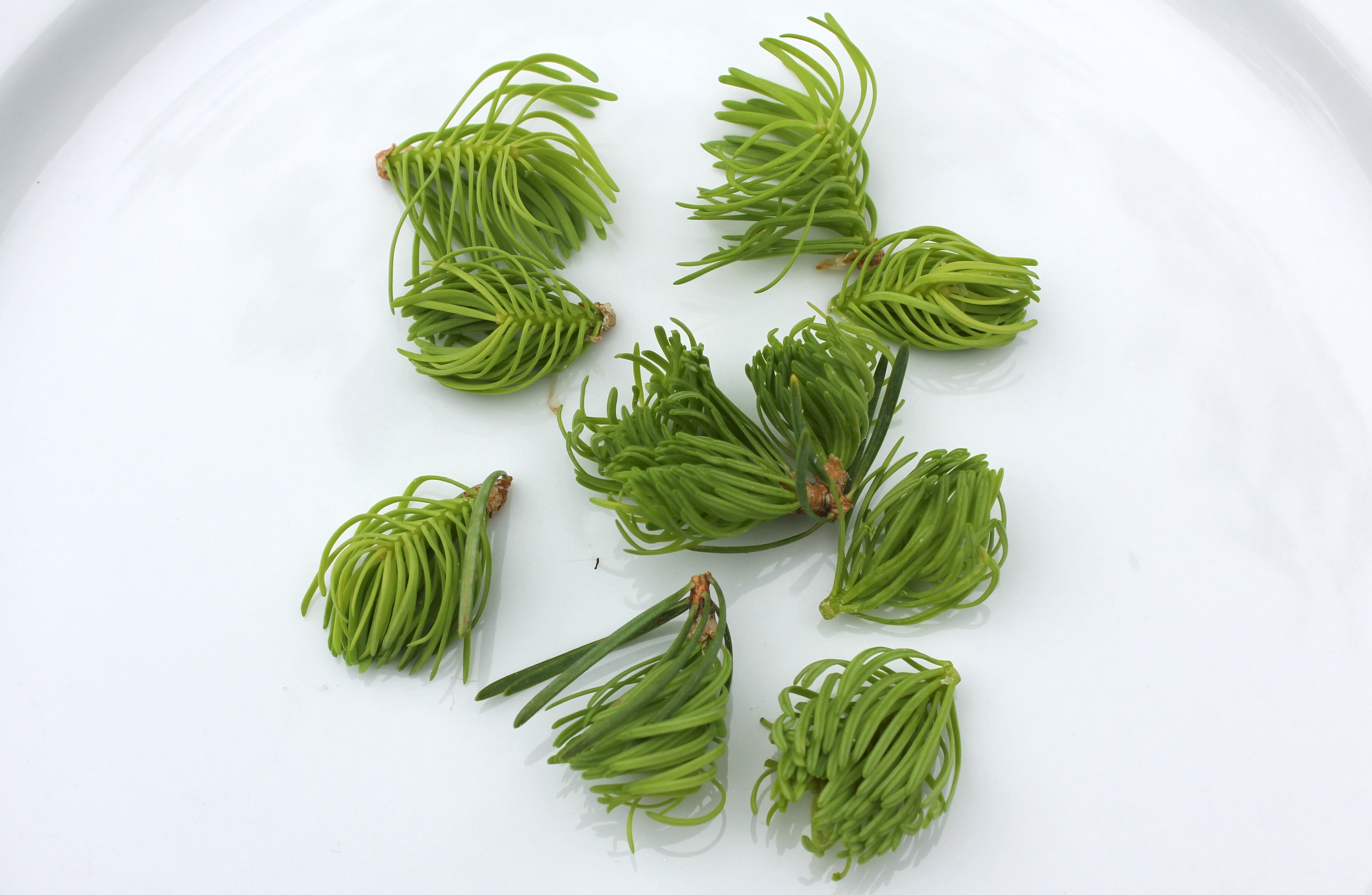
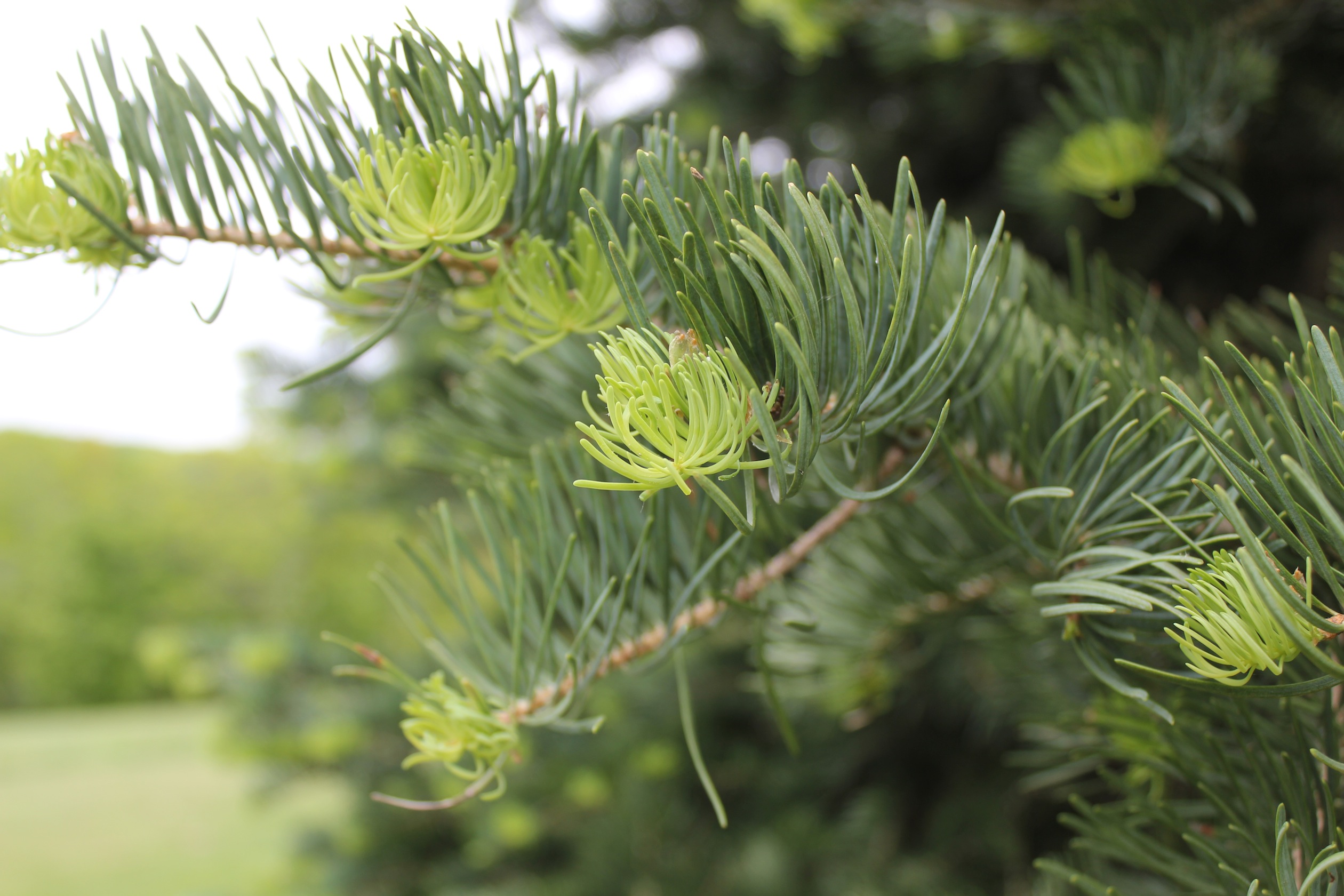
I am told by my pal, Laura Silverman, that spruce tips are ready to go. They are the brilliant green shoots that unfold from growths at the ends of the spruce spindles in May. They are much a much brighter green than the needles on the spindle and stand out in stark contrast to the tree itself. Snip the green shoots off and eat raw; they are packed with chlorophyll and Vitamin C. The aroma of only one of these little shoots is sensational. Literally spruce up a living room, pocket, bag or underwear drawer. They freeze well, so you can get your Vitamin C in the winter too. You can make tea, use in soups and salads. You can also crush them and make a pesto like you can with the garlic mustard. Recipes will be forthcoming over the weekend.
© J.N. Urbanski
43F at 8am and grey, which goes well with green. 60F slightly less grey at 2pm.
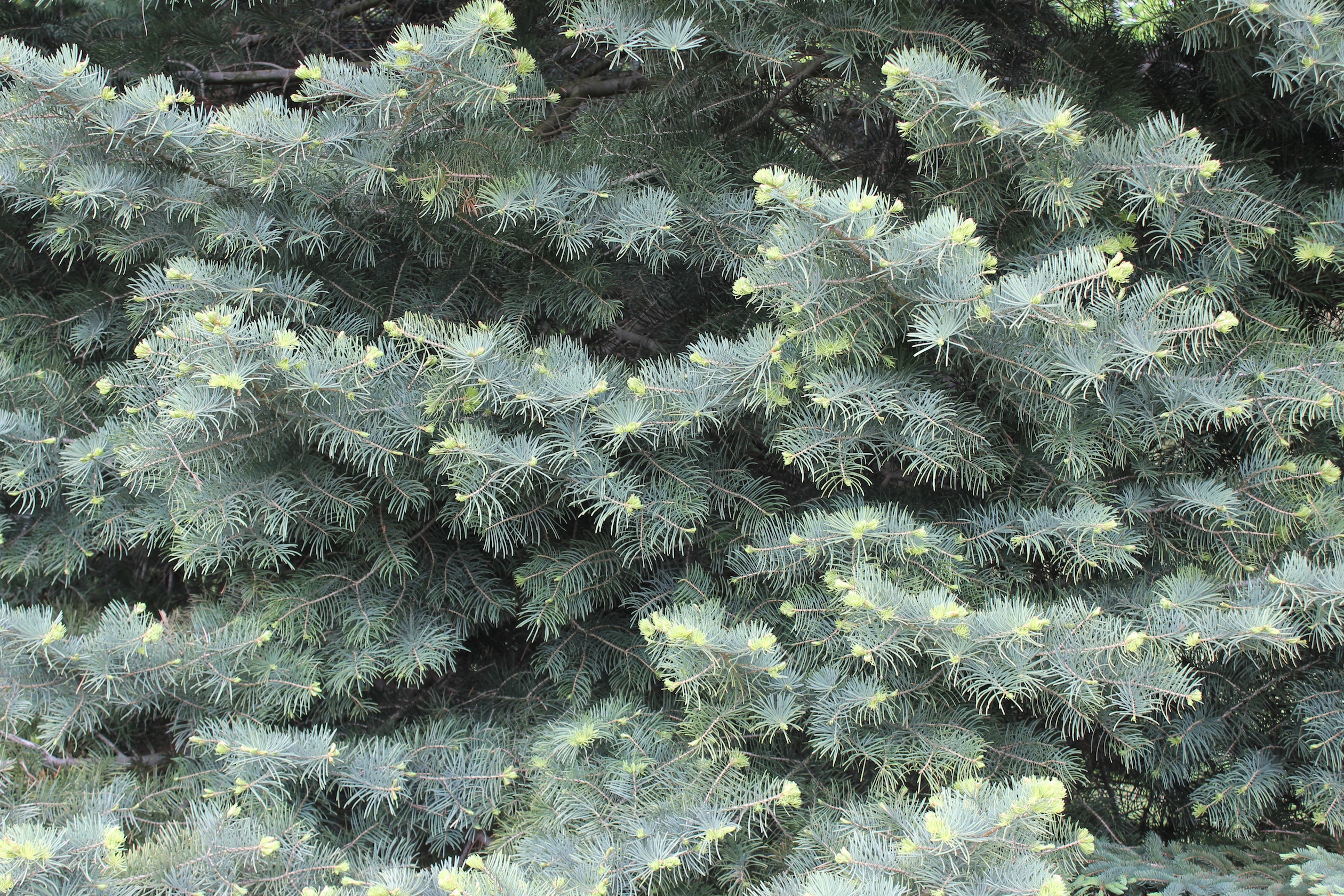
© J.N. Urbanski 2pm
© J.N. Urbanski 5/21/15 1pm
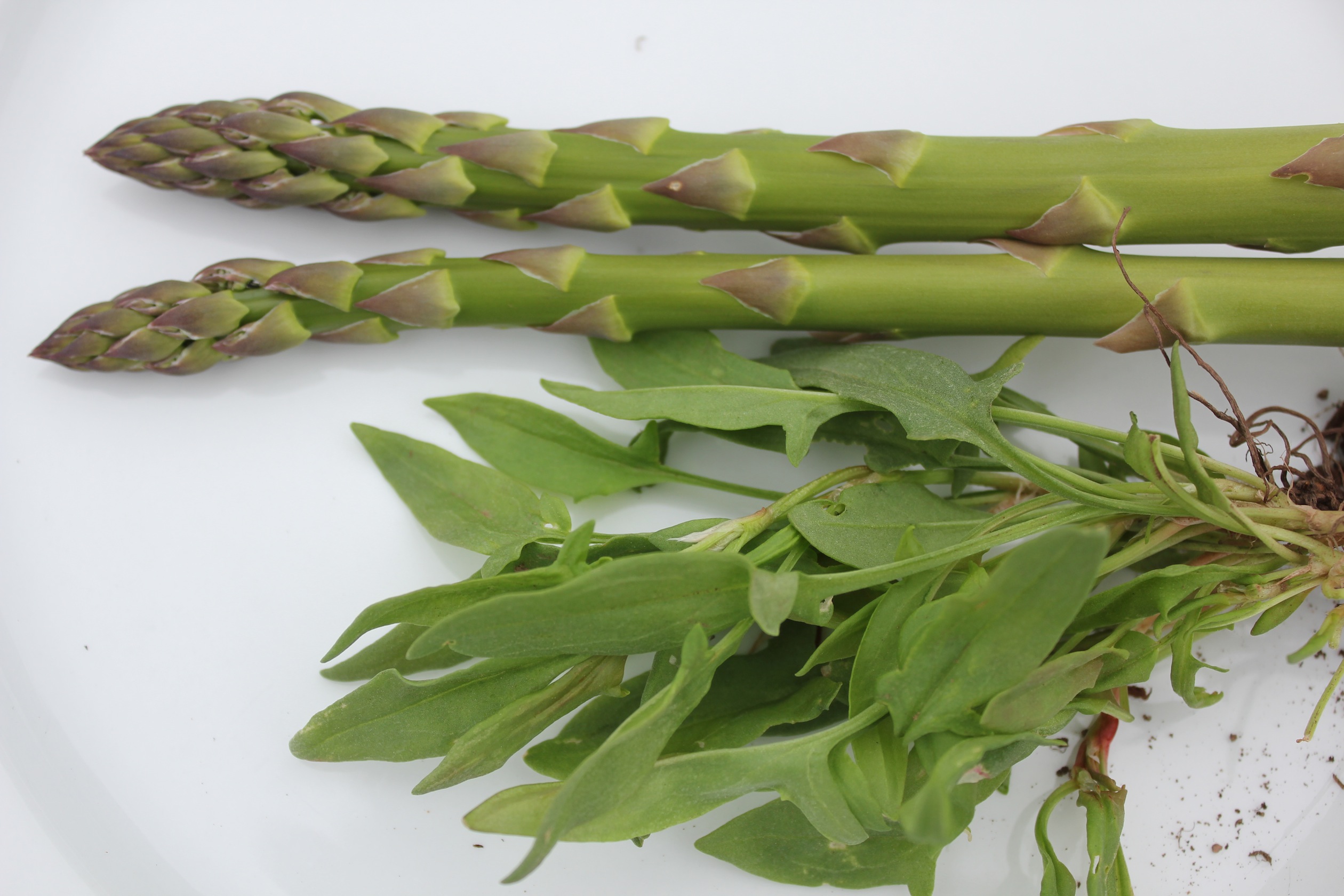
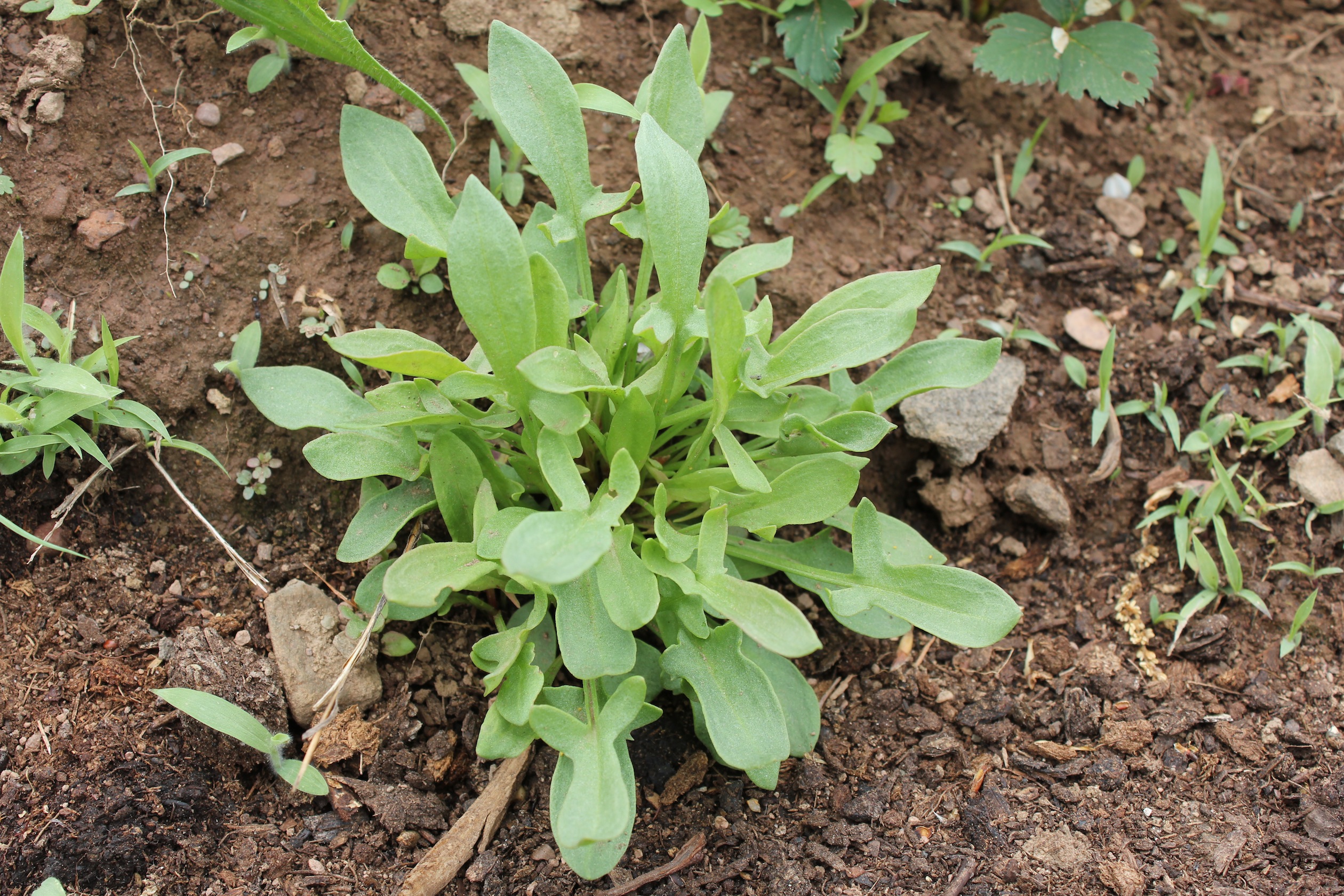
Straight out of the ground and into the belly: a powerful organic, raw, vegan lunch and you don’t even need a plate much less a table. The tomatoes may have been endangered by last night’s frost, but the sheep sorrel which grows in the asparagus bed is a hardy little plant. Sheep sorrel is an edible weed that has the texture of spinach with the tasty tang of lemon, which makes it perfect for soups. It wilts quickly once picked, so it’s best just to eat it raw with some juicy asparagus. Sheep sorrel has an arrowhead leaf and grows in a rosette formation.
© J.N. Urbanski 5/21/15 1pm
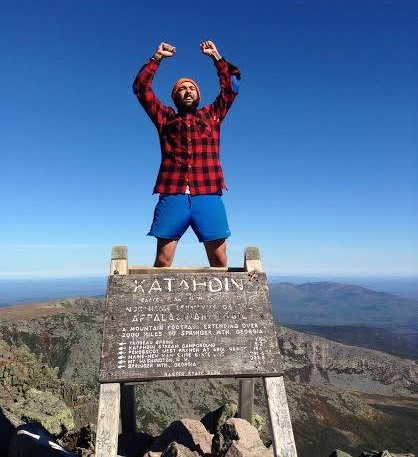
Photo Courtesy of Jeff Vincent
Jeff Vincent is proprietor of the new mountain guide business Catskill Mountain Wild, in Catskill, New York.
JN: How long have you lived in the Catskills?
JV: I was born in the town of Catskill 28 years ago.
So you’re a born and bred mountain man. You never wanted to leave? Usually young people leave here by the thousand every year.
I have left a few times and I came back. I lived in Denver for a year or so. I was in San Diego for a little while, but I really, really love this area, now that I’ve grown up and got all of that out of my system. I through-hiked the Appalachian Trail last year, so that got me away for six months.
© J.N. Urbanski 5/18/15 12.30pm
I’m eight months into my Daily Catskills project, in which I take one image a day and publish it on the day. There’s such an incredible abundance of life to record here though, that sometimes I spend all day deciding on one image. I take anywhere from one to 100 images a day on the days that I haven’t hired another photographer to do the job. A couple of weeks ago, I took 95 images of the same cherry tree stand at different angles and I didn’t like a single one of those images I took. I reluctantly published the image that I thought was the best, but changed my mind – and it – several times and eventually gave up and moved on. The whole process took four hours. Needless to say, I have thousands of unpublished images and there are plenty of vantage points in these mountains from which I’ve taken a picture many times, capturing snow, rain, mist and sun from the same location.
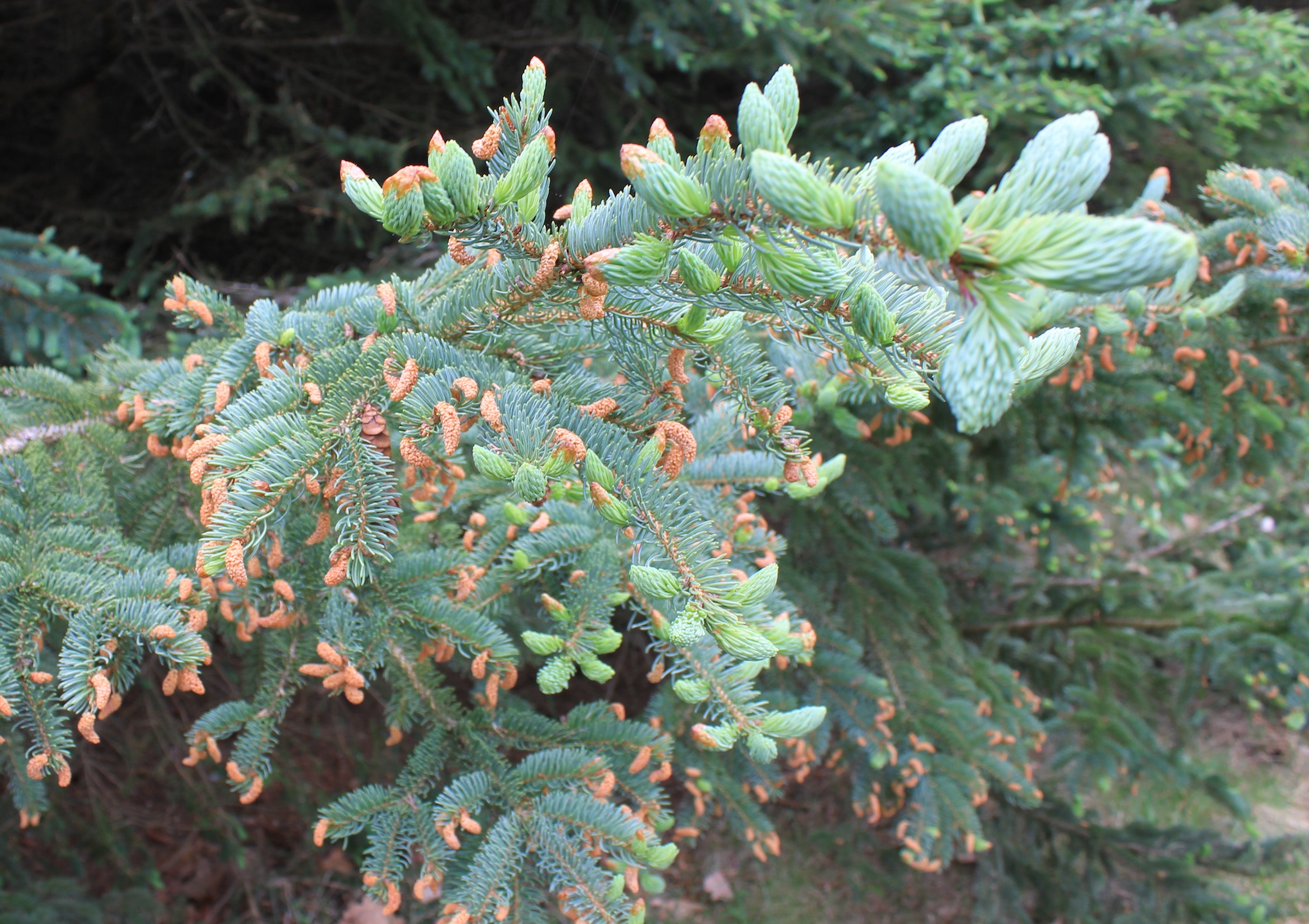
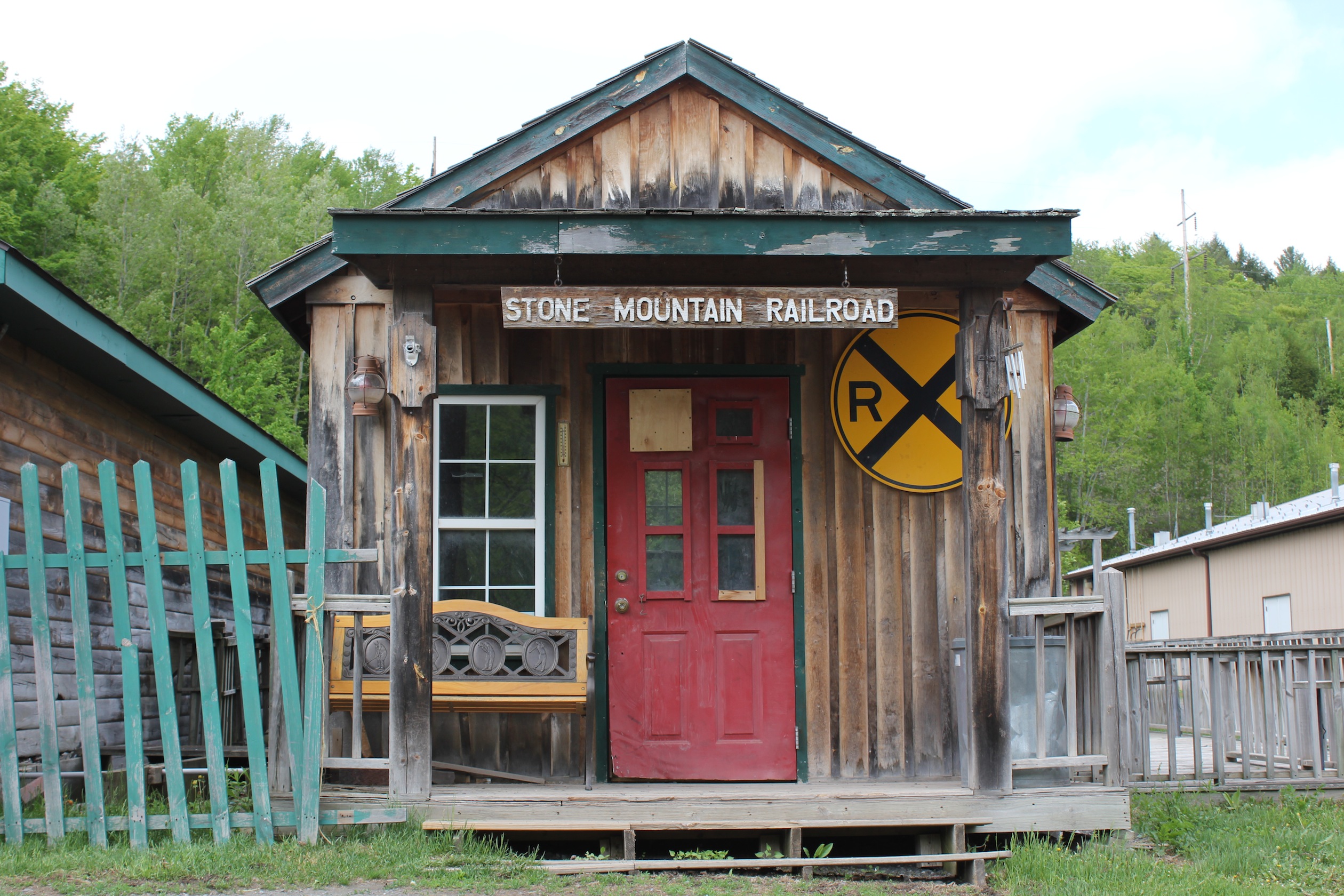
A gloomy and dismally overcast morning with light winds, still on 44F at 9am. Gusty and raining by noon. Update: still overcast by 3pm with briefest glimpses of sunshine.
© J.N. Urbanski Noon
© J.N. Urbanski 2.30pm
© J.N. Urbanski Noon 5/07/15
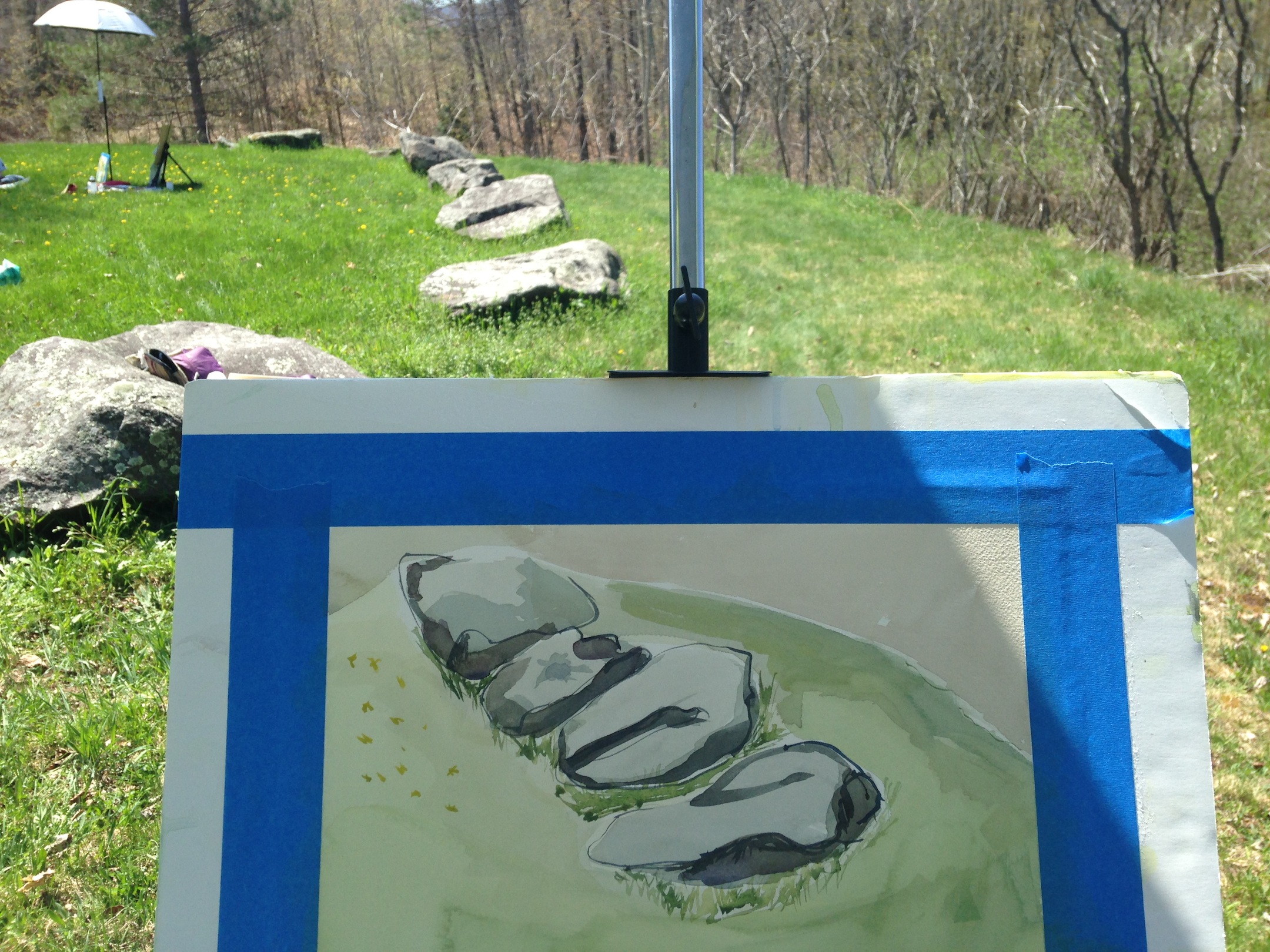
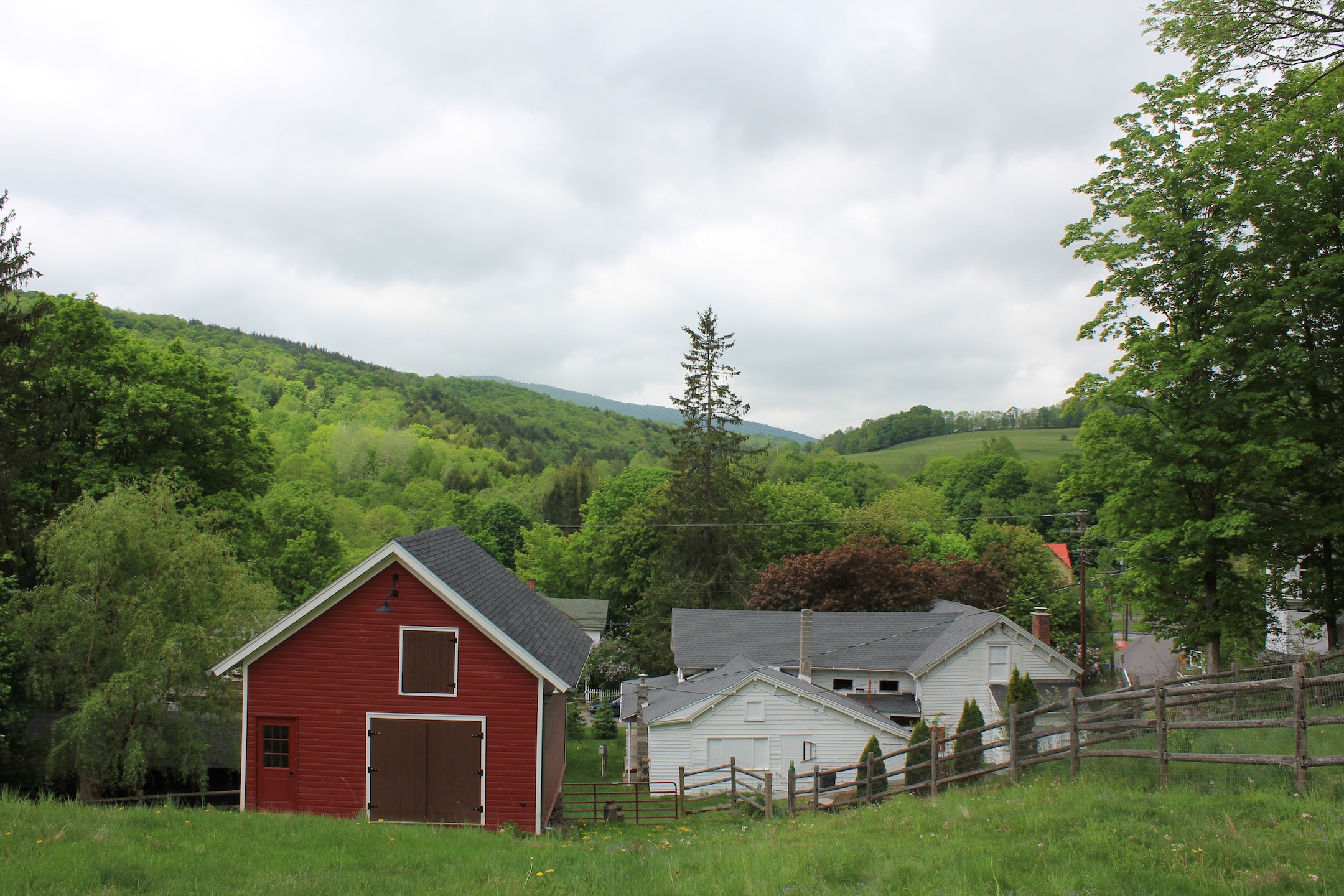
The summer comes alive for artists when the En Plein Air group reconvenes for the season. Gracious homeowners kindly let our group gather every week in some of the most picturesque spots across the mountains and it’s difficult not to be stunned by the extraordinary beauty of the countryside. This year, May 7th was the group’s earliest meeting on record because of the extraordinary high temperatures for the day, but the landscape was still bare and it seemed like we were able to watch the leaves pop before our eyes. The sun had become so strong by noon on May 7th, however, that whomever didn’t have an umbrella had to move to the shade. Taking part of the day out to paint really clears the mind. To focus closely and solely on the landscape for a few hours is much-needed therapy after the long, arduous winter. All worries dissipate into the air with the drying watercolour and if the homeowner is home, we make a new friend. Today, we had a gorgeous view of the mountains.
© J.N. Urbanski Noon 5/19/15
60F and rain at 8am. Gloomy, misty, wet and relieved that the landscape is getting a thorough, much-appreciated drenching. Update: 70F, dry and sunny despite the cotton wool clouds by 2pm.
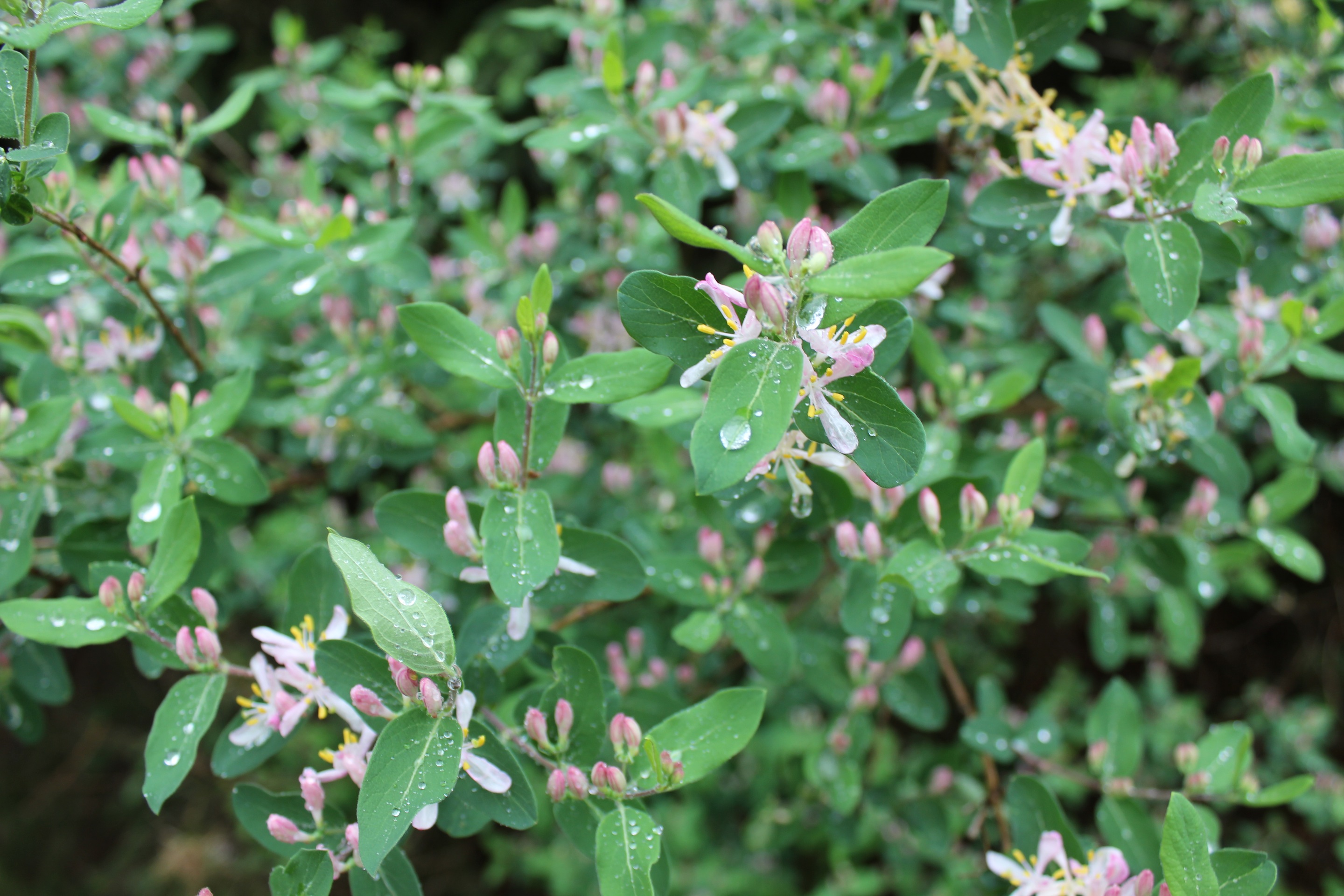
© J.N. Urbanski 8.30am

© J.N. Urbanski 1.15pm
64F at 8am with hazy sunshine, rising to 82F by noon with clouds moving in. Update: gradually receding warmth followed by late night showers.
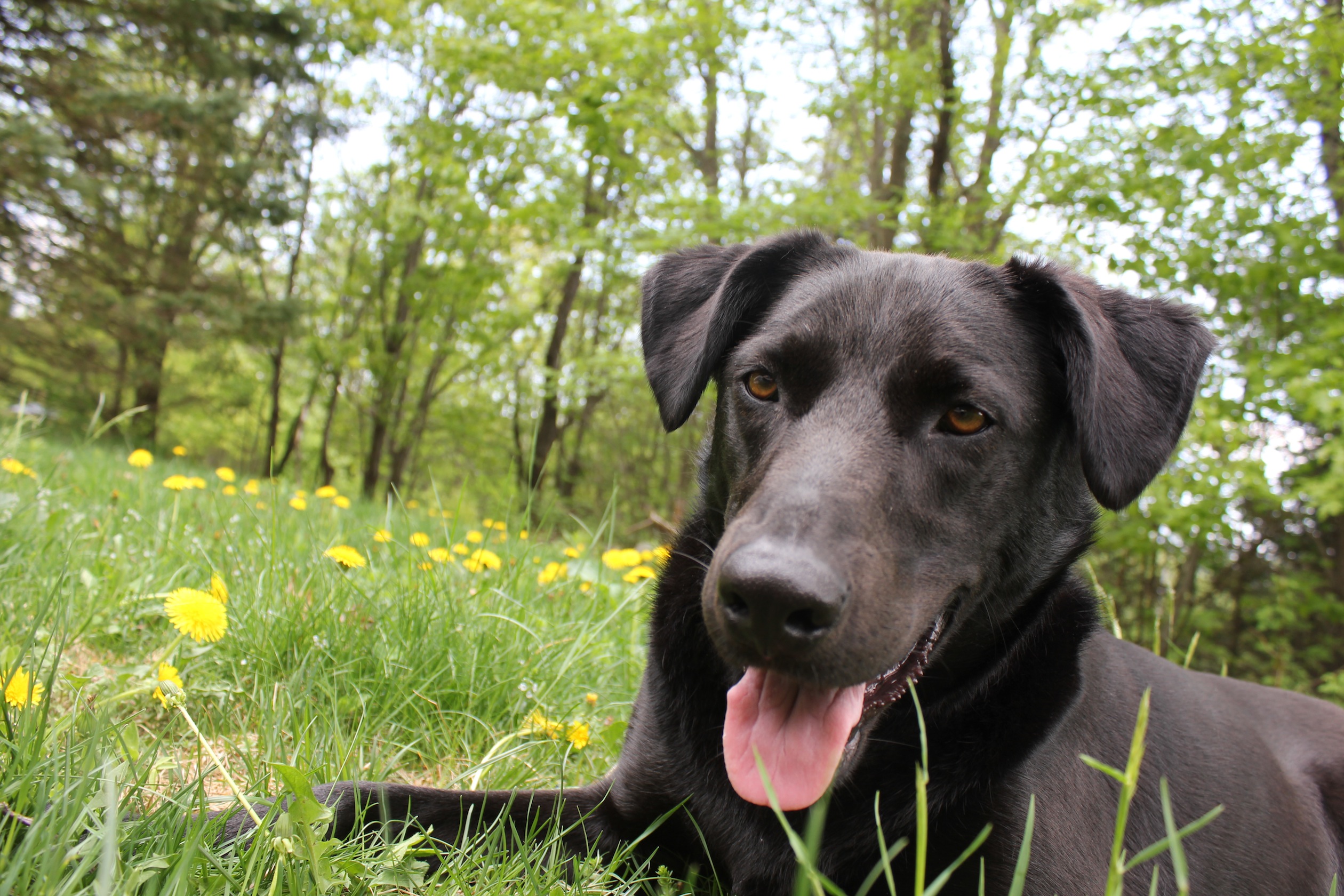
© J.N. Urbanski Noon
75F at 10.30, overcast but still rather bright, light winds and damp from overnight showers. 80F, scudding cotton wool clouds and hot in the sunshine by 1pm.
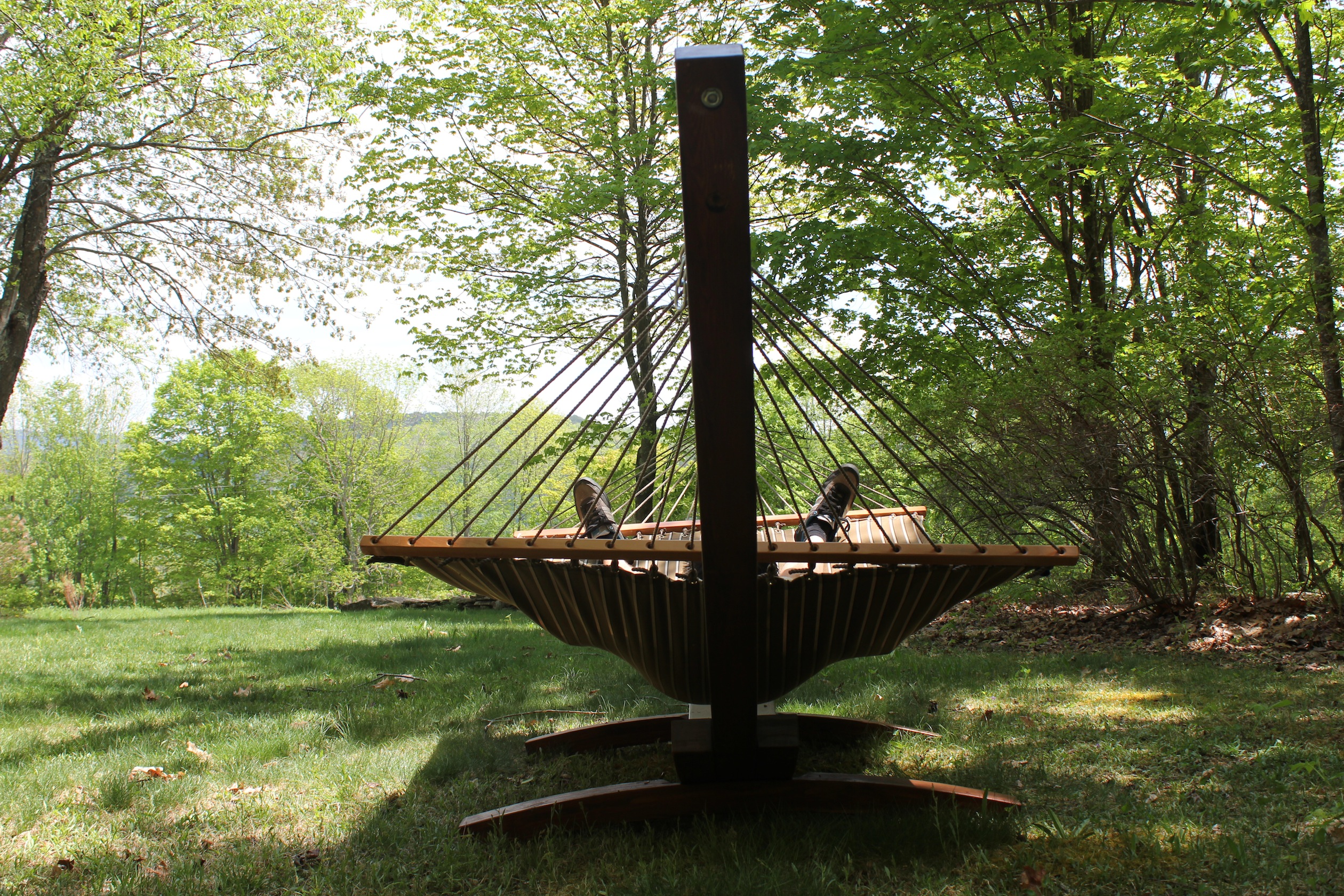
© J.N. Urbanski 1pm
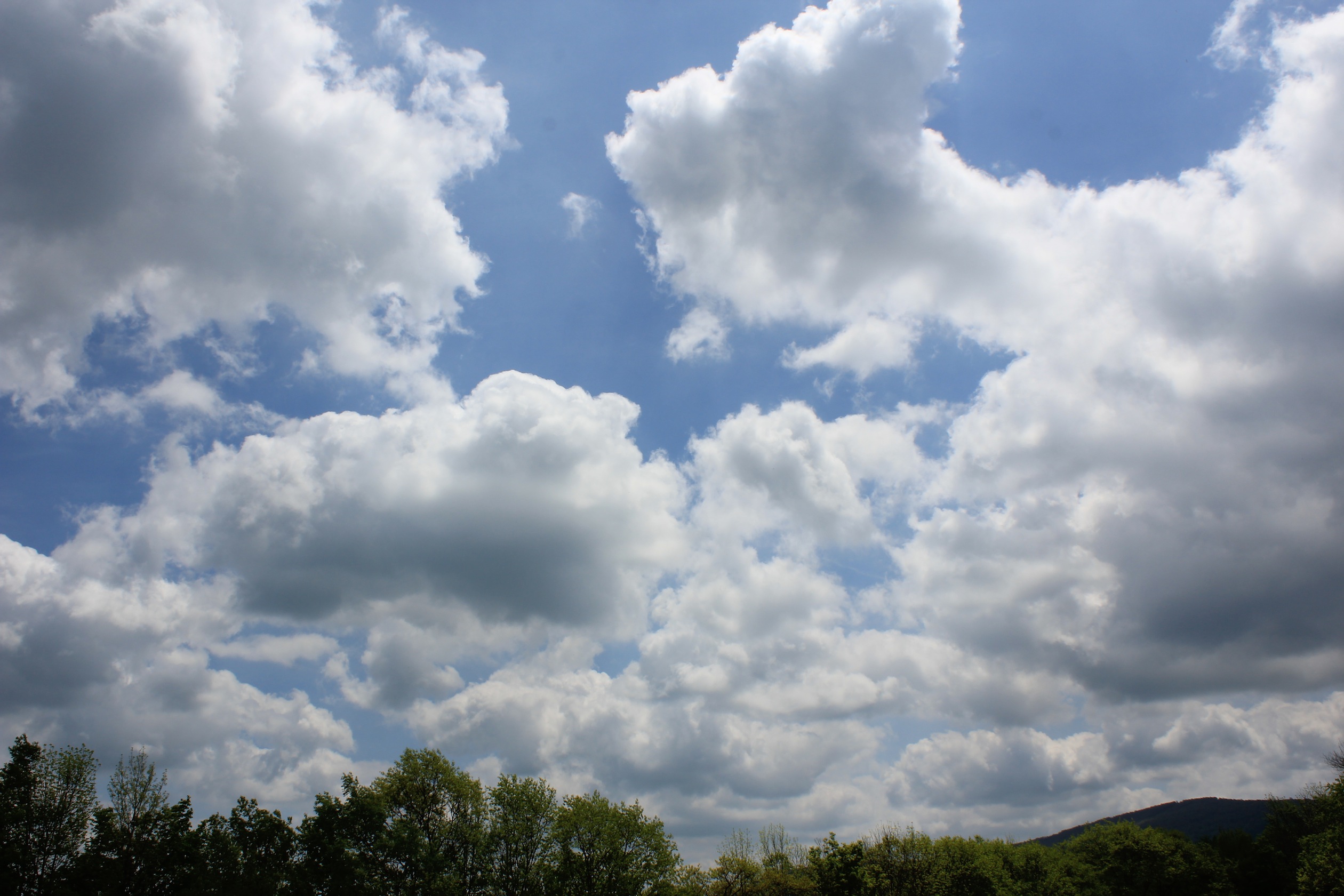
© J.N. Urbanski 1pm
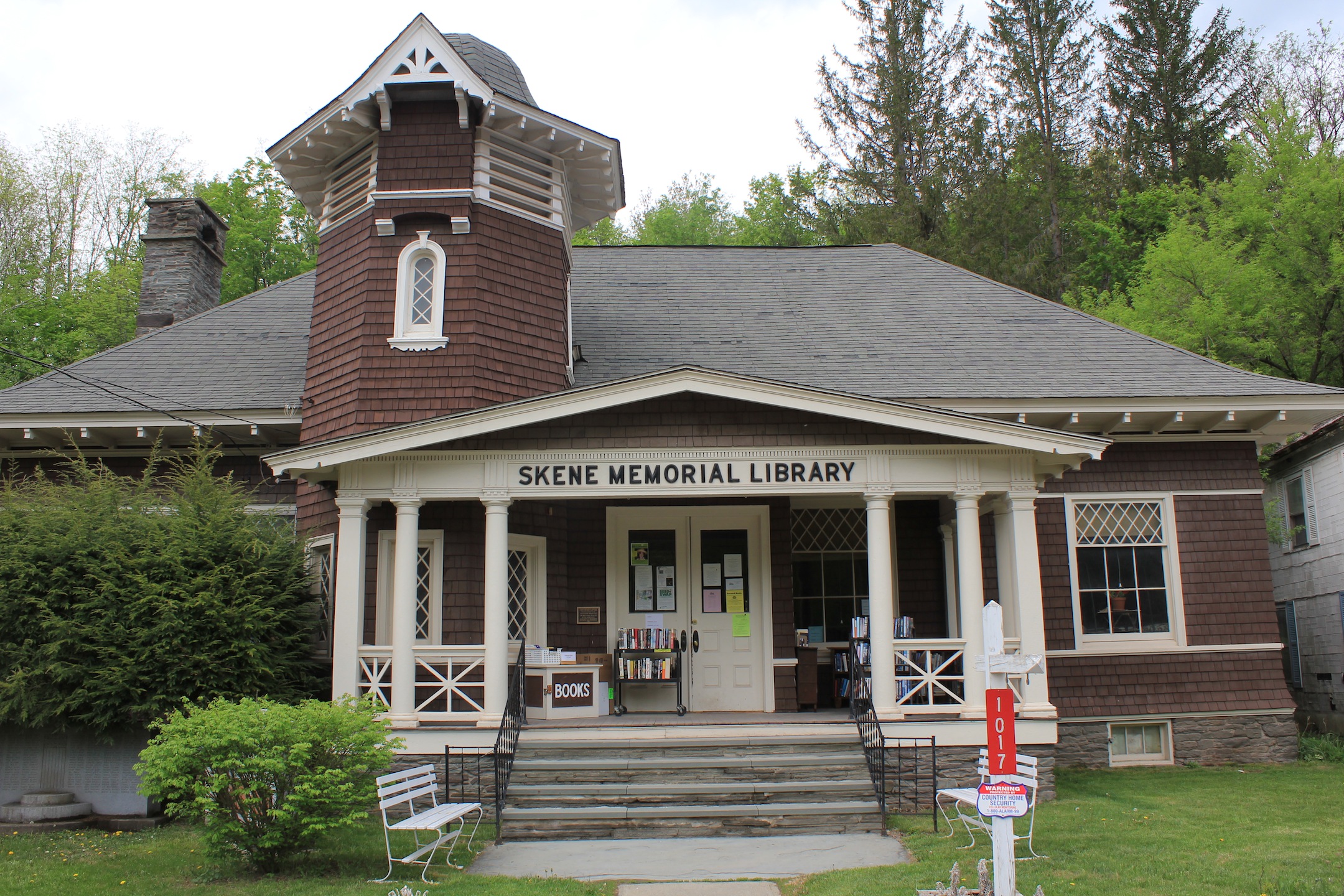
Seed Swap at local libraries from April 1st to June 1st in Delaware County, publicised by Transition Catskills.
If you didn’t have time nor space to nurture seedlings this past harsh winter, the Catskill Native Nursery will have it for you. They are hosting the Annual Seedling Sale at the Wildflower Festival this weekend.
For next weekend: get recycled furniture and doors for your new country digs at the Western Catskills Revitalization Council which “provides homeowners and builders with unique, affordable materials for home improvement projects”. The nonprofit organization is “dedicated to improving housing, community revitalization, and economic development in Delaware, Greene and Schoharie counties”. Open to the public on Fridays (10-4pm) and Saturdays (10-3pm).
Much needed overnight rain ushered in a damp, overcast morning. 68F at 11am and humid with mist over the mountains. Update: 76F, overcast and humid at 4.30pm. Steady rain at 6.30pm dwindled to light showers by 8pm.
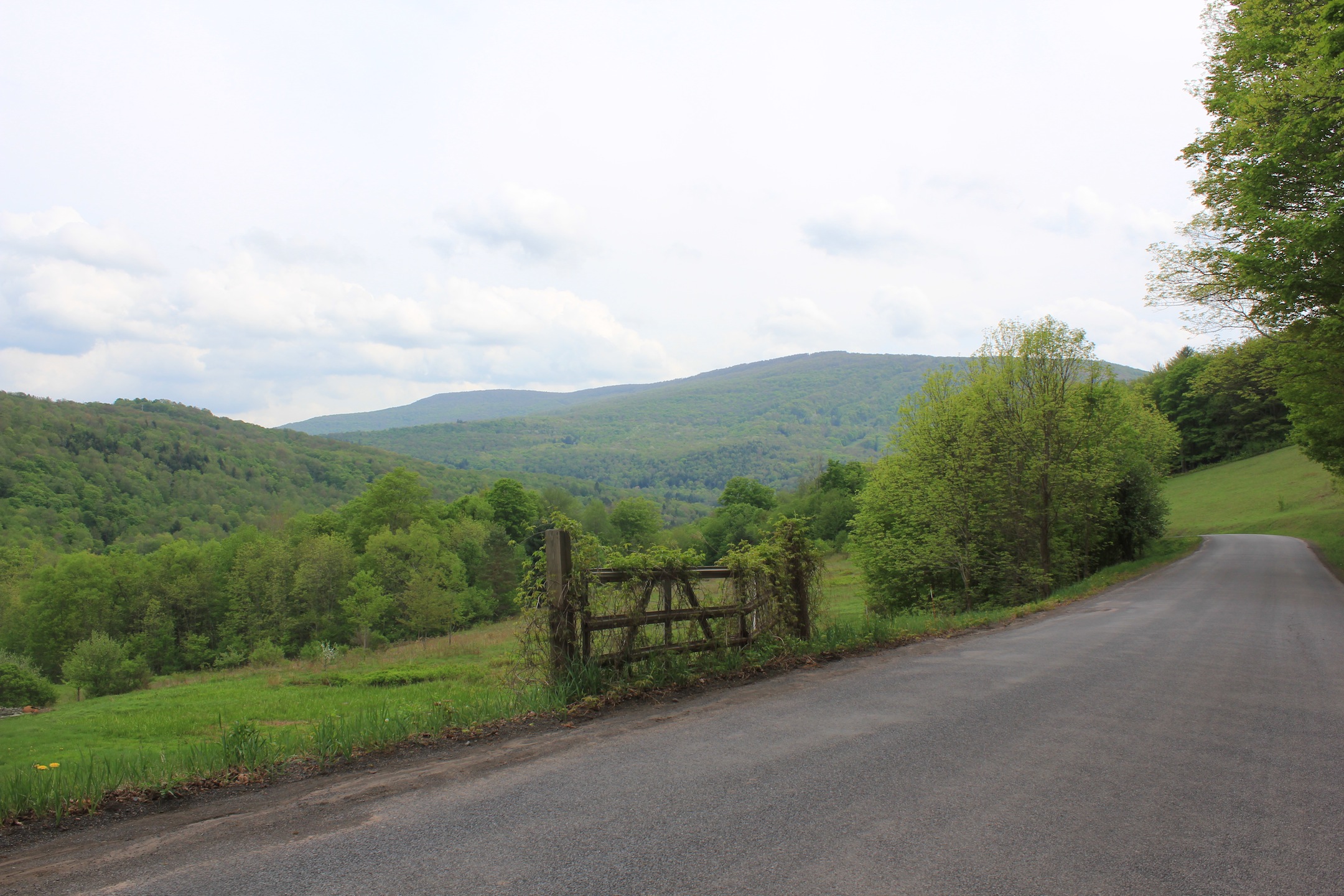
© J.N. Urbanski 3.45pm
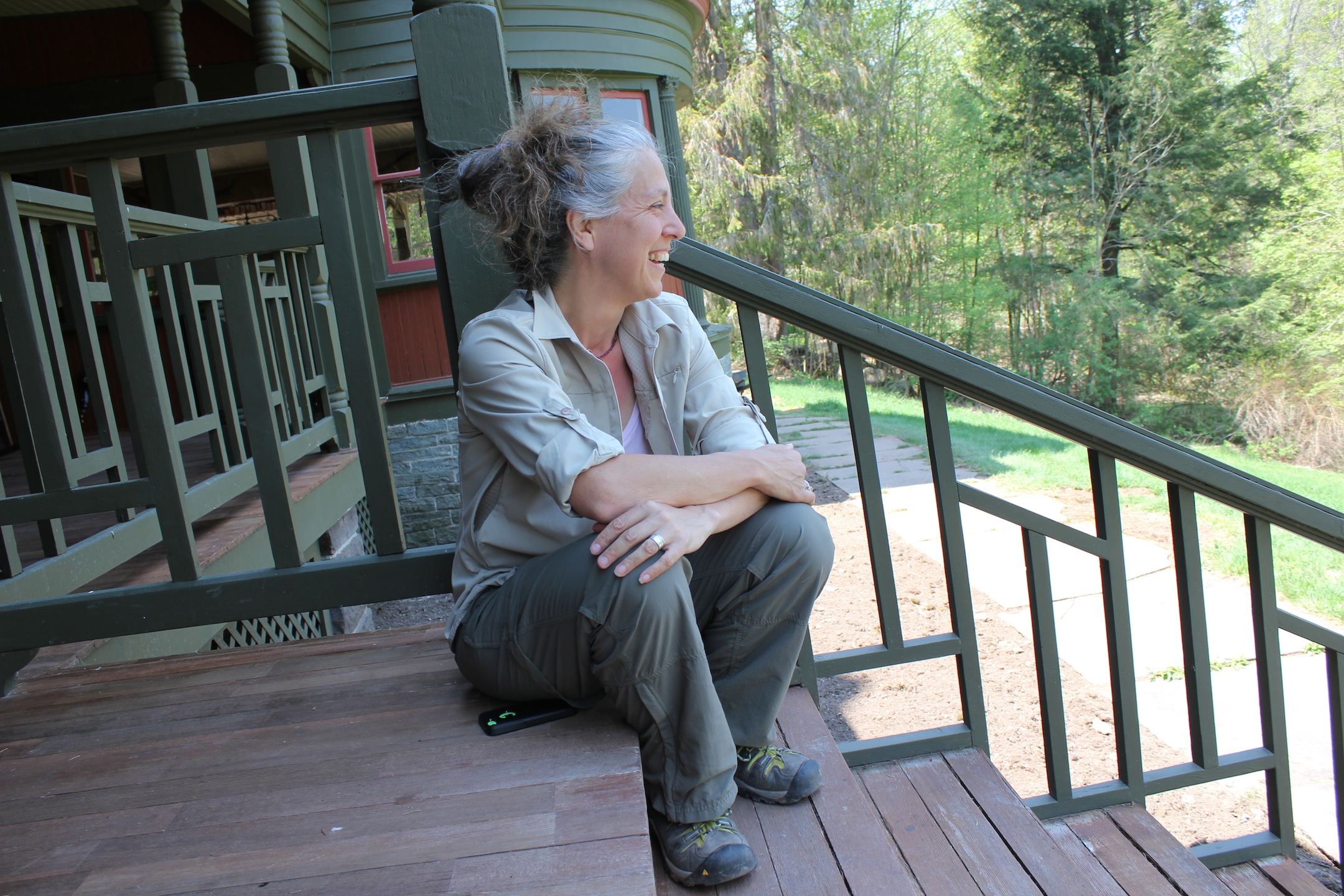
© J.N. Urbanski
Jenny: How long have you lived in the Catskills?
Heather: I moved to the Catskills in 2007, so I’ve been here going on eight years.
Where did were you living before?
I was living in Dutchess County in Dover Plains and I had been there 17 years. I grew up in Nyack. I’ve actually never lived anywhere more urban than Nyack. It’s been a slow and steady march northward.
What started that slow march?
When I was in High School. I had a buddy who – and this is a crazy story – we both turned sixteen, got our driver’s licenses. She quit high school and moved all by herself as a sixteen year old to Woodstock.
A crisp 58F at 9am, overcast rising to 76F and sunny by noon. The blossoms seem to have survived the frost intact, but half the tomatoes have died.
36F at 6.30am, rising to 61F at 1pm with sunny skies. Too early to say if this morning’s frost ruined the blossoms. Burn ban extended to May 21st.
Green shoots are emerging from the raspberry sticks; the beetroot is flourishing; the cauliflower is shooting; the asparagus is prolific, as is the rhubarb; the hops are hopping, but the spuds and blackberries have yet to emerge. The dog is already too hot and has dug a mud hole under some equipment. His home for the summer.
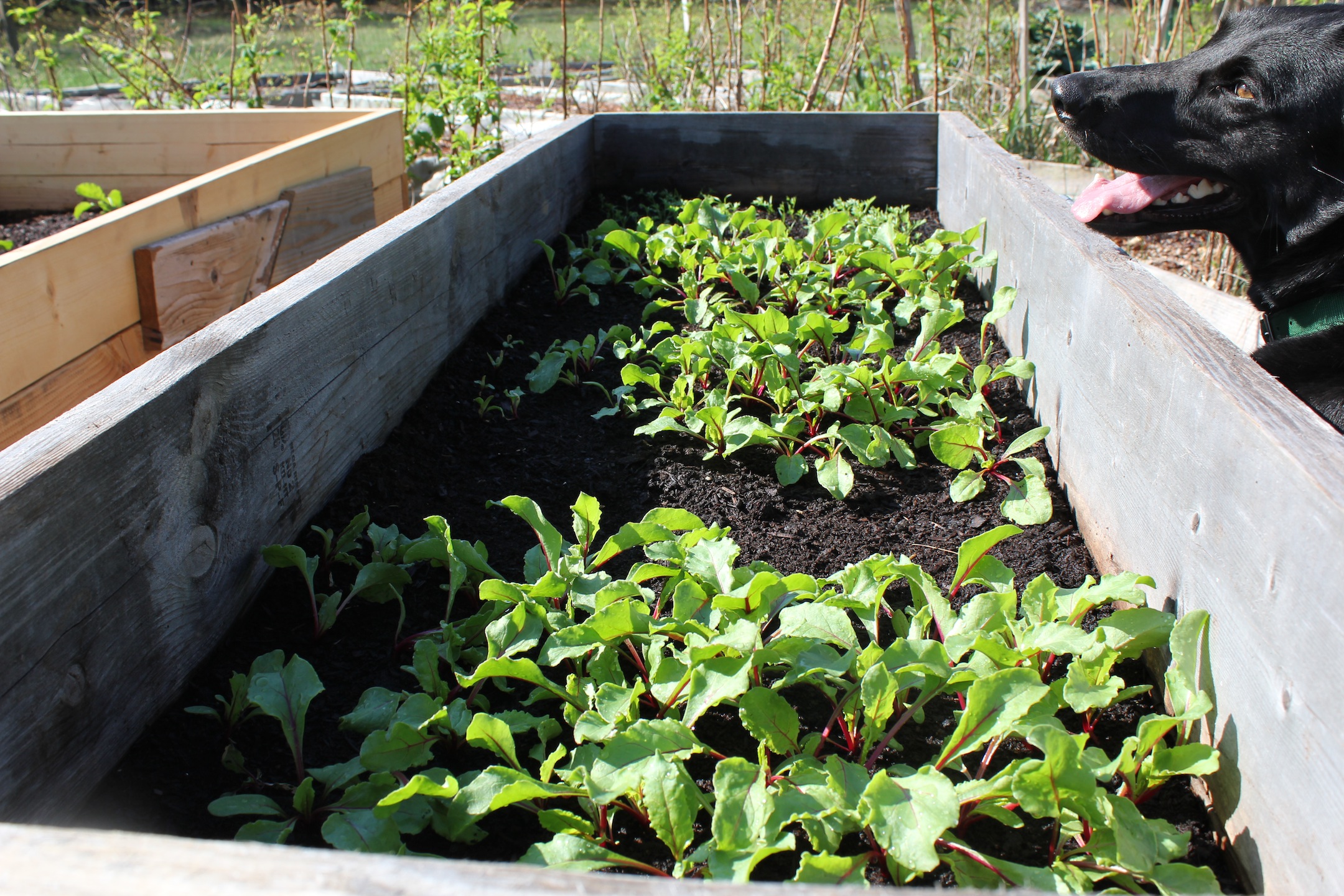
© J.N. Urbanski 5/11/15
54F and cloudy at 10.30am. Update: Frost forecast for the evening, threatening blossoms and seedlings. Lows of 30F are predicted for the early hours of tomorrow morning (4am to 6am).
64F at 8.30am, with a mix of sun and cloud. Much-needed rain expected this afternoon. The landscape is thirsty. Update: Rain! Late afternoon.
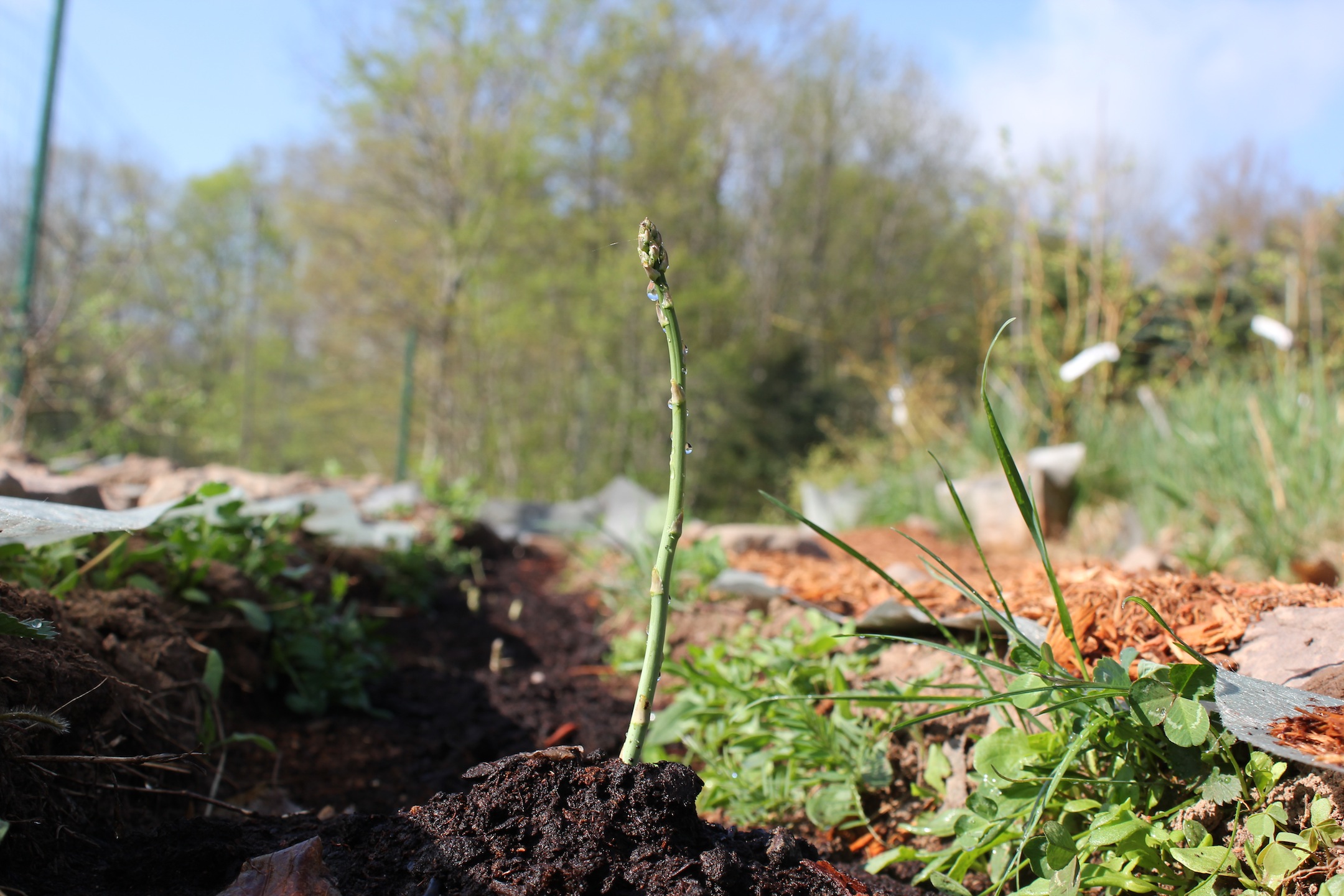
On May 1st, we planted a long bed of twenty new asparagus and in less than ten days we already had a six-inch tall shoot from one of the mounds (bottom middle of the picture). All the other roots planted have shoots of about an inch. The image of the “tall poppy” below was taken yesterday morning.
© J.N. Urbanski 5/11/15
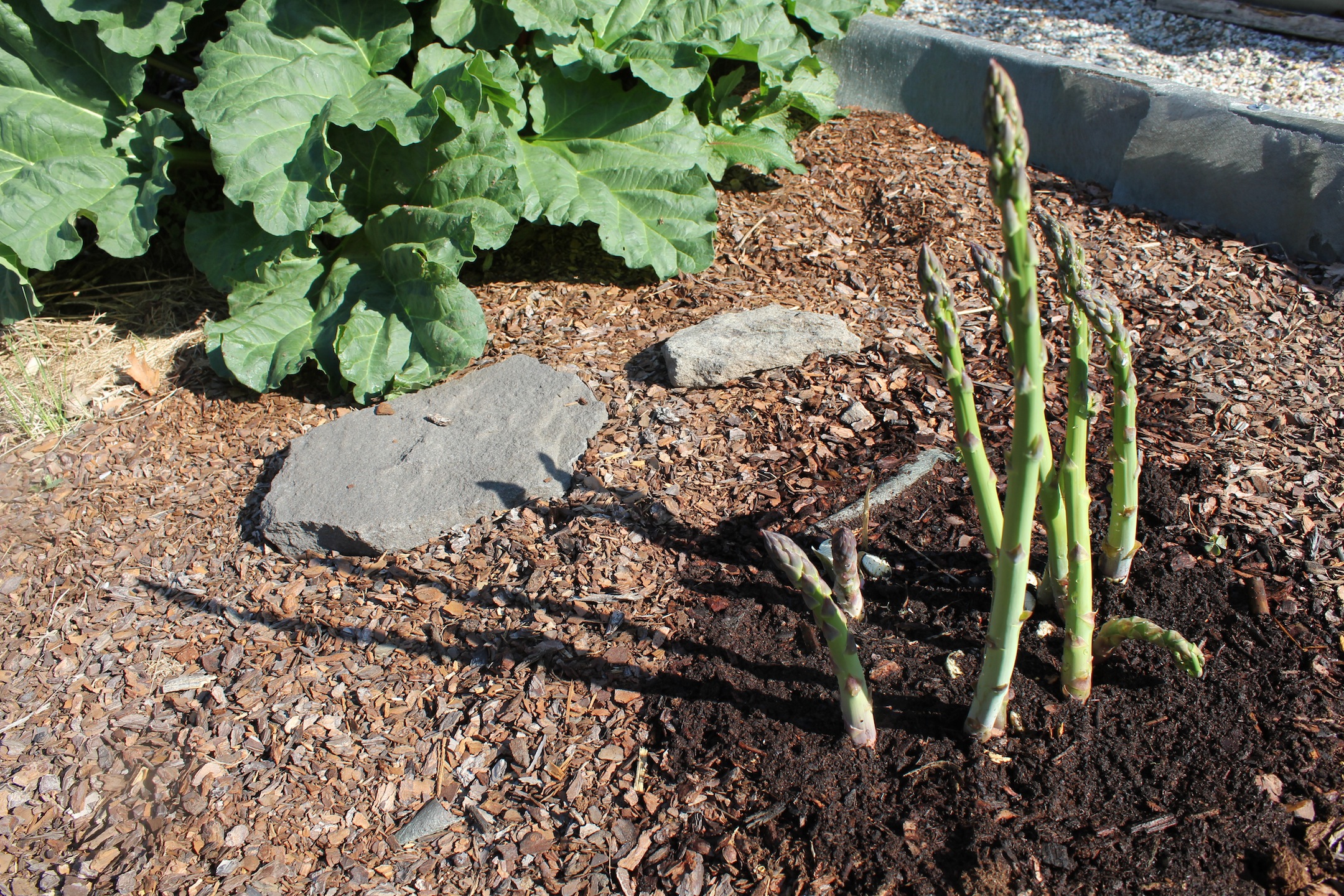
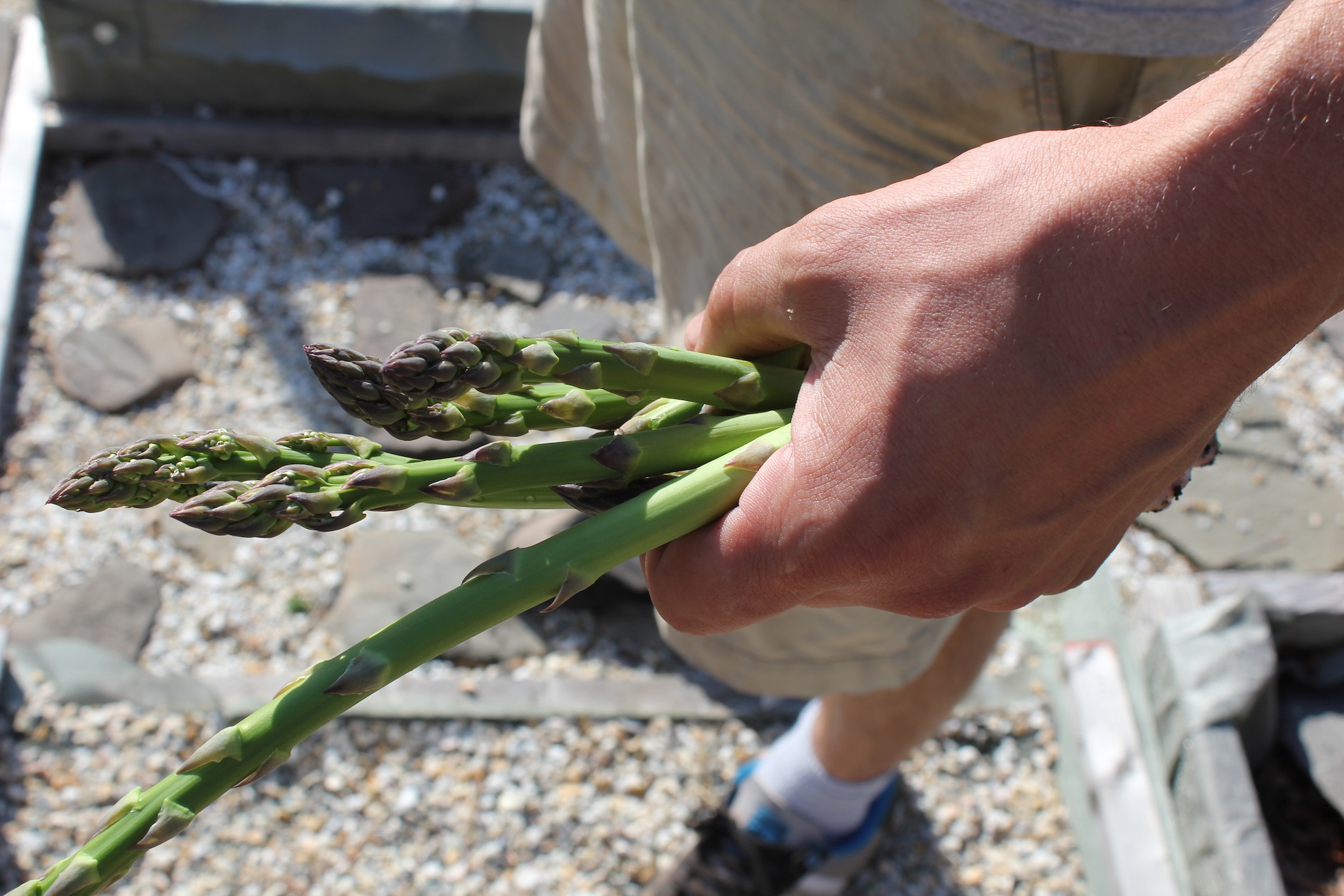
76F at 8am. Warm and sunny with no breeze. Asparagus acting like a sundial will be later eaten for breakfast. Update: they were juicy. The crab apple tree in full bloom.
© J.N. Urbanski 8.30am
© J.N. Urbanski 9am

© J.N. Urbanski 9.30am

© J.N. Urbanski
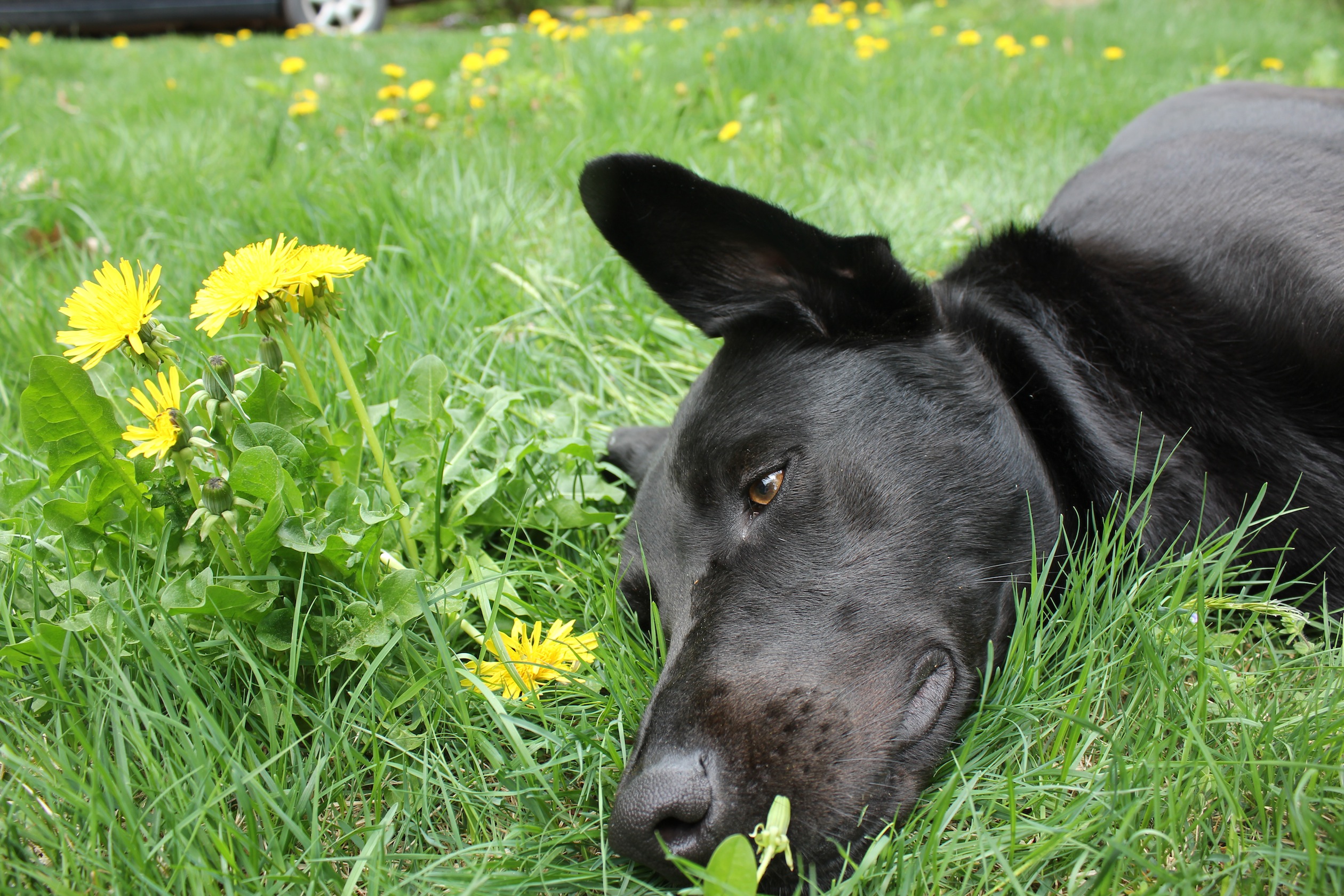
Many foragers, hikers, herbalists and conservationists consider it a travesty that instead of pulling and eating their edible weeds people throw chemical weed killer on them. It’s bad for the water table and our health. Dandelions that are so prevalent in our gardens now are fully edible raw and full of vitamin A. One cup of chopped dandelion is said to have 111% of your daily vitamin A intake, for example.
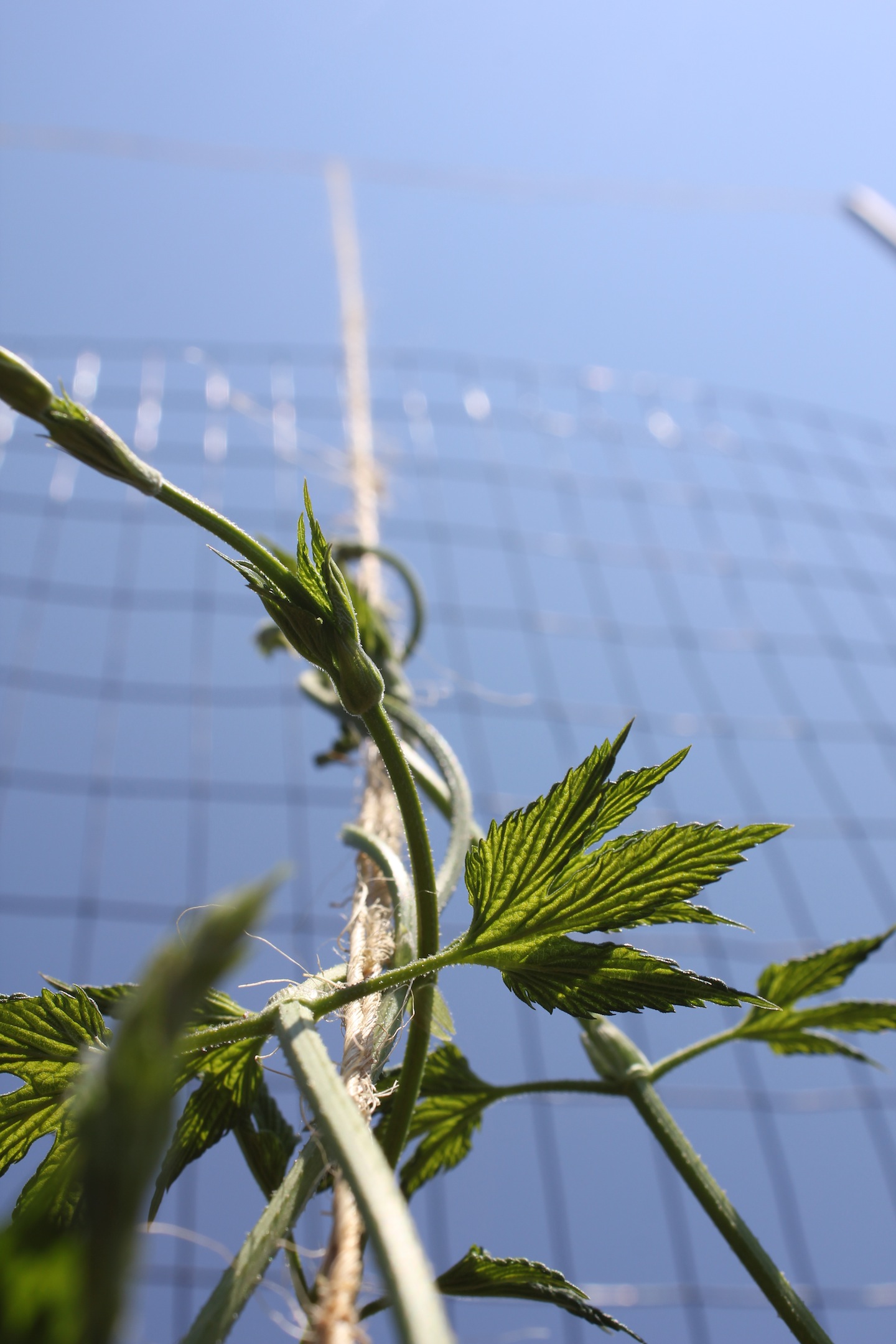
90F by noon, clear skies dissolving into a haze on the horizon. The hops wind slowly around the twine in the blazing sun.
© J.N. Urbanski 12.15pm
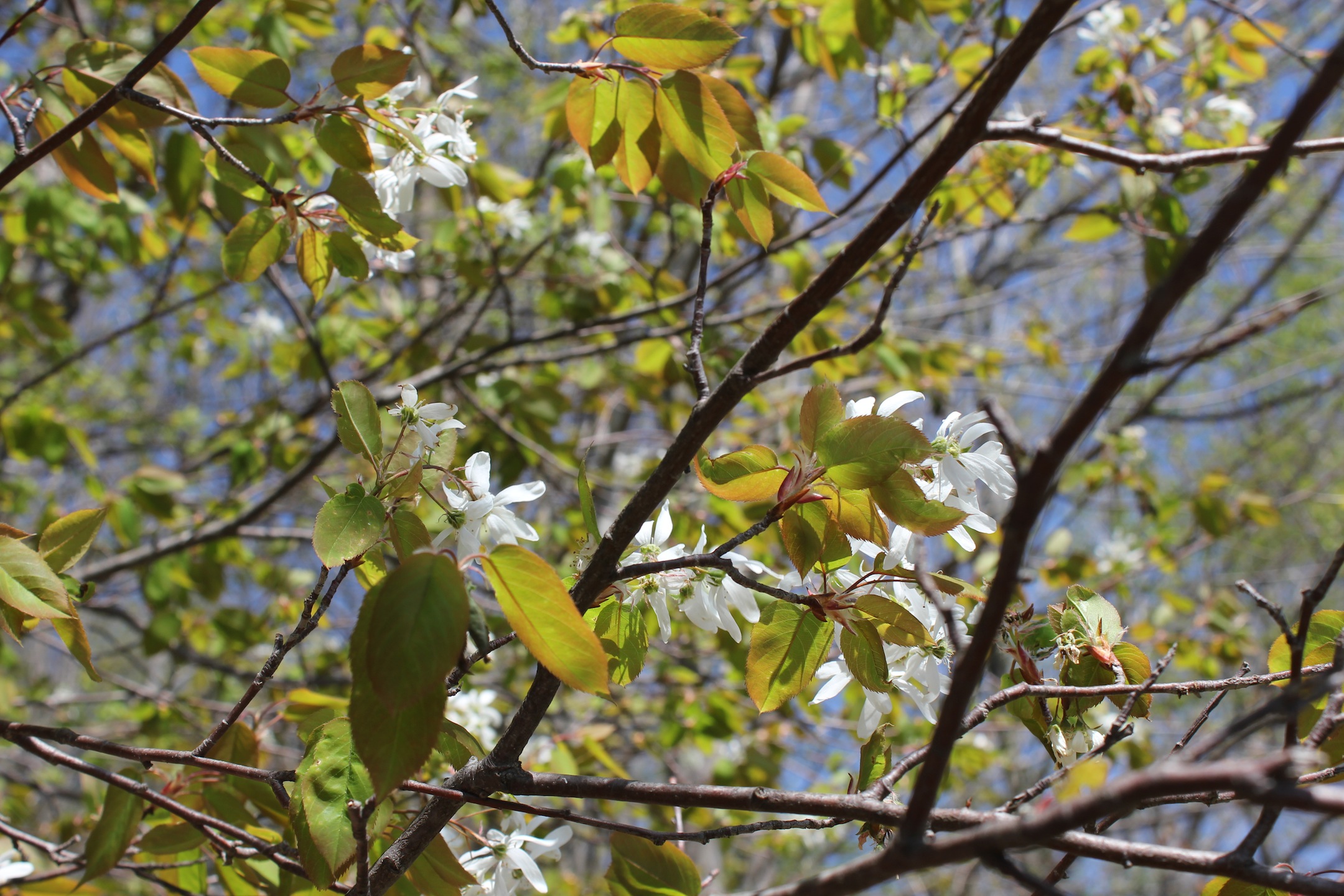
61F at 8am with hazy sunshine and light winds, rising to 75Fby the afternoon. The Juneberry blossoms.
© J.N. Urbanski 10.30am
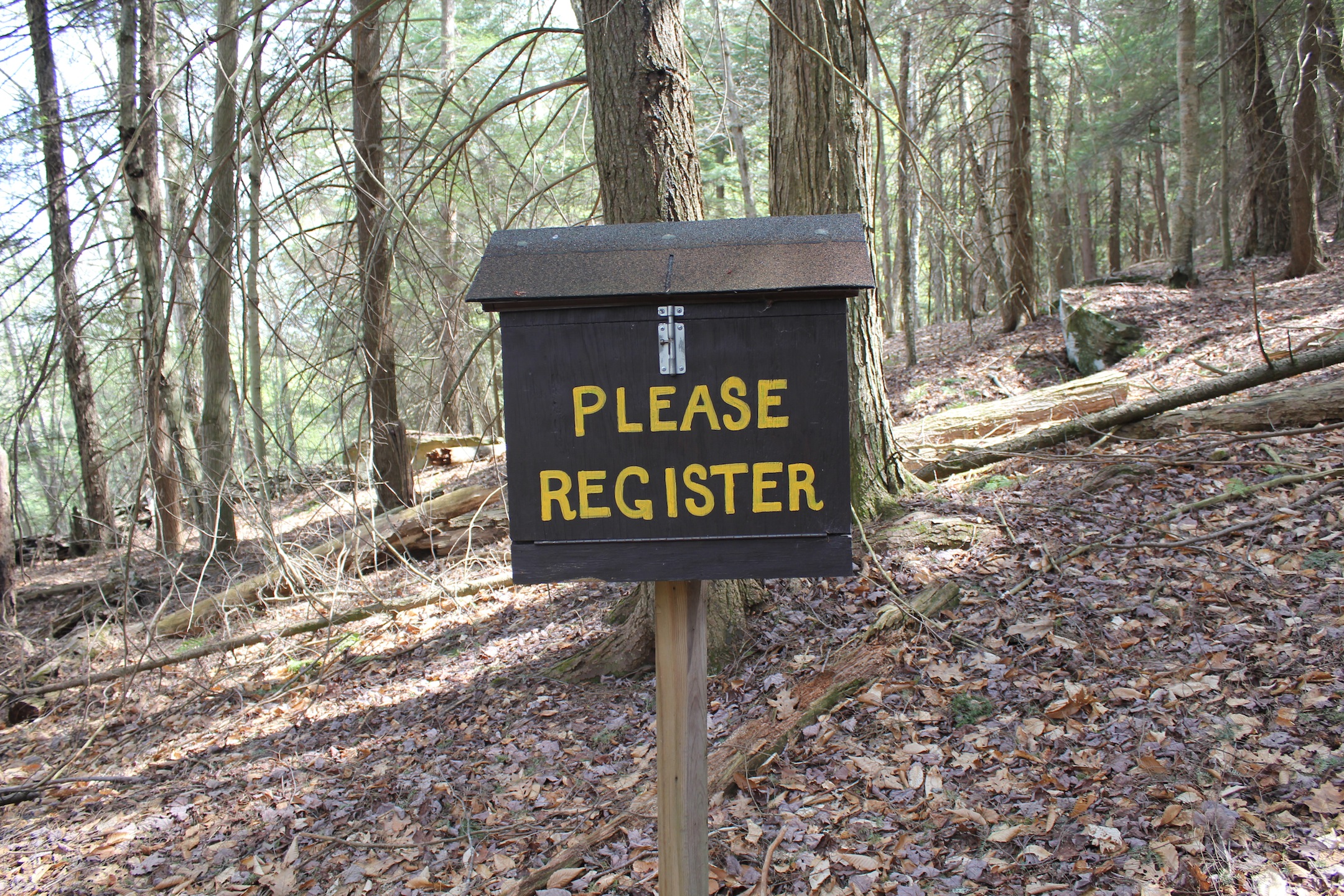
74F at 9am, clear and sunny, rising to 80F by mid-afternoon.
© J.N. Urbanski 2.30pm
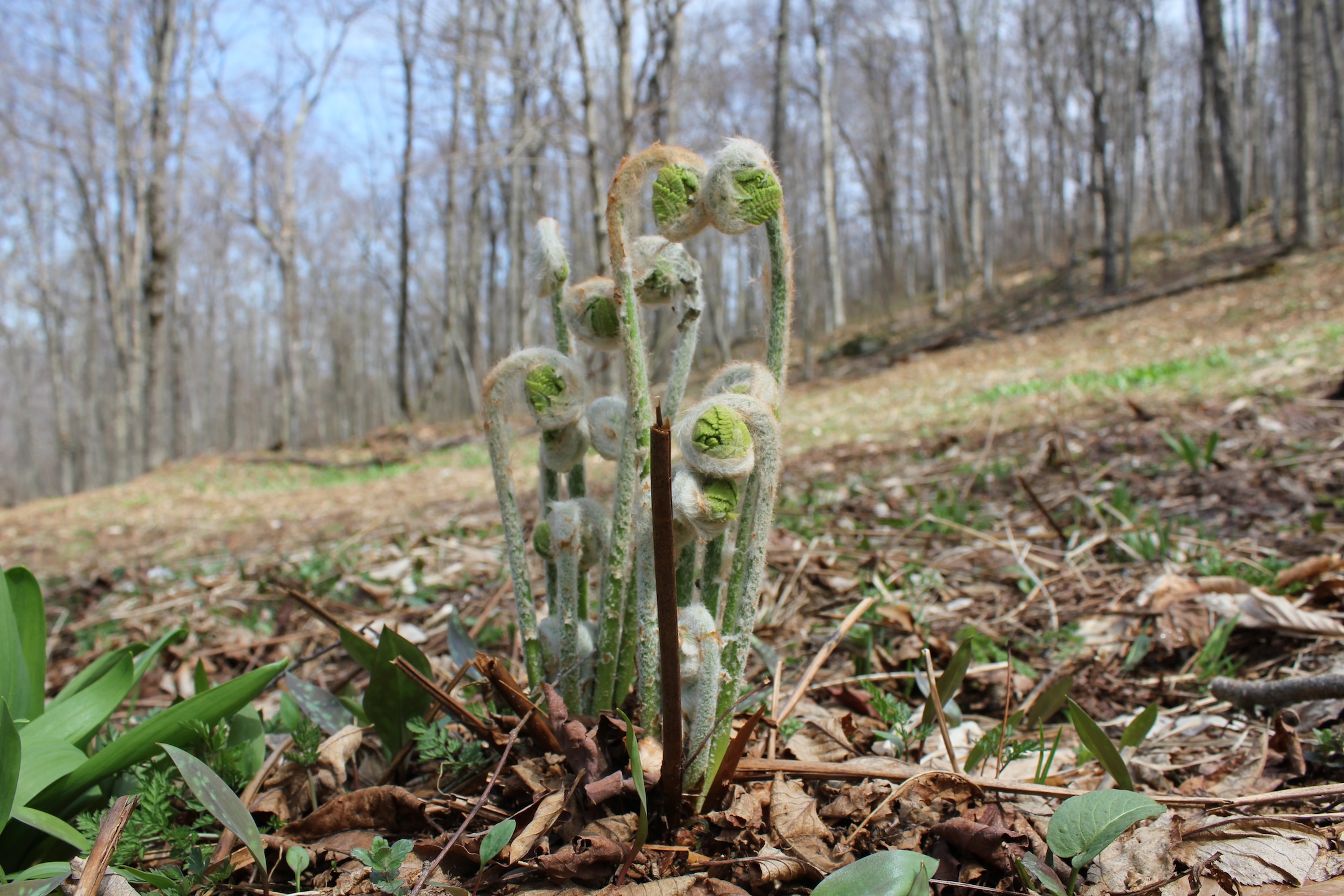
72F by 8.15am with hazy sunshine. Asparagus, ramps and fiddlehead ferns in season.

© J.N. Urbanski 8.45am

© J.N. Urbanski
Peter DiSclafani is proprietor and chef of the Catskill Rose Lodging and Dining in Mount Tremper, New York with his wife Rose Marie Dorn.
How long have you lived in the Catskills?
Rose and I moved here in 1987 after we got married. I was born and raised in Saugerties. I was out in Colorado in the seventies after high school just to check things out and that’s where I met Rose. She’s from Colorado.
60F at 8am with hazy cloud cover and a light breeze rising to 70F by mid-afternoon.

© J.N. Urbanski Noon
© J.N. Urbanski 2.30pm
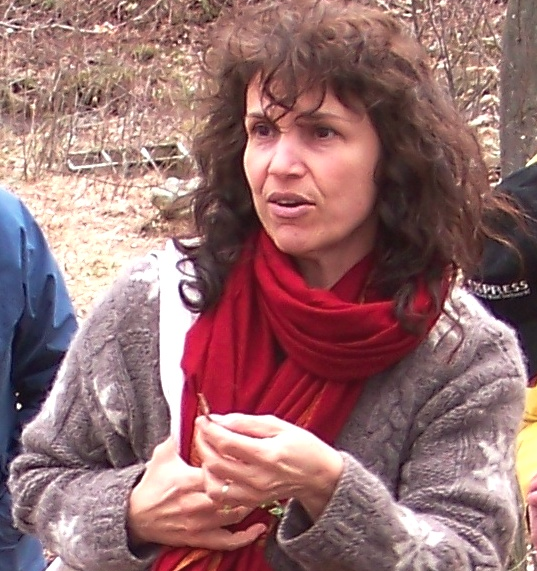
Image courtesy of Marguerite Uhlmann-Bower
Marguerite Uhlmann-Bower is a registered nurse, herbal educator and wild foods forager who conducts“weed walks” in which she teaches us how to forage for wild edibles.
How long have you lived in the Catskills?
Since 1980.
From NYC?
Manhattan and Brooklyn. I was born in Manhattan and spent part of my young life in Brooklyn. When I experienced the country when I was eleven, I knew that was where I was going when I got old enough.
59F at 7.30am with misty, hazy cloud cover and the landscape still damp with overnight rain. 78F by 2pm with the same hazy cloud. The magnolia has bloomed and is falling, but the wisteria waits.
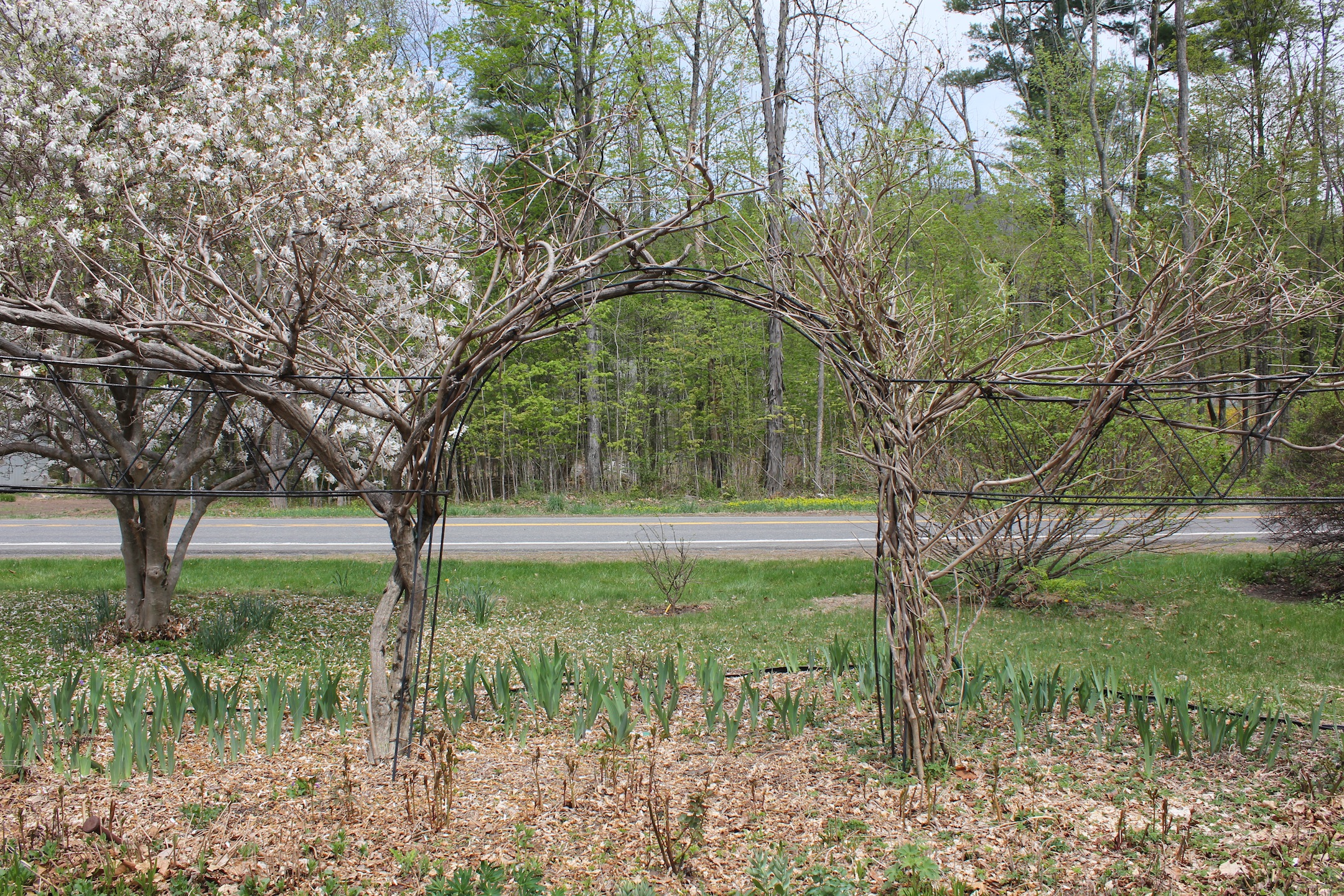
© J.N. Urbanski Noon
72F at 8am, rising to 81F (for the first time this year) by midday with mostly cloudless skies.
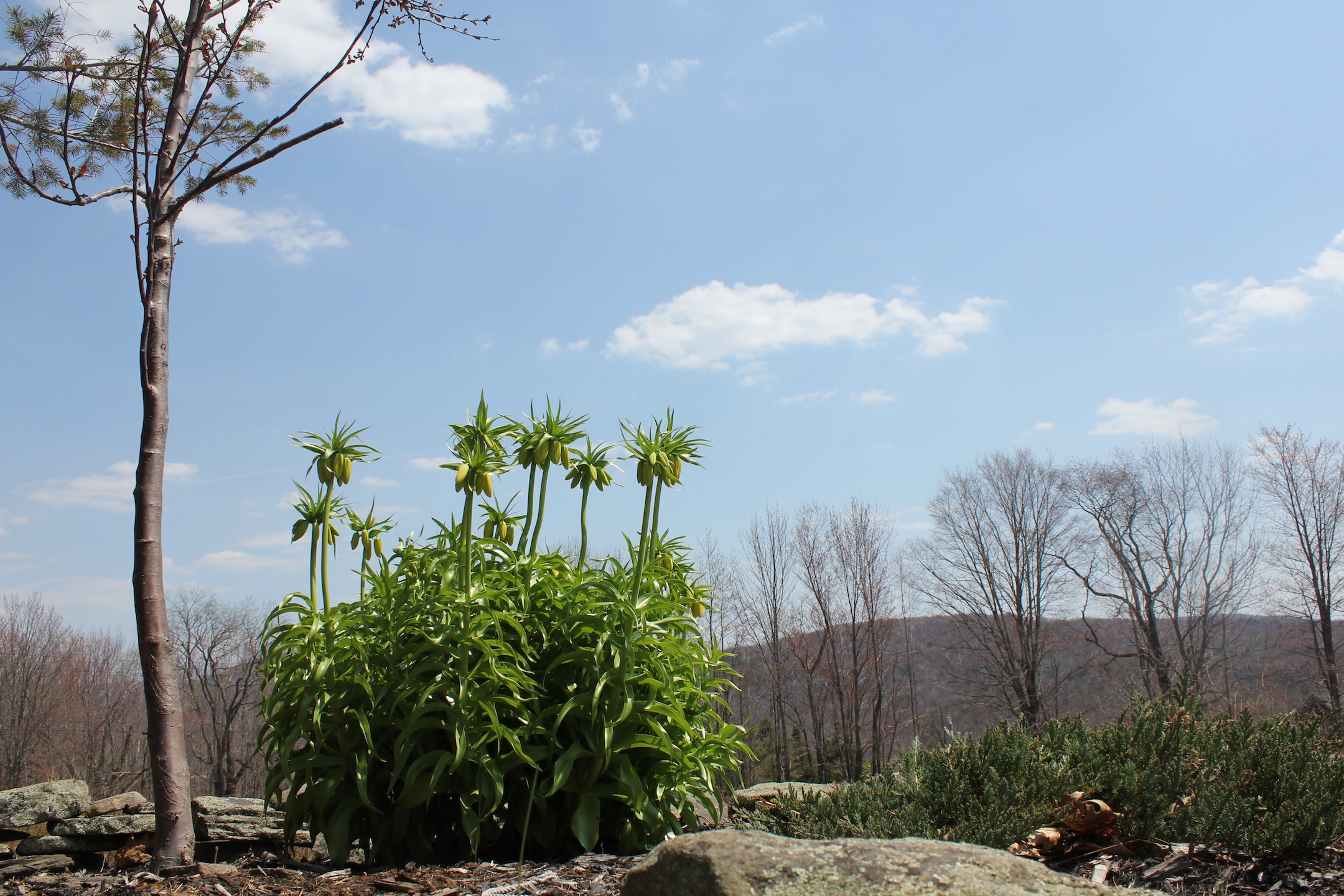
© J.N. Urbanski 12.30pm
72F at 10am and mostly sunny with multifarious cloud cover stealing in at noon and dampening the blazing sun.
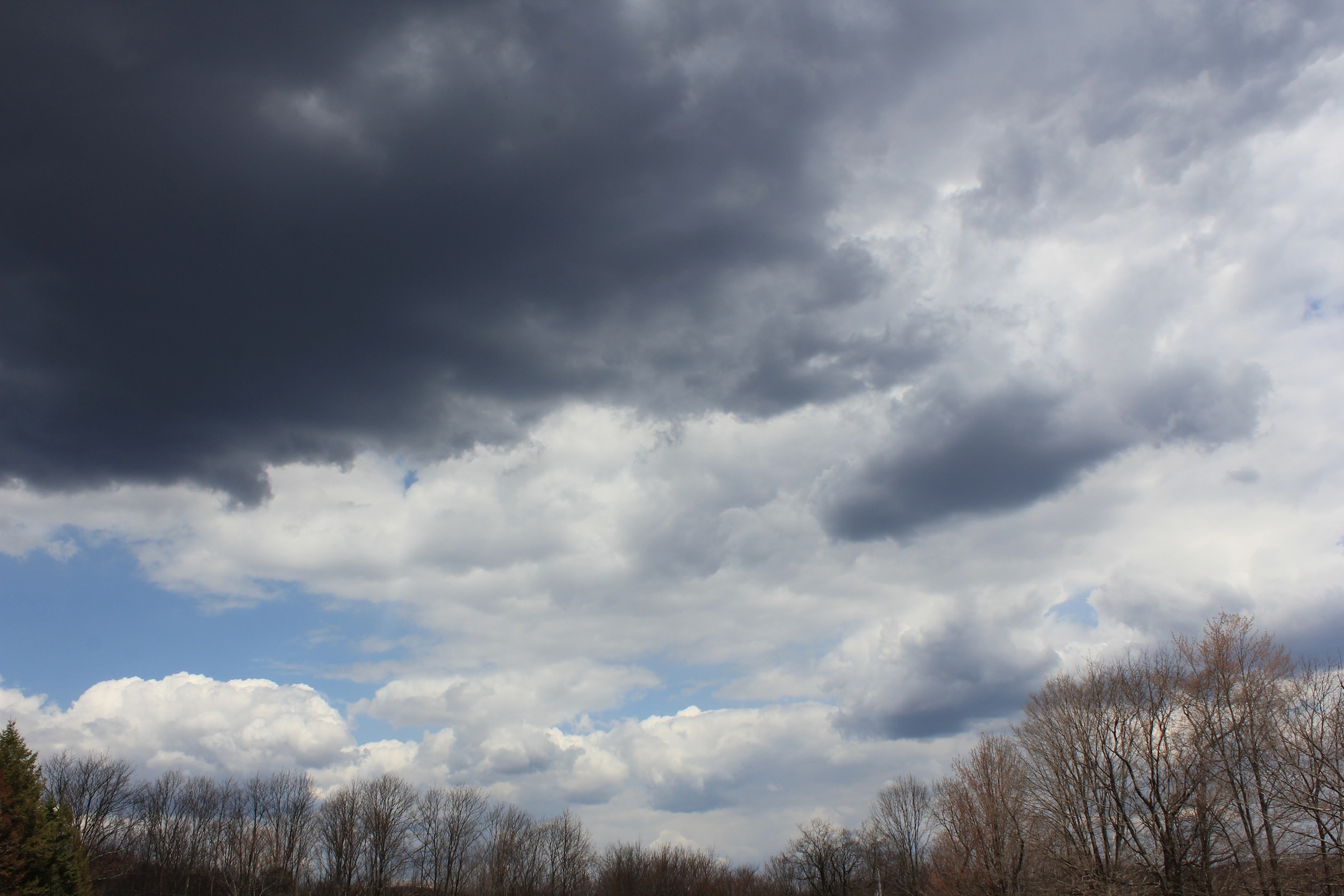
© J.N. Urbanski 1pm
64F at 11am with scudding, cotton wool cloud cover allowing hints of blue skies beyond and brief flashes of blazing sunshine. An intermittent warm breeze. Update: 70F by mid-afternoon.

© J.N. Urbanski 12.30pm An army of basking beet seedlings
© J.N. Urbanski
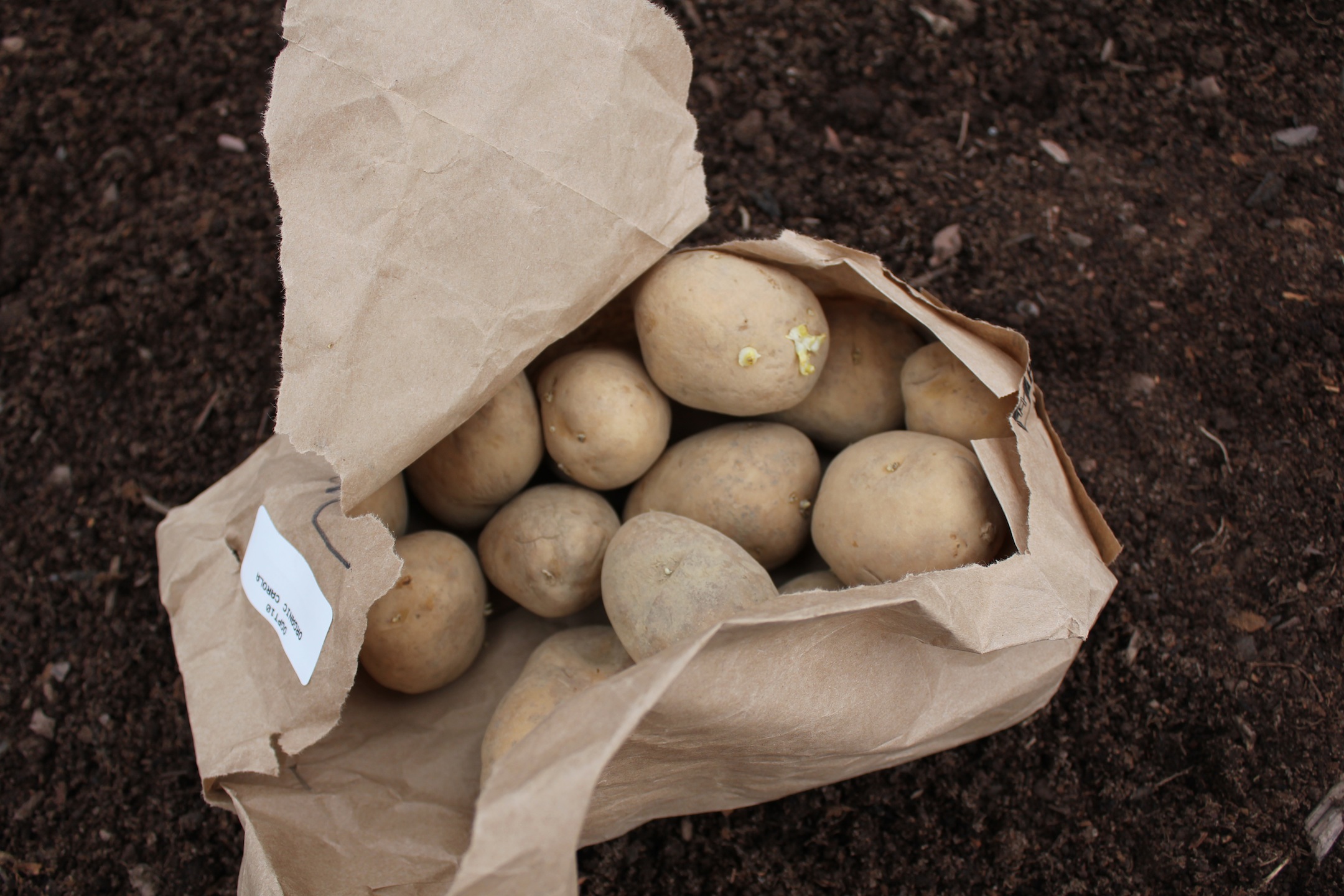
Back in England, I have a friend who has a spud bucket, a large metal rubbish bin filled with soil, into which she thrusts a needy hand and miraculously pulls out a spud or two for dinner. She keeps it in the backyard and, needless to say, does not need to buy spuds, ever. Potatoes need well-drained, loose soil, but lots of rain, so they are perfect for high elevations here in the Catskills. To have your own potato bucket simply:
1. Drill three or four holes in the bottom of a bucket, about half the size of a garbage pail;
2. Line the bottom of the bucket with a three-inch layer of rocks for drainage;
3. Add a six-inch layer of peat and compost on top of the rocks;
4. Throw in four seed potatoes;
5. Cover with a two-inch layer of peat/potting soil mix and pat down.
Asparagus is going in at Upstate Dispatch HQ. A perennial, it takes a few years to get started with a low initial yield, but it’s a low maintenance crop that’s ideal for the novice gardener. Not only is it delicious, highly nutritious and otherwise quite expensive, it freezes well so you can eat it year-round. Let the asparagus grow to long ferns in the first year and the whole plant can last 20 years. Today, two beds (6-12 inches deep and 6 inches wide) were dug and a 2-3 inch layer of wet compost and peat mixed together was added. 10 asparagus roots went in each bed, 18 inches to 2 feet apart from each other. Soak the asparagus roots for a half hour before you plant. Spread the roots out like a flattened spider, lay crown-up, and cover with a 2-3 inch layer of dirt. Don’t fill in the trench with dirt until the shoots make it through their individual dirt pile. Keep adding dirt as the shoots grow over the forthcoming weeks. The weeds you see growing in the middle of the trenches are last year’s over-wintered parsnips. They were pulled.
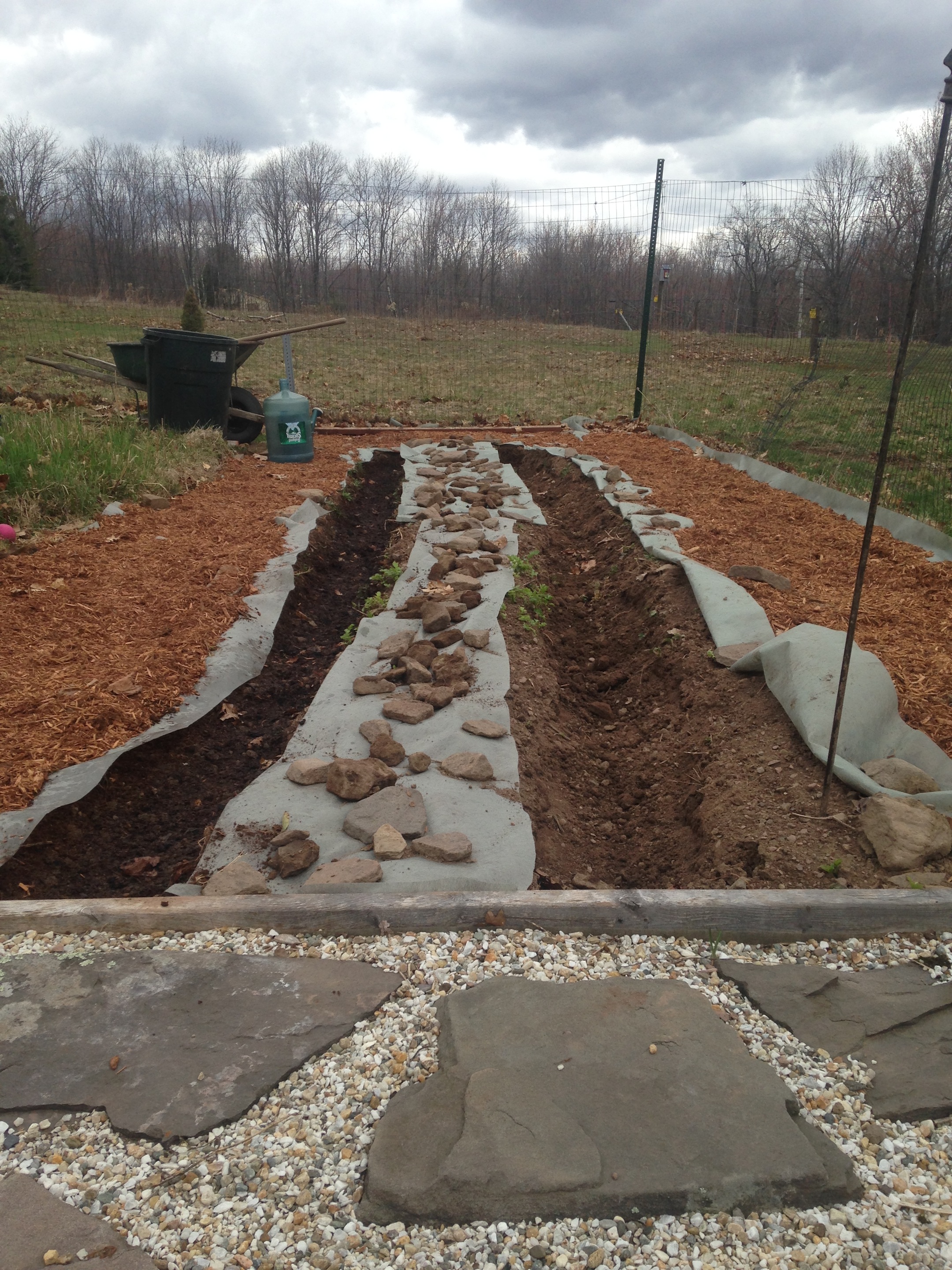
© J.N. Urbanski 05/01/15 11.30am
55F at 10am and overcast as the daffodils struggle to open. May 1st marks the Celtic celebration known as Beltane, a Spring festival, in which participants dance around a maypole, sit around fire circles and usher in the Summer with good spirits.
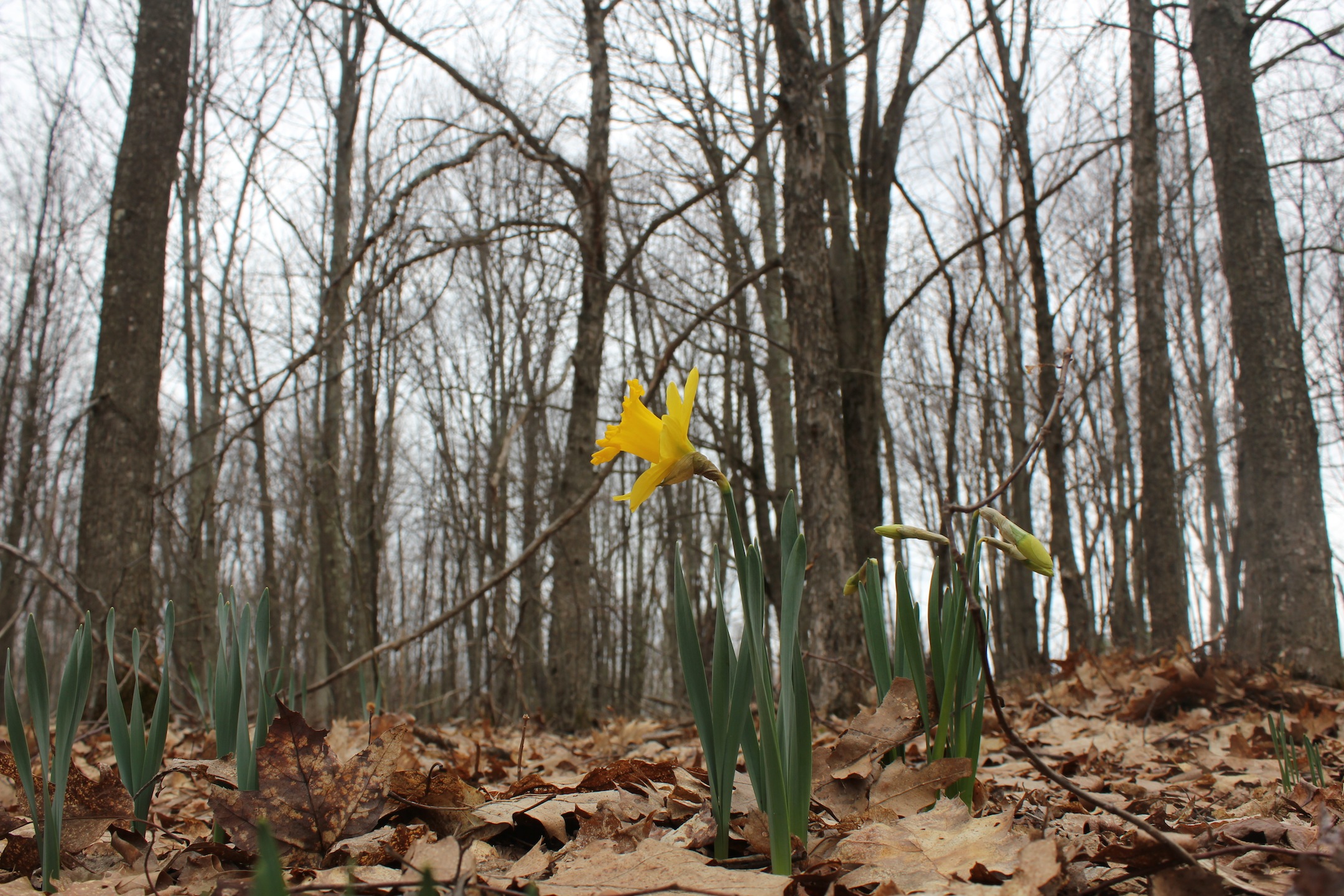
© J.N. Urbanski 10am
Lake Switzerland was built in 1907 for boating and ice harvesting by damming the Bushkill stream. It was later removed and thereafter Lake Switzerland drained considerably. The St Regis, which was originally on the banks of Lake Switzerland, now faces a valley, the original stream, and houses that have since been built on the stream banks. Trees have since grown back and the same view as the old postcard is not really possible from Breezy Hill Road (bottom).
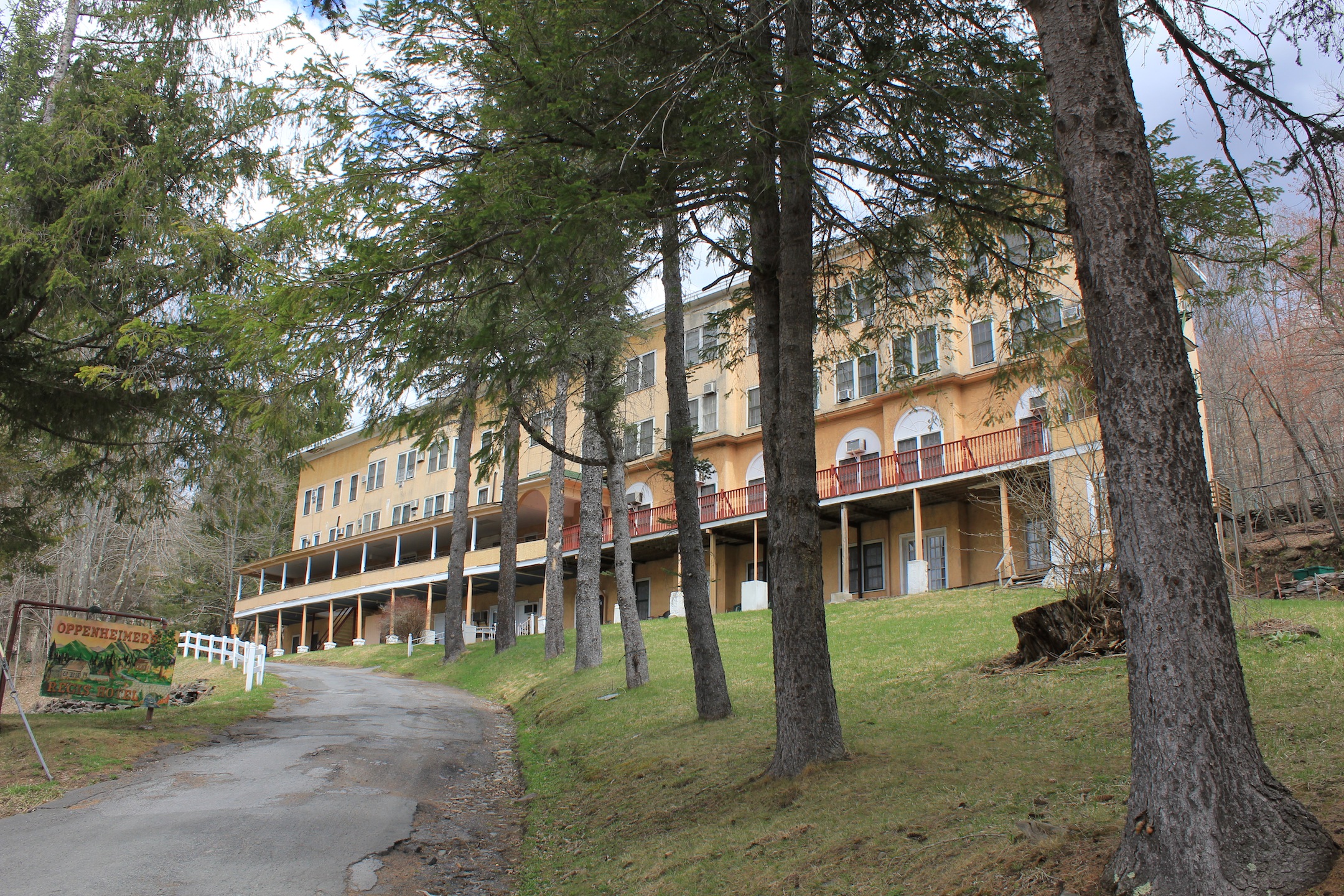
© J.N. Urbanski 4/30/15 2pm
Built in 1907, the dam that created Lake Switzerland was later thought to be structurally unsound and removed. Just to the right of today’s picture is the road and the spot on which the St Regis Hotel still stands. If you look at the postcard of the St Regis Hotel, it will give you an idea of the area covered by the lake. In the right of today’s picture are some white concrete barriers where the bridge used to be. The image at bottom of the post is the view of the St Regis today from other side of the bridge.
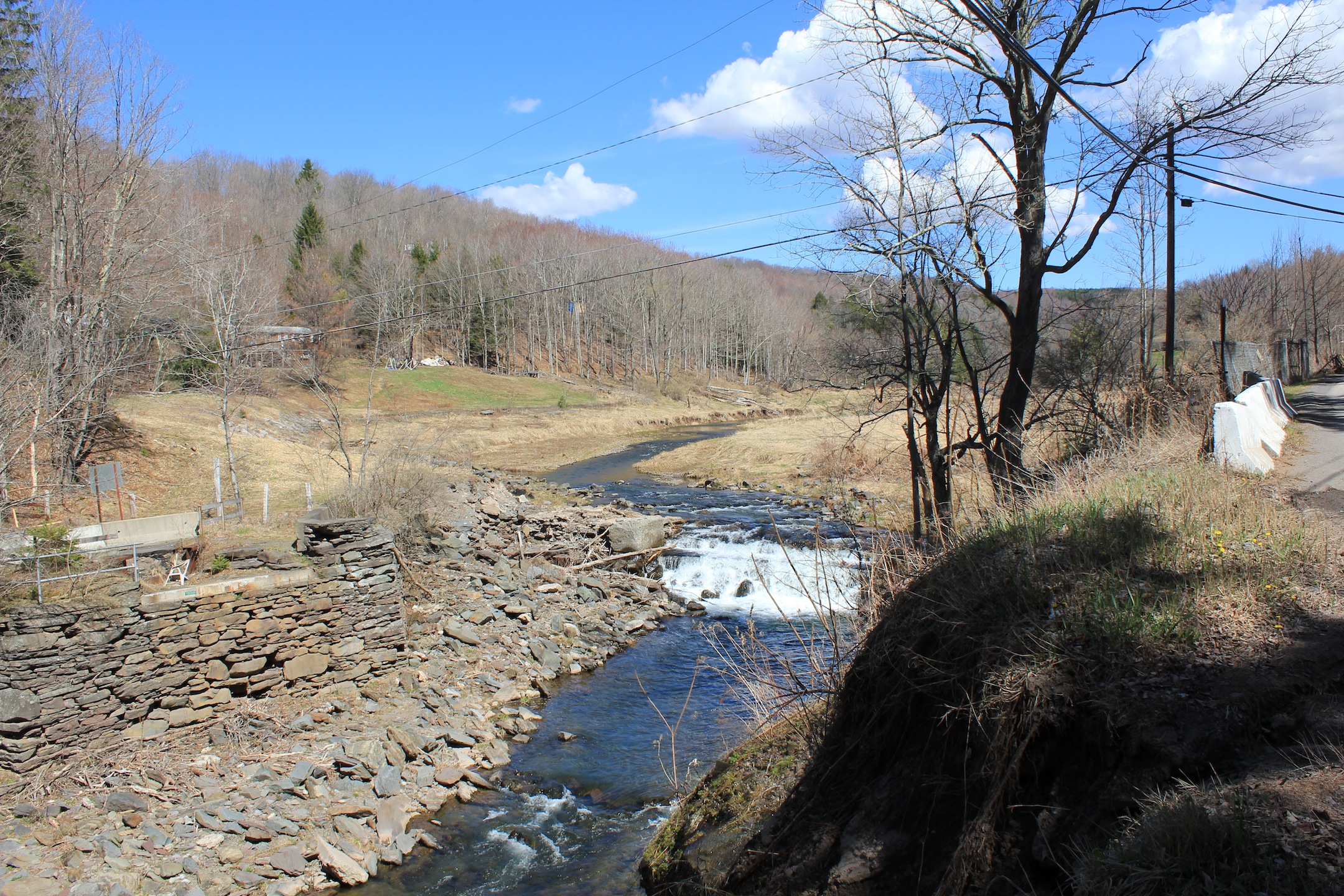
© J.N. Urbanski 4/30/15 11am
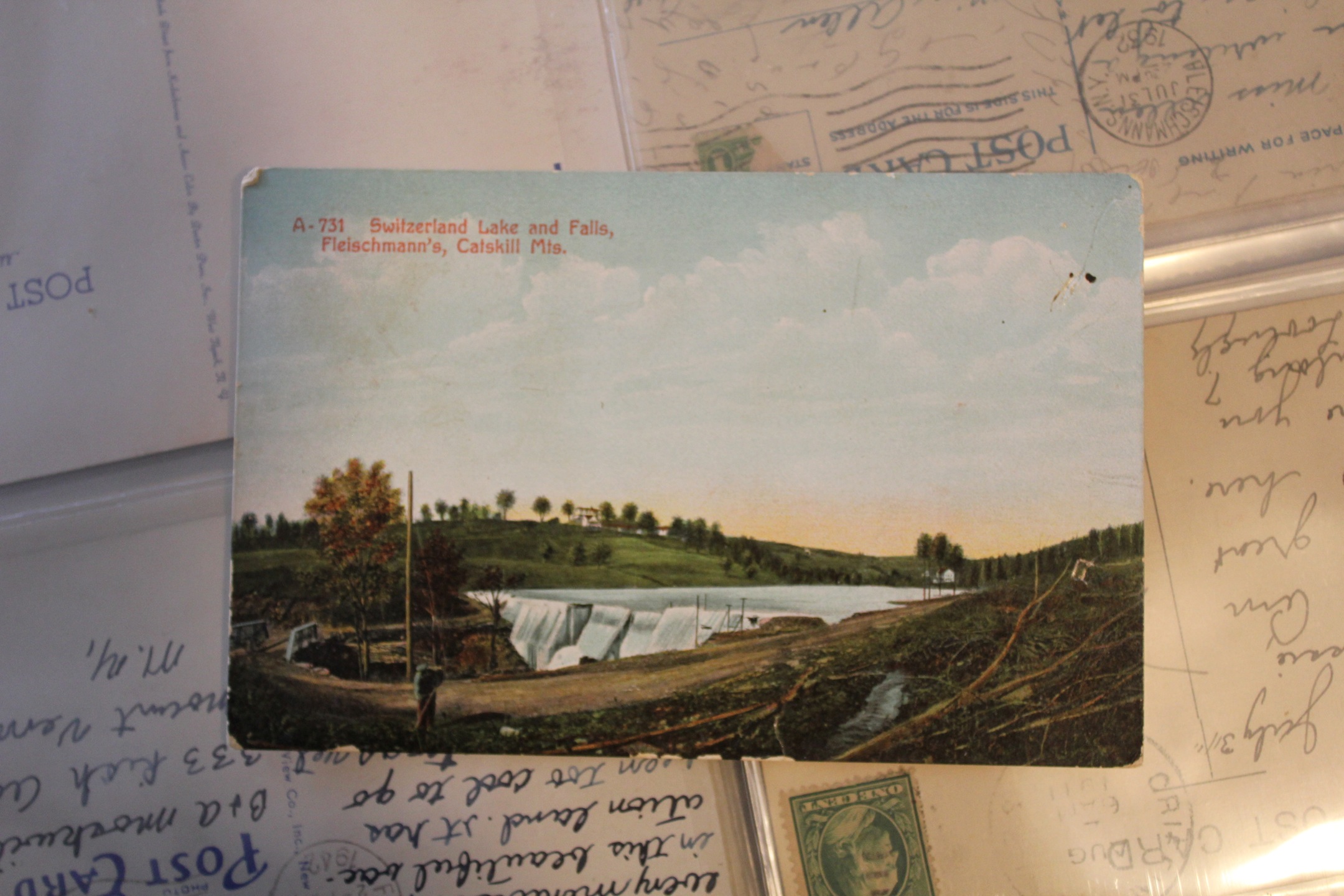
Postcard courtesy of Jeanine Pascarella
60F at 9am and sunny, with clear skies dissolving into haze over the mountains, and birdsong. An armada of scudding, cotton wool clouds and 65F by noon.
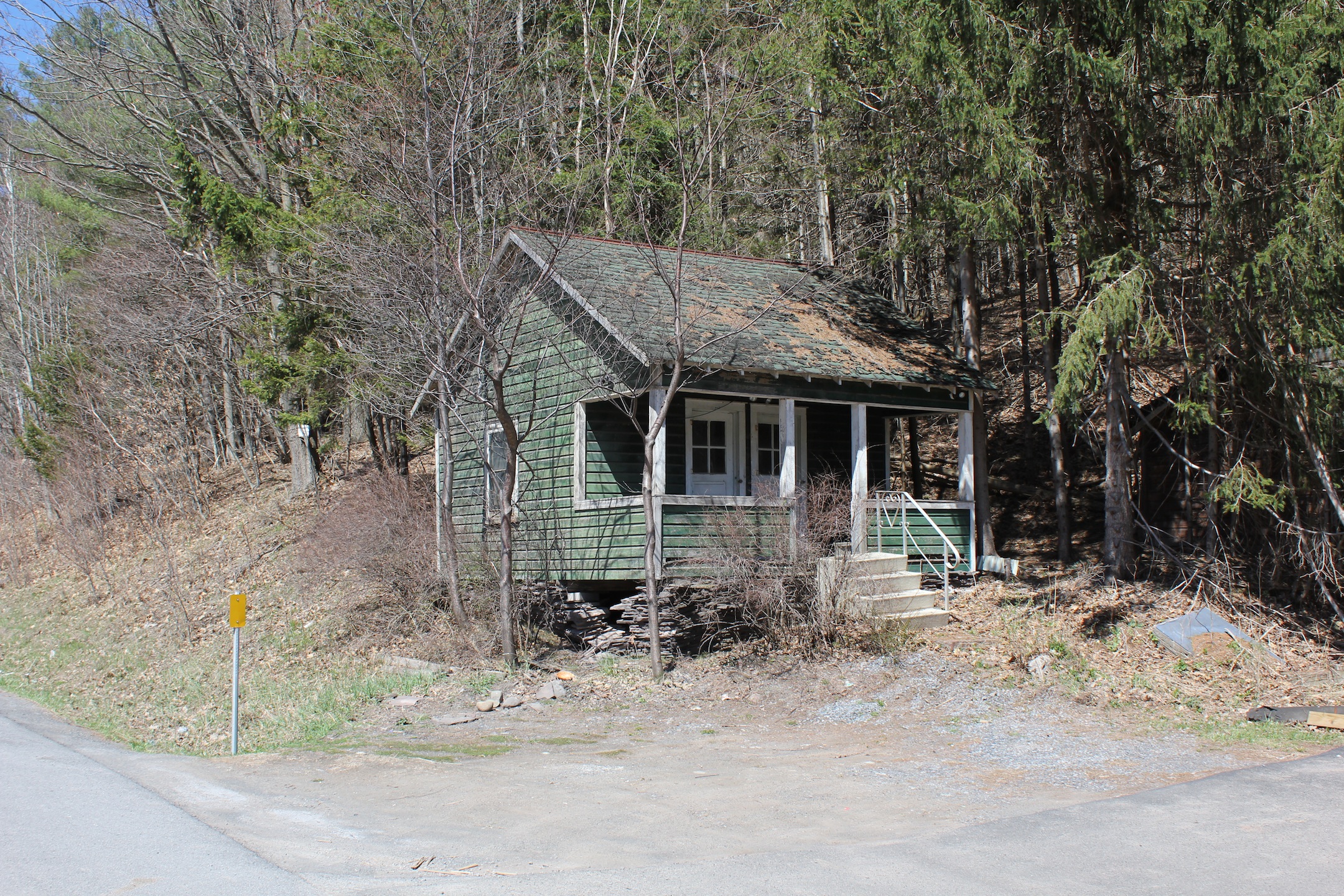
© J.N. Urbanski 11am
70F by 8.30am with clear, cloudless skies and a warm breeze.
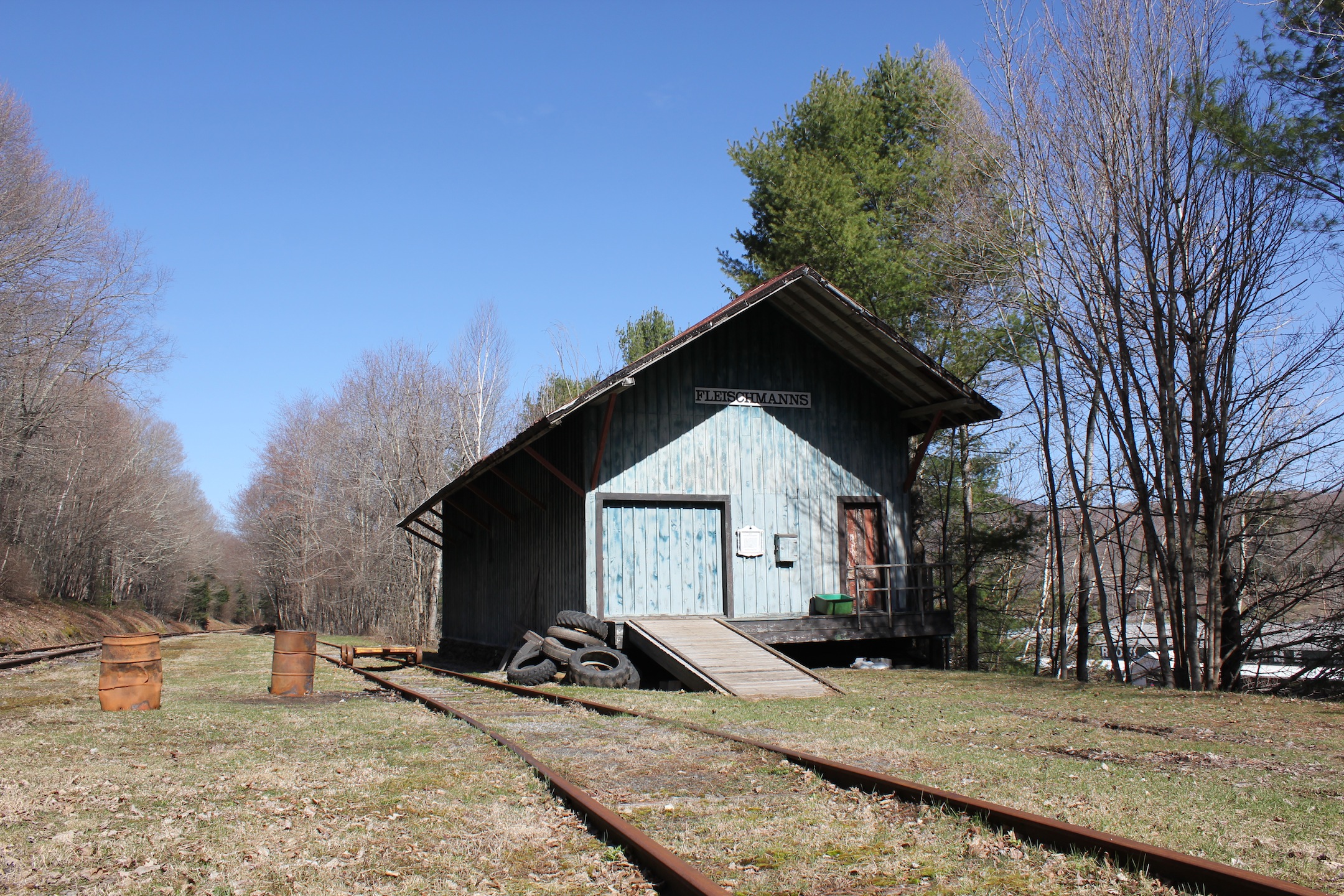
© J.N. Urbanski 9.25am
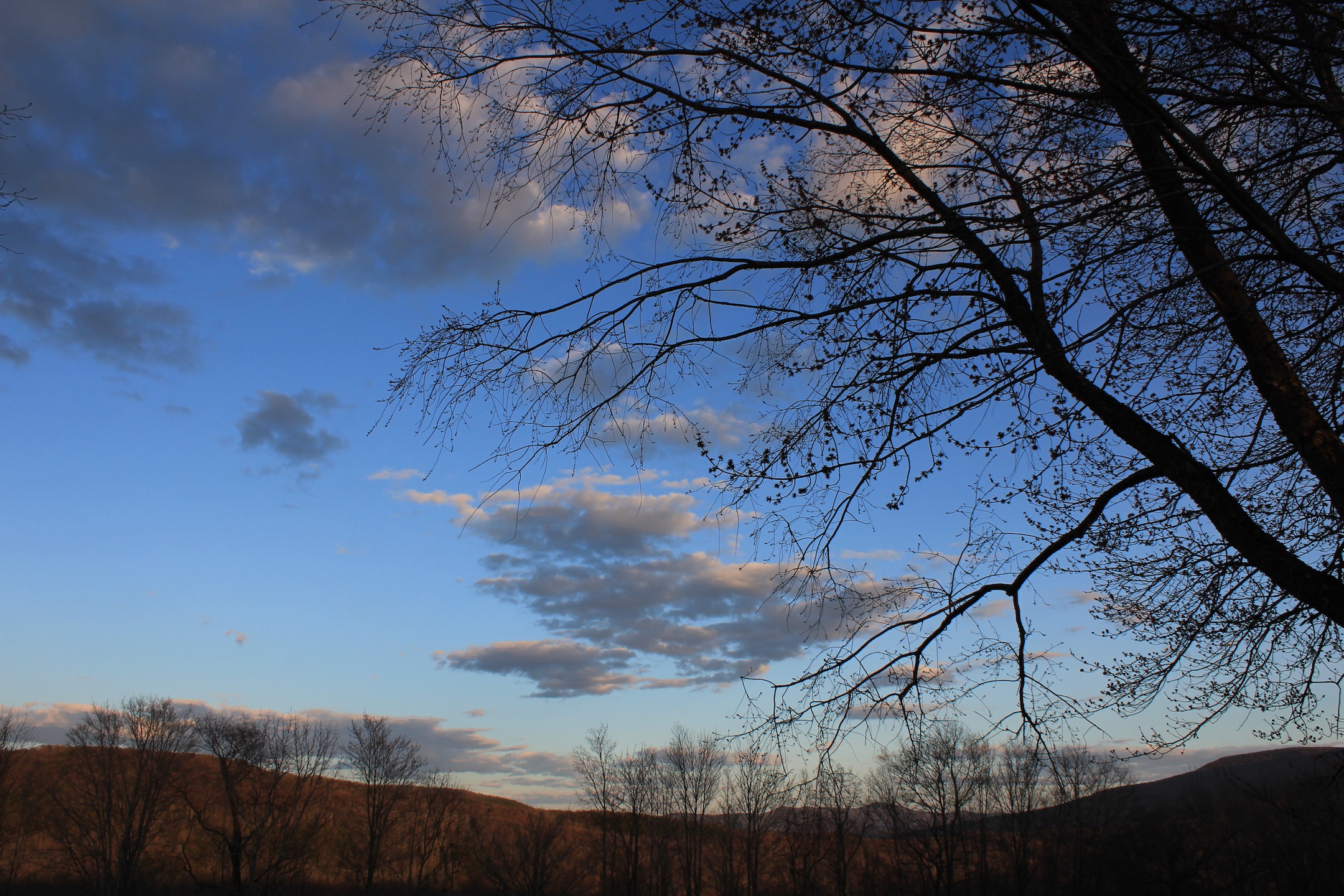
© J.N. Urbanski 7.30pm
The original station is gone, but what remains was the building behind it.

© J.N. Urbanski 4/29/15 9.15am
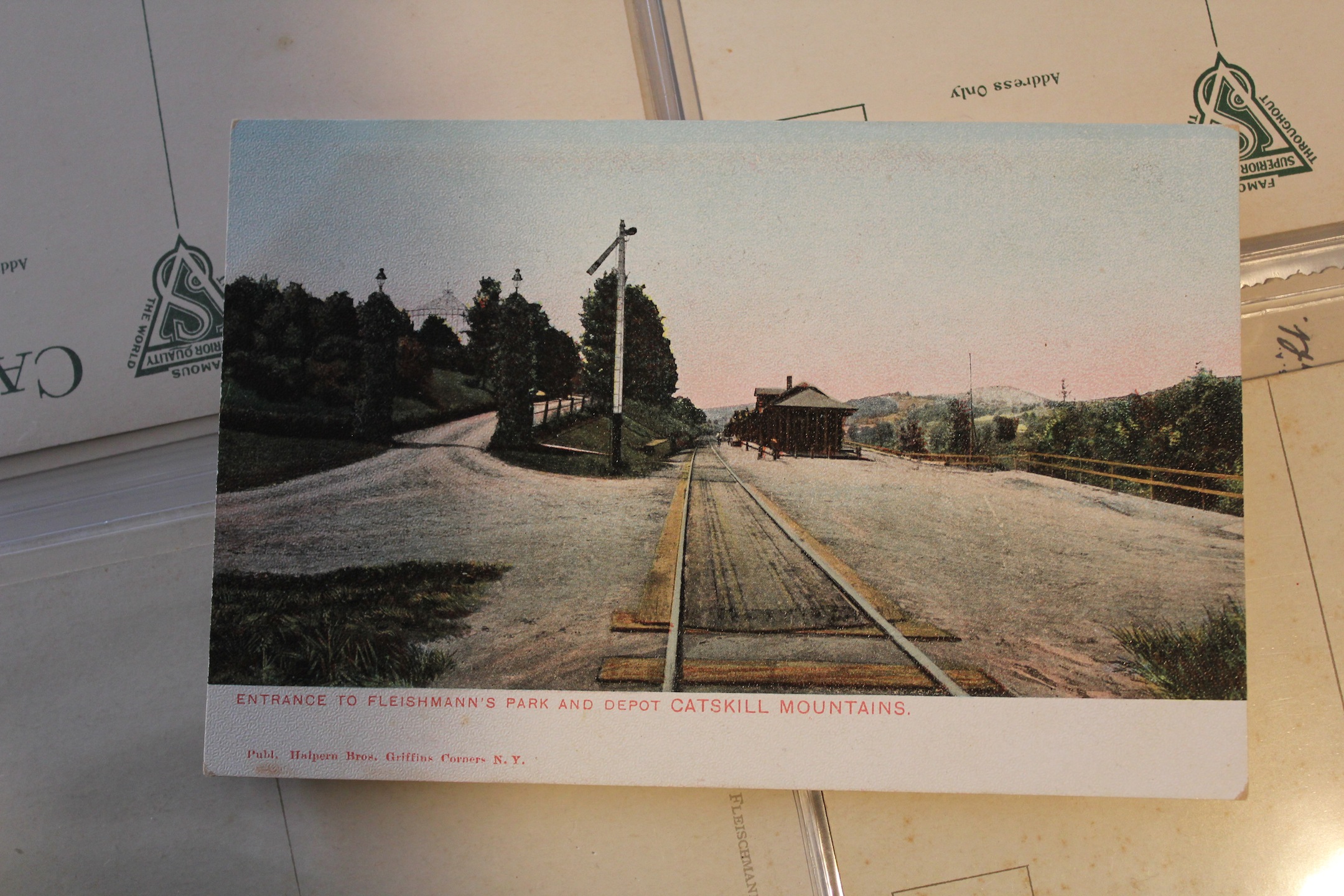
Postcard courtesy of Jeanine Pascarella
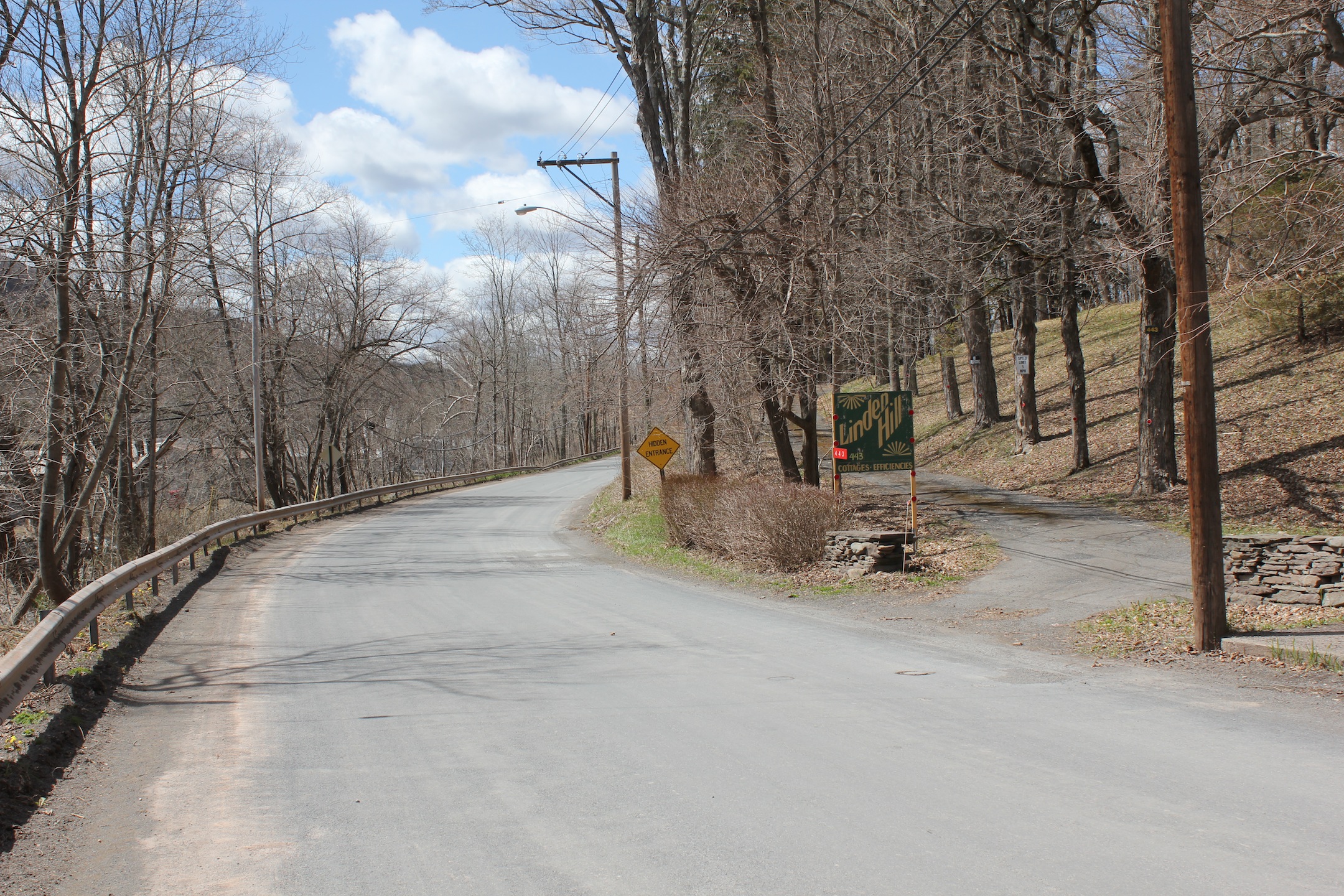
© J.N. Urbanski 4/28/15 1.30pm
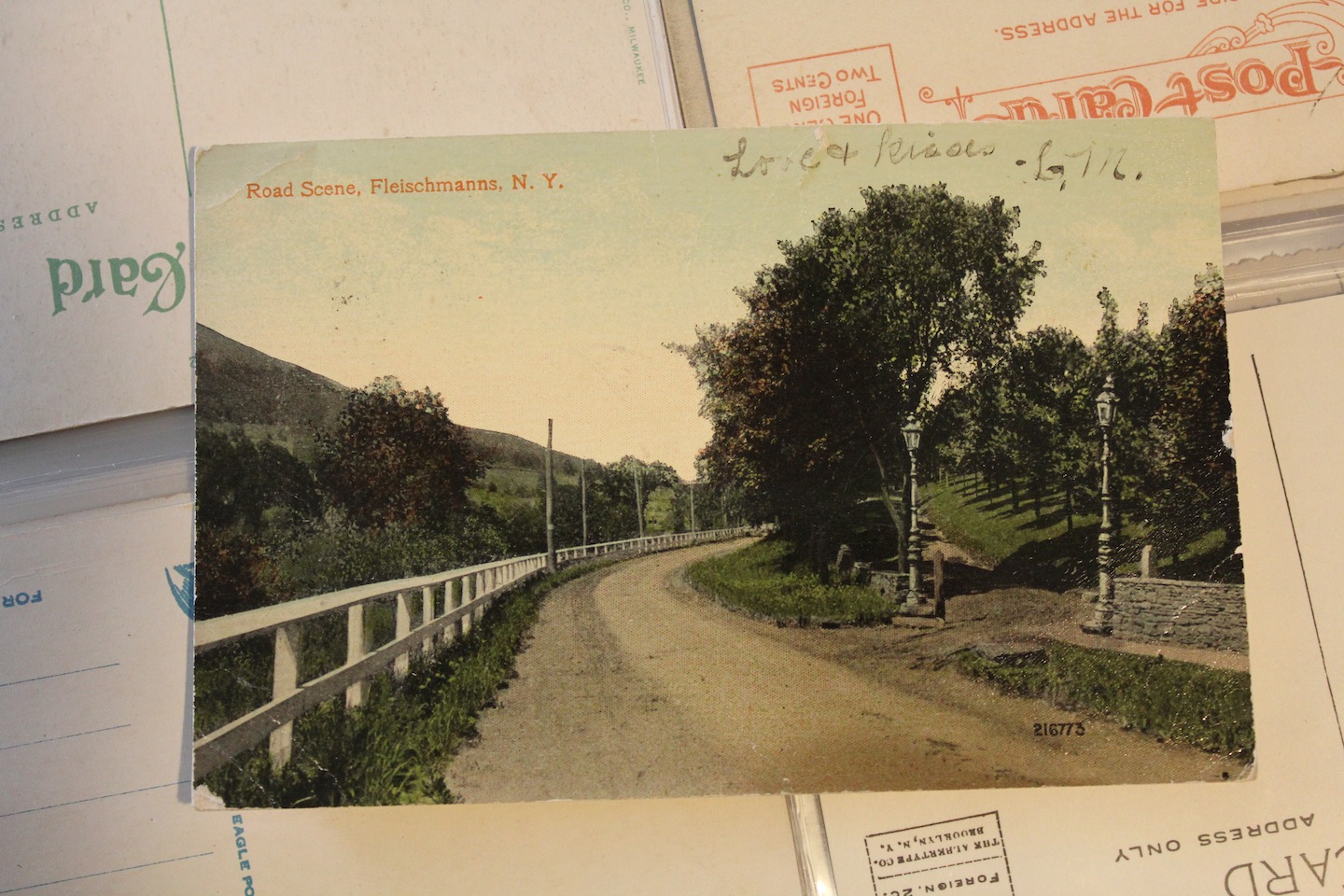
Postcard courtesy of Jeanine Pascarella
49F at 9am and sunny with clouds, rising to 60F by 2pm with light winds.
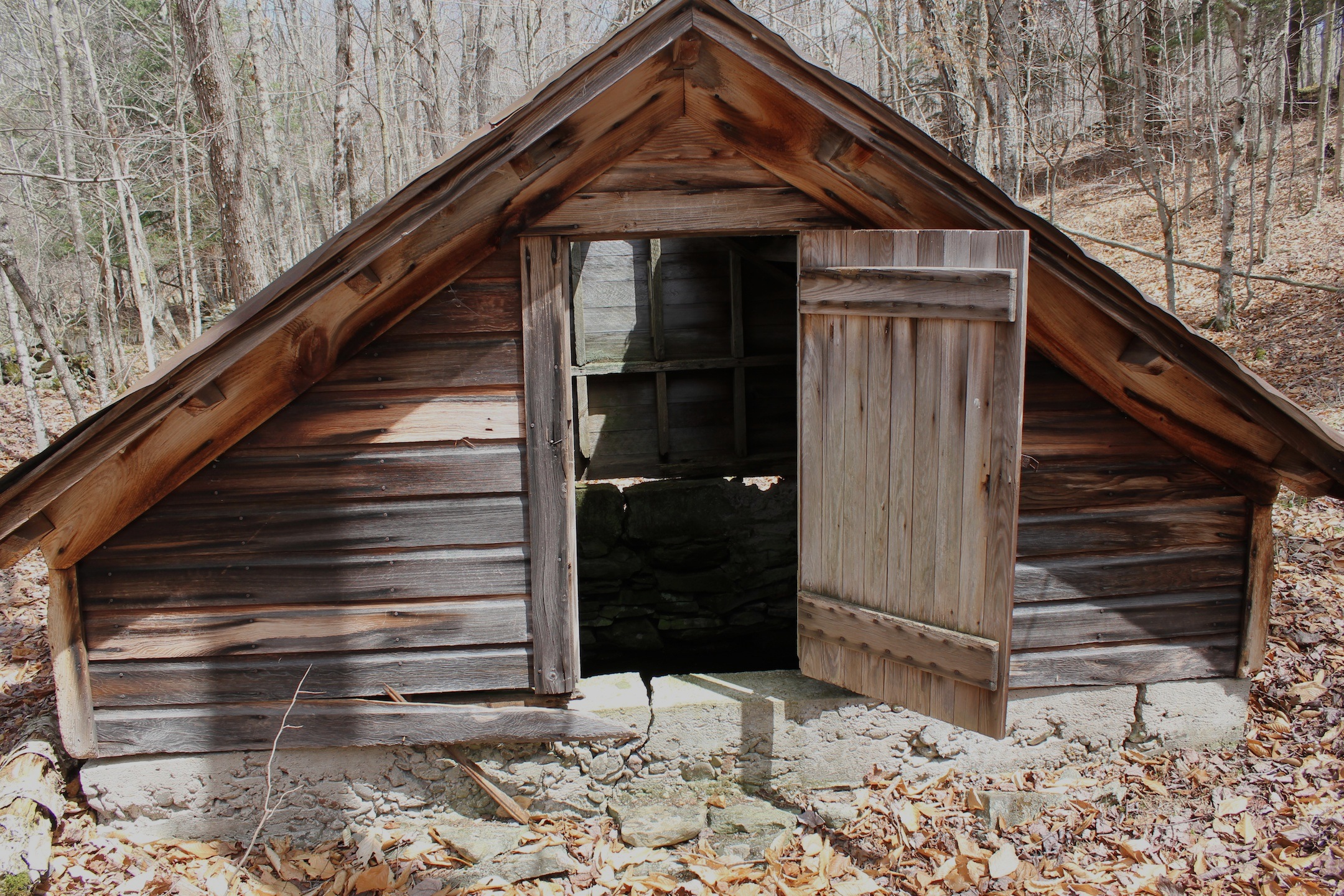
© J.N. Urbanski 12.40pm

© J.N. Urbanski 12.30pm
46F at 9am, quickly rising to 54F by 10.15am. Overcast and gloomy with rolling clouds in gunmetal grey.
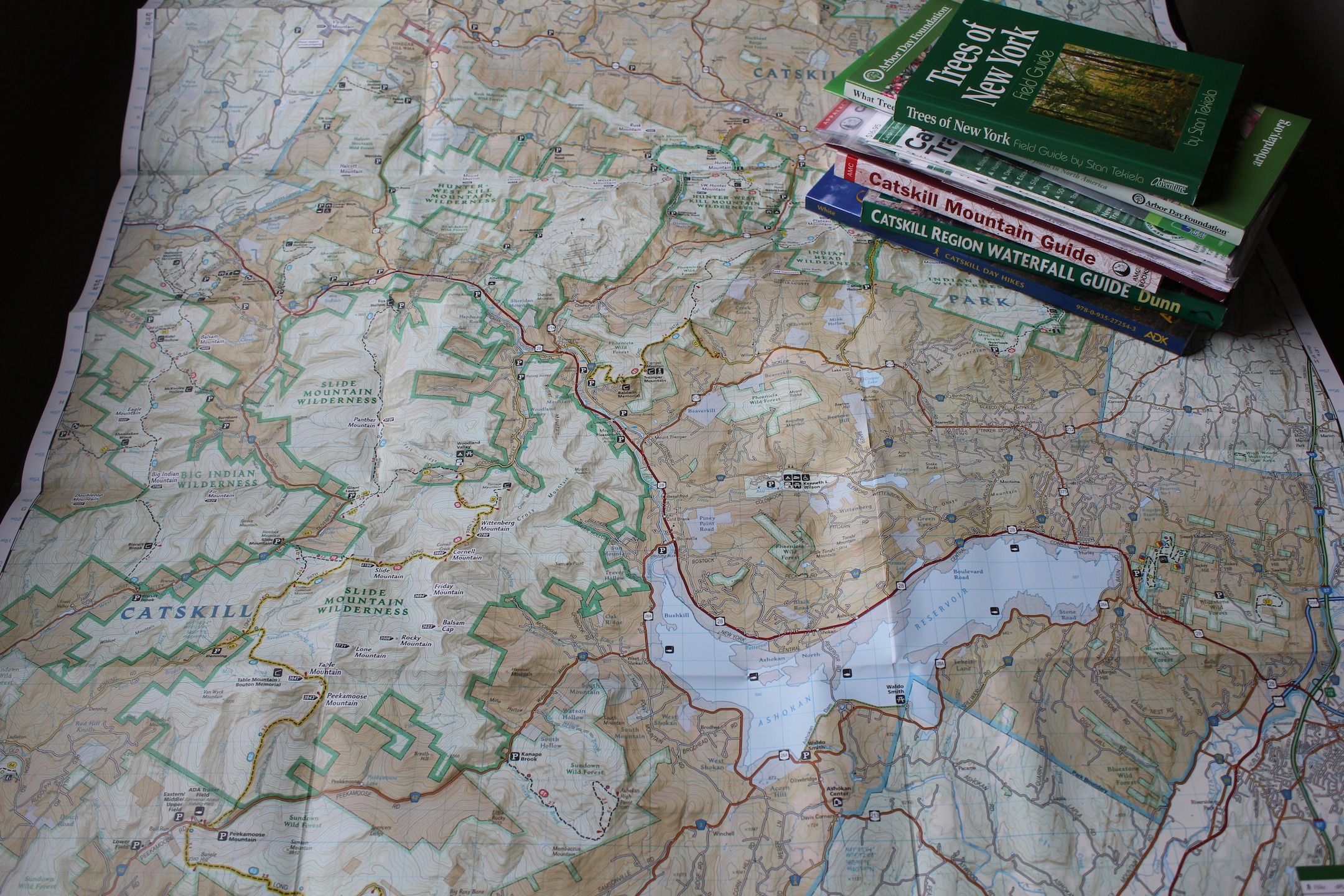
© J.N. Urbanski Noon

© J.N. Urbanski 3pm

© J.N. Urbanski
How long have you lived in the Catksills?
I moved upstate with my family in 1979 when I was nine years old and my parents were partners with my mother’s parents – my grandparents – at the Emery Brook House, that’s now the Evergreen. They ran it as a German Cuisine bed and breakfast.
Were you born here?
I was born in Huntington, Long Island.
So what made your family move to the Catskills?
Well, my grandparents had found the area. They had a boarding house in Rockaway and the area was being developed so they had to sell, or were bought out. I don’t really remember the story of how they left Rockaway, but they were looking for a German community and that’s how they wound up in Fleischmanns. There was a nice German community here and they were looking for a similar situation to what they had left: a boarding house. So when they contacted a real estate person in the area, the real estate person told them about the St Regis, which is huge and much bigger than anything they had envisaged managing, so they then found the Emery Brook and that’s where they settled.
50F at 9am. Mostly clear skies with a small armada of clouds on the horizon. 52F mid-afternoon with full cloud cover. A good sunday for a hike to Panther Mountain.
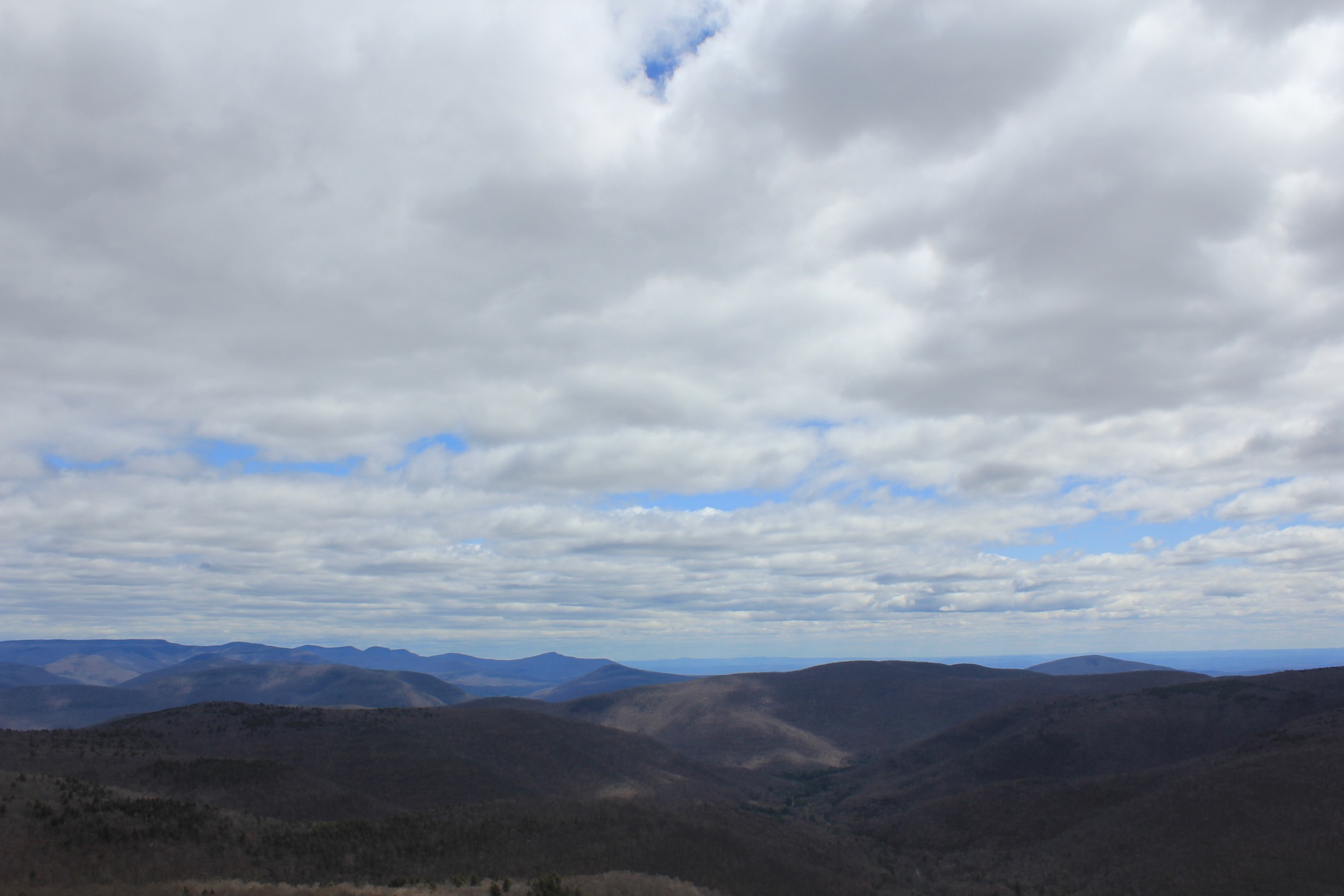
© J.N. Urbanski Noon
42F and sunny clear skies at 9am. 50F at 2pm and with an armada of cotton wool clouds. Cherry blossoms bursting.
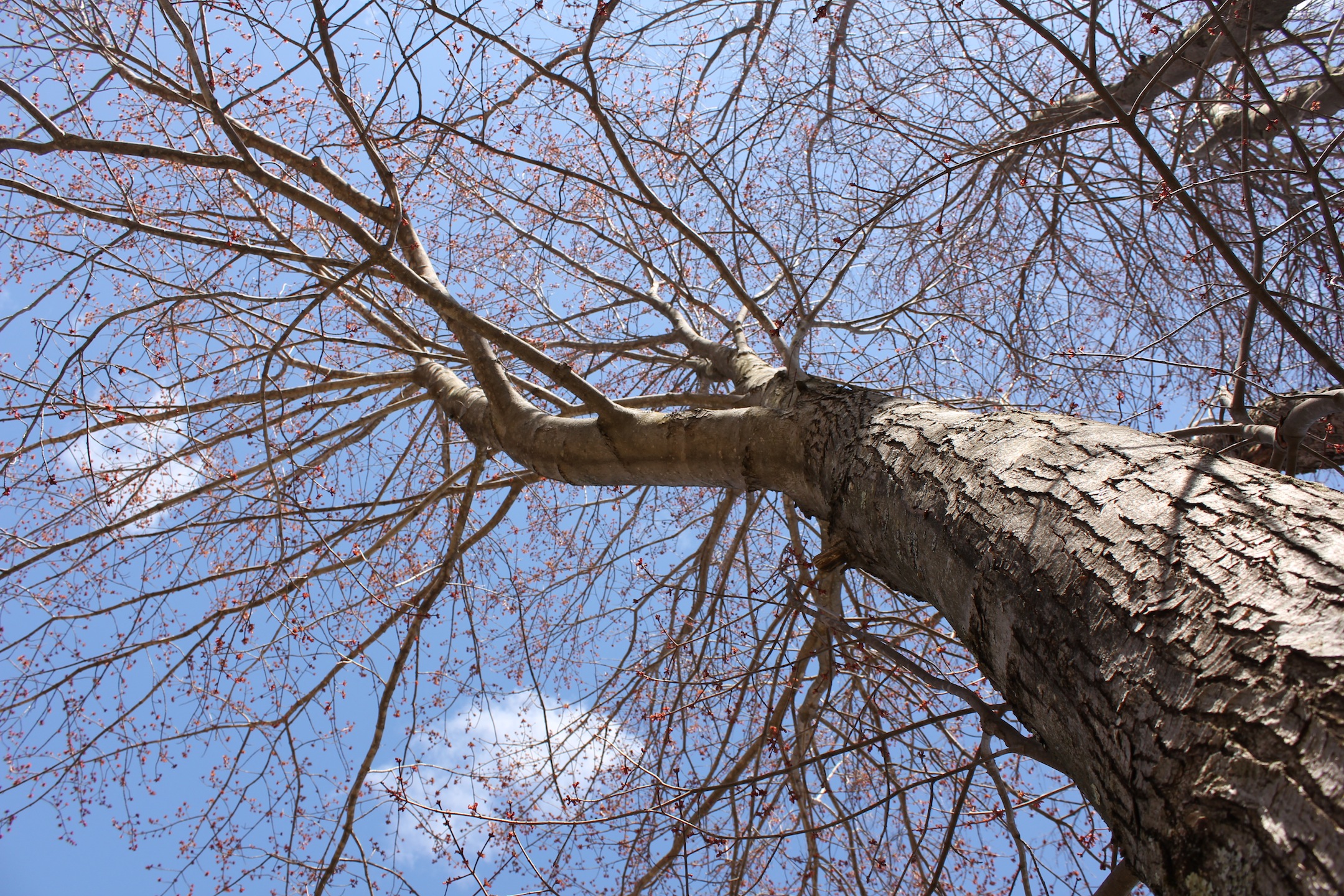
© J.N. Urbanski 2pm
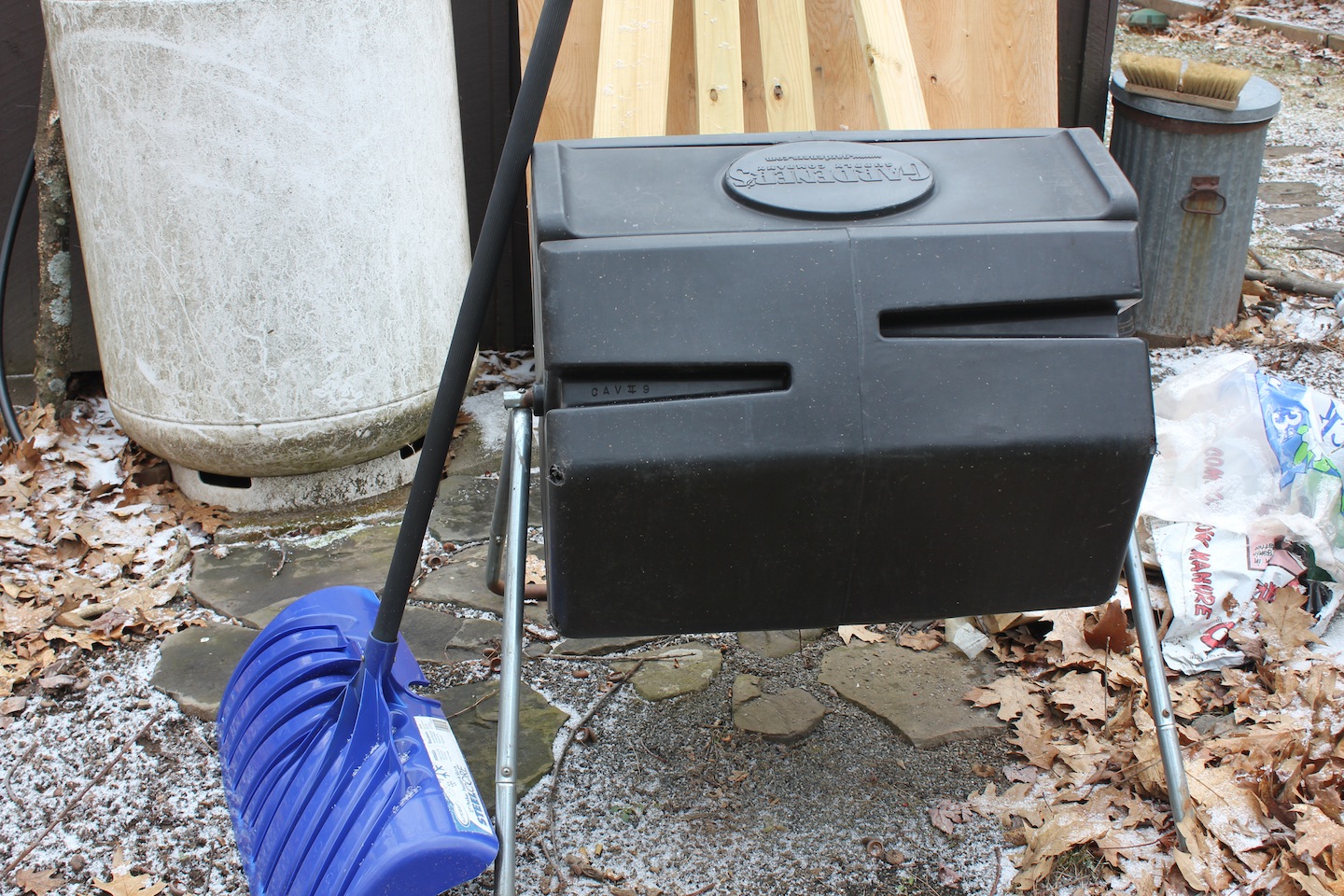
© J.N. Urbanski
If you have acreage, there’s no reason not to compost. Half of the topsoil on the planet has been lost in the last 150 years, according to the World Wildlife Fund, and it can be replenished with organic material like kitchen food scraps, peelings, dead leaves, tea bags and coffee grounds. Another astonishing statistic: the USDA reported in June 2013 that it estimates that food waste in America is 30 to 40% of the entire US food supply and it goes into landfill every year. Seattle recently made it the law to compost and, here in the Catskills you can have your food scraps taken away, but there’s no reason why you can’t just make the compost and throw it in your forest or on your garden. Nature consumes all.
28F at 8.30am with overnight snow lingering in the scantiest of flurries. Overcast and gloomy. RIP Crocus.
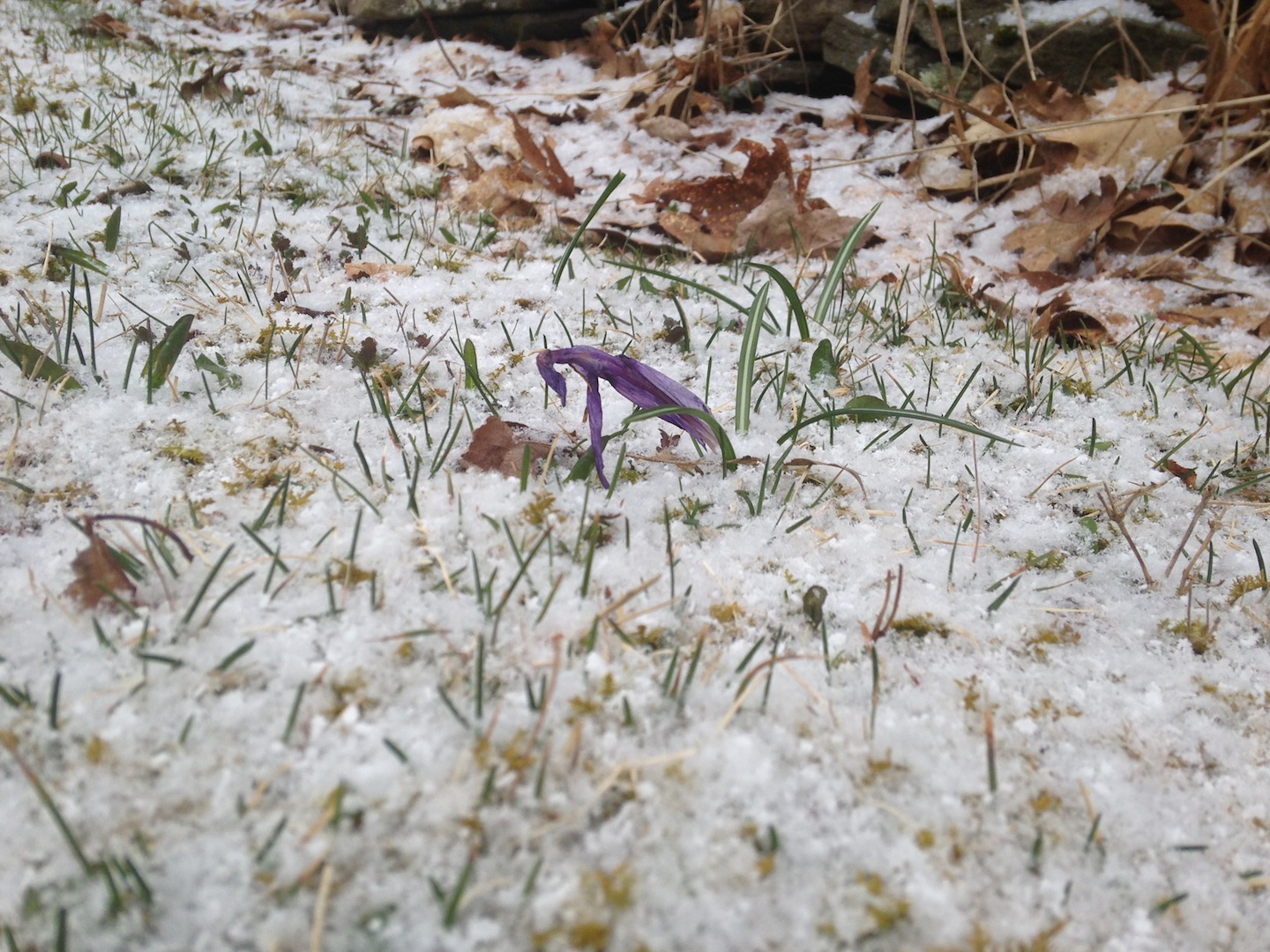
© J.N. Urbanski 9am
38F by 9am. A sprinkling of overnight snow lay dissolving into puddles. Update: Continual flurries for the rest of the day with 30F by 7pm.
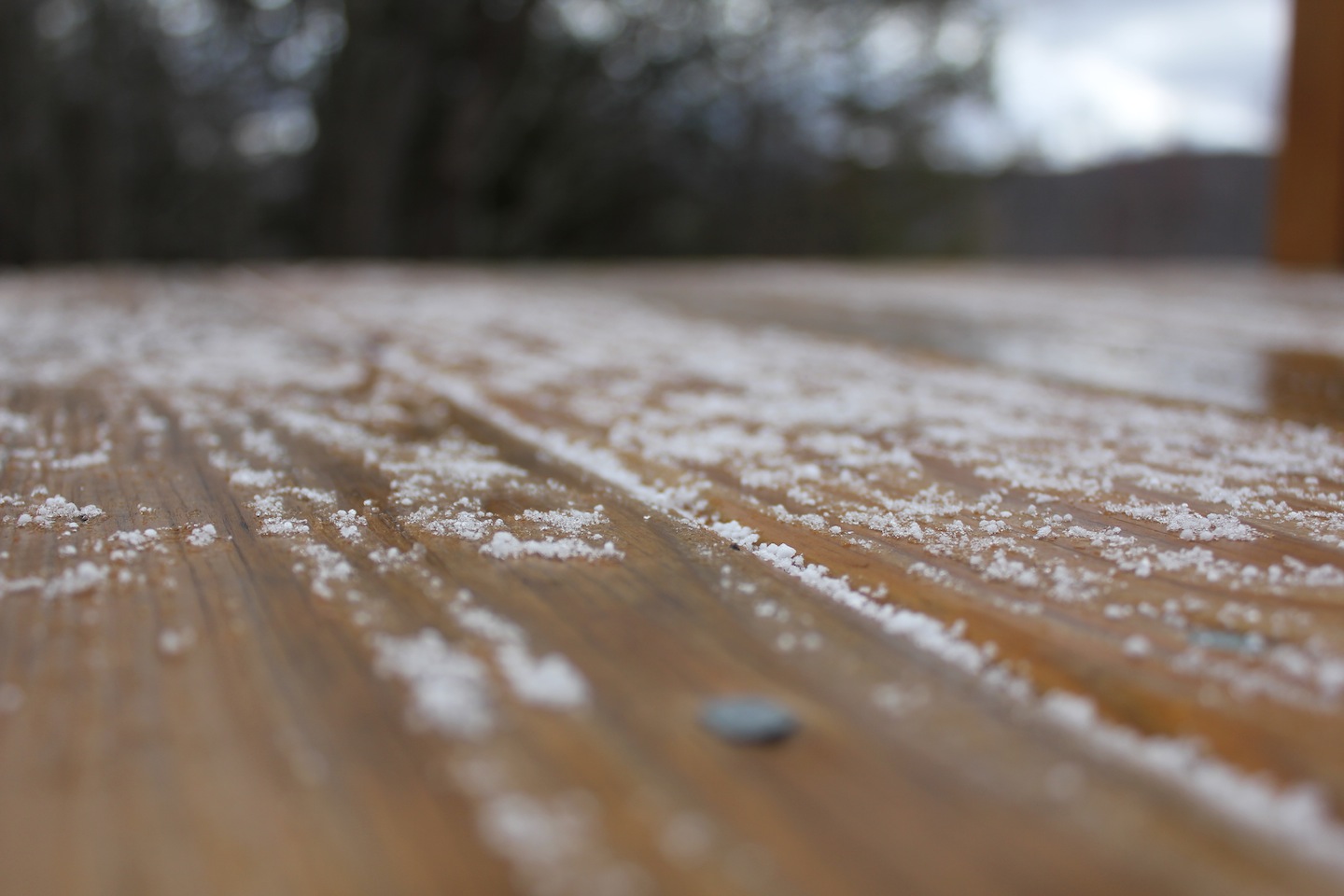
© J.N. Urbanski 9am